


China, a colossal landmass with an intricate tapestry of geographical features, is a country where climate varies drastically from one region to another. This variability is a fundamental aspect of China’s environmental narrative, influencing agriculture, biodiversity, and the lives of millions. From the parched dunes of the Gobi Desert to the towering, snow-capped Himalayan peaks, the extremes of climate paint a vivid picture of life in this multifaceted nation. Understanding these regions is critical for comprehending the broader implications of climate on human activity and ecological stability.
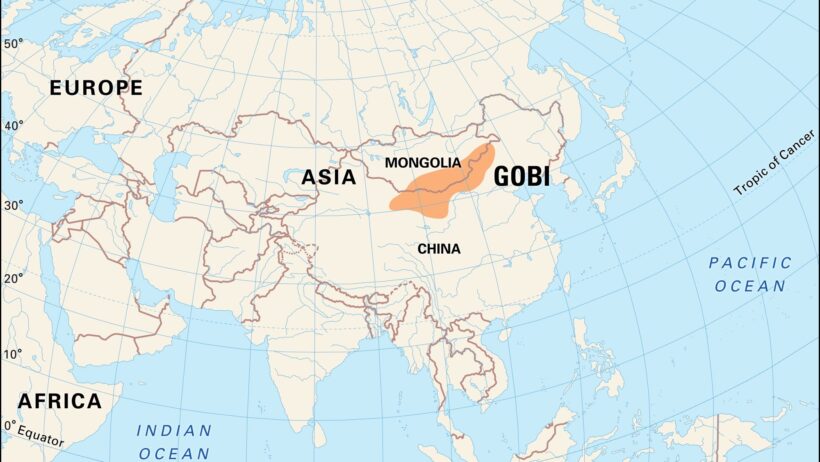
The Gobi Desert epitomizes the harsh realities of arid climates. Stretching across northern China and into Mongolia, this vast expanse is characterized by its stark landscapes and extreme temperature fluctuations. Summers can scorch the earth with temperatures soaring above 40 degrees Celsius, while winters can plunge to as low as -40 degrees. Such climatic extremes impose a significant challenge not only for the flora and fauna that inhabit this unforgiving terrain but also for the nomadic tribes and their livestock who call it home.
Contrary to popular belief, deserts are not devoid of life. The Gobi is an ecological marvel, home to a myriad of species such as the Bactrian camel and the snow leopard, both of which have adapted to the unforgiving climate. However, climate change looms ominously over this fragile ecosystem. The increasing temperatures and changing precipitation patterns threaten the delicate balance that sustains this habitat. Thus, the Gobi Desert is not merely a backdrop; it is a microcosm of climate change’s potential effects on biodiversity.
Moving southward, one encounters the diverse climates of Central China, where the Yangtze River basin offers a temperate climate conducive to agriculture. The fertile land supports an abundance of crops and is often regarded as the “rice bowl” of the country. This region’s climate is characterized by a humid subtropical environment, experiencing significant rainfall during the summer months. Yet, this abundance has its challenges. The ongoing industrialization and urban sprawl have led to severe environmental degradation, pollution, and water shortages. A paradox emerges: the wealth generated from agriculture and industry comes at the cost of ecological integrity.
The southeastern coastal areas of China contrast sharply with the arid Gobi. Regions like Guangdong and Fujian present a humid subtropical climate, bordered by lush vegetation and bustling urban centers. Tropical storms and typhoons are frequent during the monsoon season, bringing with them not only destructive winds but also a redistribution of moisture that sustains the flora. These coastal areas serve as a reminder of nature’s duality—while they are lush and fertile, they are also susceptible to the devastating impacts of climate change, rising sea levels, and increased storm intensity.
Further inland, the high plateaus of Tibet introduce yet another climatic spectacle. The Tibetan Plateau, often dubbed ‘the Roof of the World’, is the highest and largest plateau globally, witnessing sub-zero temperatures year-round. This unique climate is characterized by thin air and extreme solar radiation, creating an environment suitable for few but fiercely resilient species such as the Tibetan antelope. However, the region is not immune to climate change; glacial retreat in the Himalayas jeopardizes the freshwater supply for millions downstream, illustrating how interlinked these climatic regions are.
As one ascends to the Himalayas, there lies a jagged spine of peaks that influence not just local but regional climatic patterns across Asia. These mountains create a barrier that traps monsoon winds, causing heavy precipitation on the southern slopes while casting shadows of rain in the northern regions. This climatic dichotomy shapes diverse ecosystems, from dense subtropical forests at lower elevations to barren, icy wastelands at the summit. The Himalayan climate presents another facet of the complex web of interactions between human activities and environmental changes, where glacial melting due to rising temperatures threatens livelihoods and biodiversity.
Thus, the examination of China’s climate by region reveals not merely a simple geographic study, but a profound narrative about humanity’s relationship with the environment. The contrasts—between the Gobi and the fertile banks of the Yangtze, the tropical storms of the southeast, and the icy heights of the Himalayas—stress the interdependencies cultivated over millennia. They also underline the fragile balance that exists in these ecosystems, reinforced by historical and modern human activities.
In conclusion, grasping the nuances of China’s regional climates invites a broader discourse on environmental stewardship. Each region contains its peculiar challenges, yet they are all bound by common threads of environmental change. The stories bound within these contrasting climates compel us to rediscover our relationship with nature, reminding us of the need for responsible action in safeguarding the ecological landscapes that sustain life. The myriad ecological narratives originating from the Gobi through the Himalayan peaks enrich our understanding of climate and its future, underscoring the urgency of fostering a sustainable relationship with our planet.