
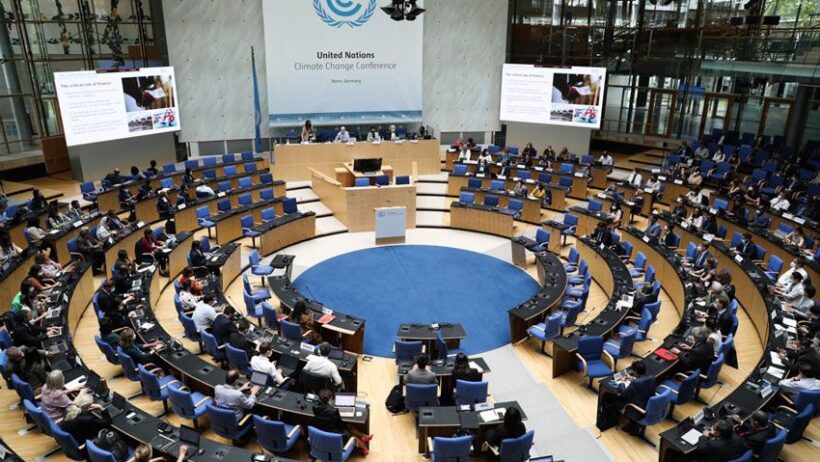

Climate change poses one of the most formidable challenges of our time, affecting ecosystems, economies, and communities across the globe. The Climate Change Conference held in Bonn, Germany, brought together representatives from various nations, organizations, and activists, all eager to forge sustainable pathways to combat this pressing crisis. But what was decided within those conference walls? Does the continuation of these debates signify progress, or are we just going in circles? As we dissect the outcomes of this significant event, we must also confront the lingering question: Are we truly ready to implement the ambitious agreements devised at such conferences?
This conference, convened as part of the United Nations Framework Convention on Climate Change (UNFCCC), was not merely a ceremonial gathering; it sought to address urgent matters that require immediate and concerted action. Each session was punctuated by impassioned speeches, technical discussions, and a palpable sense of urgency. Delegates deliberated over adaptation measures, climate finance, and the pivotal role of technology in mitigating climate impacts.
One of the salient features of this conference was its emphasis on climate financing. Delegates debated fervently over the $100 billion pledge made by developed nations to support developing countries in their climate mitigation and adaptation efforts. The issue of accountability and transparency emerged as critical topics. As mere signatures on a piece of paper do not translate to actionable change, how can these funds be managed effectively to ensure they reach those who need them most? This situation requires innovative approaches to bolster financial mechanisms and engender trust among nations.
Another focal point of the conference was the discussions surrounding Nationally Determined Contributions (NDCs)—the climate action plans that countries submit to outline their pledges for reducing greenhouse gas emissions. Participants scrutinized the inadequacy of existing NDCs in meeting the Paris Agreement’s temperature goal of limiting global warming to 1.5 degrees Celsius above pre-industrial levels. Several nations were urged to enhance their commitments, especially as many existing targets do not align with the scientifically recommended thresholds. This raises an essential question: What actual measures will nations take to transition from rhetoric to reality? Without concrete action, ambitious targets are little more than empty aspirations.
The integration of technology in addressing climate change also found a significant place on the Bonn agenda. Discussions highlighted the potential of innovative technologies—renewable energy advancements, carbon capture usage, and storage solutions—as key tools in the battle against climate change. However, a challenge remains: the equitable distribution of these technologies to ensure developing countries can access and implement them effectively. Will developed countries step up their support, or will this technology divide exacerbate existing inequalities?
Moreover, the role of civil society and grassroots movements garnered attention during the conference. Activists and representatives from indigenous communities emphasized the importance of local knowledge and community engagement in climate decision-making processes. Their narratives underscored a critical perspective often overlooked in high-level discussions: the human impact of climate change is profound and multifaceted, affecting not just numbers and statistics but the very fabric of social structures. How can policymakers ensure that such voices are not only heard but integrated into actionable strategies?
Women and marginalized communities were highlighted as pivotal players in climate action. As global experiences have demonstrated, communities closer to the earth often possess valuable insights and strategies for resilience. Addressing gender disparities and empowering these groups in decision-making processes could enrich efforts in climate adaptation and mitigation. But, therein lies a challenge—will inclusive dialogues be prioritized over political posturing? A truly equitable approach is necessary to galvanize collective action.
The climate conference also underscored the significance of current climate impacts and the need to enhance resilience and adaptation strategies globally. Flooding, wildfires, heatwaves, and other climate-induced phenomena are no longer future threats; they are present-day realities. Developing comprehensive adaptation plans that emphasize flexibility and resilience must become paramount. This real-time urgency begs the question—are countries equipped to handle the immediate crises they currently face, or is there an inherent complacency that needs to be addressed?
In examining the decisions and discussions at the Bonn Climate Change Conference, it becomes clear that the tasks ahead are daunting yet imperative. The path forward requires unwavering commitment from nations, corporations, and civil society alike. It also calls for the cultivation of international solidarity and collaboration, transcending borders and vested interests. The conference was a reminder that every day is crucial in the fight against climate change, and inaction is not an option that can be afforded.
Ultimately, the Bonn Conference served as a crucial checkpoint in our ongoing climate journey. It was not merely about what was decided, but about igniting a fervor for consistent action and meaningful change. As we ponder the outcomes of this event, we must confront an inevitable challenge: Will we rise to the occasion and transform dialogues into durable solutions, or will we remain mired in a cycle of discussion without genuine progress? The stakes could not be higher; the planet’s future hinges on our responses today. The question looms large—are we ready to take on that challenge?