
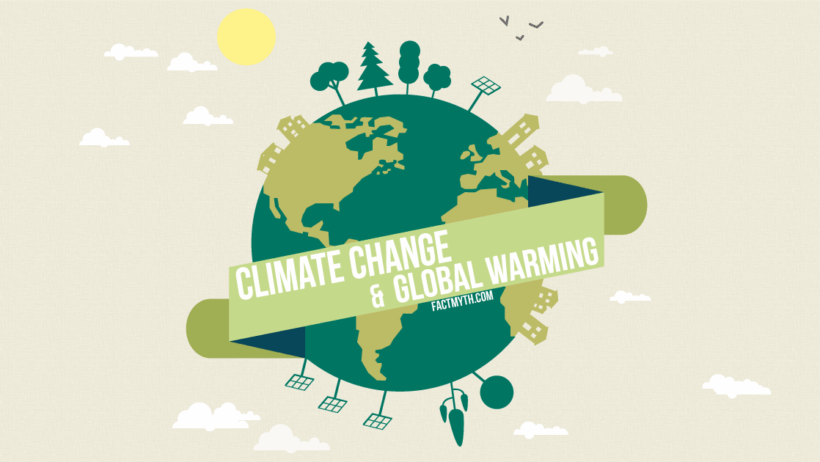

Climate Change vs. Global Warming: What’s the Real Difference?
When most people hear terms like “climate change” and “global warming,” they often use them interchangeably. However, understanding the real distinction between these two concepts is crucial for grasping the current environmental crisis. In a world increasingly beset by shifting weather patterns, extreme weather events, and rising sea levels, scrutinizing these terms can illuminate the complexities of our planet’s climate system. So, let’s pose a playful question: Is climate change merely global warming in disguise, or do they inhabit distinctly different realms? Let’s embark on a little exploration to unravel this entangled web.
To decipher the difference, it’s pivotal to first define the terms.
Global Warming
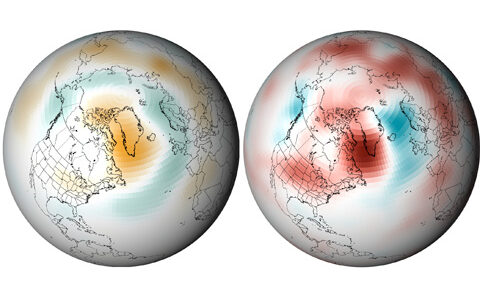
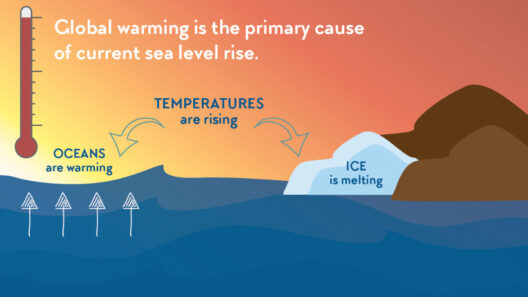
Global warming refers explicitly to the long-term increase in Earth’s average surface temperature due to human activities, predominantly the burning of fossil fuels like coal, oil, and natural gas. This combustion releases greenhouse gases (GHGs) into the atmosphere, primarily carbon dioxide (CO2), methane (CH4), and nitrous oxide (N2O). These gases act like a blanket, trapping heat and causing the planet’s temperature to rise. The consequences are alarming: melting ice caps, rising ocean levels, and disrupted weather patterns.
In its elemental simplicity, global warming zeroes in on temperature rise. However, this rise in temperature is not an isolated event; it spirals into far-reaching ramifications that extend the concept into a more complex issue—climate change.
Climate Change
Climate change encompasses a broader spectrum of changes resulting from both natural and anthropogenic (human-induced) factors. While global warming contributes to changes in climate, it is not synonymous with it. Climate change includes alterations in precipitation patterns, increased frequency of extreme weather events like hurricanes and droughts, and shifts in ecosystems and biodiversity. It captures the intricacies of how global warming is interlinked with a multitude of variables, from ocean currents and atmospheric pressure systems to the phonological responses of flora and fauna.
In essence, while global warming is an integral part of climate change, the latter reflects a larger and more complex phenomenon. The critical challenge, then, lies in addressing climate change as a multifaceted issue rather than solely an increase in temperature.
Exploring the Implications
What are the implications of these differences? Acknowledging that global warming is just one facet of climate change shifts the narrative towards more comprehensive environmental action. For instance, while reducing CO2 emissions may combat global warming, addressing climate change requires a holistic approach. This includes conserving water, protecting biodiversity, and fostering sustainable agricultural practices.
Human Impact
Human activities have accelerated both global warming and climate change. Urbanization, deforestation, and industrial practices contribute significantly to the release of greenhouse gases. What starts as a slight increase in temperature cascades into a multitude of issues – loss of arctic ice, acidification of oceans, and a surge in natural disasters. Each of these phenomena connects back to the broader narrative of climate change.
Nevertheless, there is hope. The global community now recognizes the immense threat posed by climate change. International agreements such as the Paris Agreement aim to mitigate these effects by uniting countries in the mission to limit global temperature rise and reduce greenhouse gas emissions. This collaborative effort signifies a vital step toward understanding that addressing climate change in all its complexities is an urgent necessity.
Challenges Ahead
Public Perception and Misinformation
Moreover, misinformation surrounding climate change and global warming complicates matters further. A prevalent myth is that climate change is just a natural cycle that has been occurring for millennia. While climate has naturally fluctuated over geological time, the unprecedented rate of change we’re witnessing today largely stems from human influence. It is imperative that educational initiatives demystify these concepts and clarify the nuances of climate change and global warming.
Individual and Collective Action
The dichotomy between these concepts also highlights the role of individual versus collective action. Individuals often feel disconnected from the larger picture, thinking their actions are inconsequential. However, collective action at the grassroots level can induce significant change. From boycotting companies that engage in environmentally harmful practices to advocating for governmental policy reform, each action accumulates momentum in the fight against climate-related issues.
Conclusion
In conclusion, understanding the difference between climate change and global warming is not merely an academic exercise; it is a vital aspect of combating one of the most pressing issues of our time. Global warming, as an aspect of climate change, signifies the warming of our planet due to human impact, while climate change encapsulates a broader array of alterations in our environmental systems. Recognizing the complexities of these concepts can fuel informed discussions, spur critical actions, and galvanize global efforts toward sustainability. As you reflect on these ideas, consider the question: How can your daily actions contribute to the larger movement against climate change? The answer may be as simple as understanding the choices we make and their ripple effects on our planet. The time for action is now.