
The debate surrounding climate change and global warming is often fraught with confusion, yet grasping the distinction between the two is crucial for understanding the environmental challenges that face our planet. To unravel this complex issue, we must first embark on a metaphorical journey: envision the Earth as a grand, old library, where every book represents a different facet of our planet’s climatic phenomena. Among these tomes, two stand out in stark contrast—’Global Warming’ and ‘Climate Change.’ Each tome, while related, contains unique narratives that shape our understanding of the evolving ecological landscape.
Global Warming: The Heat of the Moment
Global warming is akin to an intense chapter in our library’s collection, focusing primarily on the steady increase in Earth’s average surface temperature due to the rising concentrations of greenhouse gases in the atmosphere. These gases—carbon dioxide, methane, and nitrous oxide, to name a few—act as a thickening blanket around the planet, trapping heat and contributing to a gradual warming trend akin to leaving a window open in a snowstorm. This focus on temperature rise is critical, as it serves as a primary indicator of human-induced climate changes.
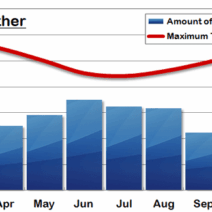
But why does this matter? One must consider the far-reaching implications of global warming. Beyond making our summers swelter, it accelerates glacial melt, raises sea levels, and disrupts ecosystems. The polar ice caps, once majestic sentinels of cold, are diminished, sending ripples of impact through oceanic currents and weather systems. The temperature readings that we often hear in the news are merely the prologue to a much larger narrative.
Climate Change: The Long Narrative
In stark contrast to the specific chapter of global warming, climate change embodies a sweeping narrative that encompasses a broader range of alterations in weather patterns and environmental conditions. It includes changes in precipitation patterns, shifts in wind, and alterations in seasonal cycles. While global warming is an essential subset of climate change, it does not encapsulate the entire anthology.
Climate change represents the repository of the myriad effects that our planet experiences as a consequence of global warming, including extreme weather events such as hurricanes, droughts, and floods. Picture, if you will, an orchestra; global warming provides the steady beat of the drum, while climate change incorporates the entire symphony—the rise and fall of violins, the crash of cymbals, and the resonating tones of cellos all converge to create a complex soundscape. This greater ensemble offers a comprehensive understanding of what is transpiring on a global scale.
Causes: The Architects of Change
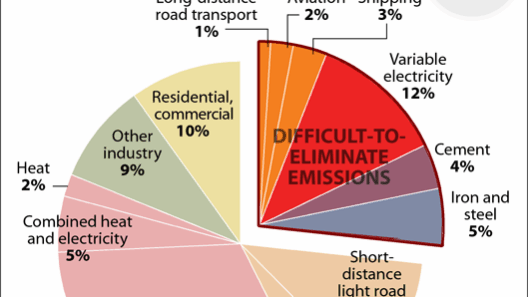
The forces propelling global warming and climate change can be traced back to human activities. Industrialization, deforestation, and the burning of fossil fuels have accelerated the release of greenhouse gases into the atmosphere, fueling the warming trend. The repercussions of such actions are manifold. Consider the metaphor of a traveler gathering bricks along a journey; each brick symbolizes a carbon footprint laid down by our daily choices: driving cars, heating homes, or purchasing products produced with environmental disregard. Collectively, these bricks build a wall that separates us from a sustainable future.
Moreover, land use changes—deforestation for agriculture, urban development—have drastic implications for biodiversity. Habitat loss disrupts the ecological balance, resulting in local extinctions and the diminishment of ecosystem services that humanity relies upon. The narrative becomes woven together as human actions set the stage for a climate crisis that affects every living organism on Earth.
Effects: The Ripple Effect on Our Planet
The effects of global warming are observable and touch every corner of the Earth, from the erratic patterns of seasons to the increasing frequency of natural disasters. For instance, wildfires that once followed distinct seasonal patterns are now igniting in unanticipated conditions, wreaking havoc on human settlements and wildlife. Similarly, hurricanes are drawing upon warmer ocean waters, resulting in storms of unprecedented ferocity.
Climate change extends its reach even further. The once-reliable agricultural zones are shifting; crop yields fluctuate wildly, creating food insecurity and economic instability across nations. Coupled with rising sea levels, entire communities risk submersion, sparking migrations that strain social and political frameworks. The narrative unfolds as communities grapple with the daunting question: how do we adapt to a rapidly changing environment?
Solutions: The Path Forward
Addressing the dual challenges of global warming and climate change requires a multi-faceted approach. Mitigation strategies aimed at reducing greenhouse gas emissions are imperative. Transitioning to renewable energy sources, enhancing energy efficiency, and embracing sustainable agricultural practices are pivotal steps towards a more sustainable relationship with our planet.
Moreover, adaptation strategies—such as building resilient infrastructure and developing early warning systems for extreme weather—are equally important. The knitting together of these strategies fosters a holistic approach to the crisis, allowing societies to weave a future that embraces ecological harmony rather than discord.
Conclusion: Understanding the Narrative
In conclusion, the distinction between climate change and global warming is not merely semantic; it encapsulates two intertwined narratives that detail the ecological saga of our planet. As stewards of this Earth, we must comprehend these themes to navigate toward a sustainable future. The onus is upon us—not merely as scholars of the environmental narrative but as active participants, ready to pen the next chapters in the story of our planet. In an increasingly interconnected world, it is imperative to recognize that our individual actions contribute to the collective story. Let us strive to leave a legacy where the tomes of our planet reflect resilience, adaptation, and sustainability.