
In contemporary discourse, the terms “climate” and “weather” are often used interchangeably, leading to a cacophony of confusion among the general populace. Grasping the fundamental differences between these two concepts is essential not only for comprehension but also for understanding the broader implications they have on our environment and society. Though both phenomena pertain to atmospheric conditions, they operate on vastly different temporal and spatial scales, each playing a distinctive role in shaping the ecosystems to which we are inextricably linked.
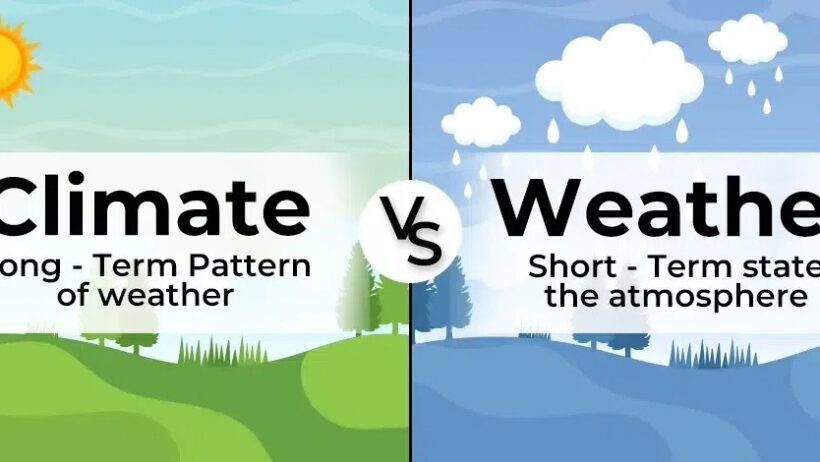
Weather is the atmospheric state at a particular place and time. It encompasses conditions such as temperature, humidity, precipitation, cloudiness, visibility, and wind. Weather can change rapidly; a sunny morning can devolve into a stormy afternoon, illustrating its capricious nature. It is the subject of daily forecasts, guiding people in decisions ranging from what to wear to whether outdoor events will proceed as planned. This transient nature aligns with our immediate experiences and thus garners our attention frequently. However, such immediacy can often eclipse a more profound understanding of weather’s underlying complexities, including its interplay with broader climatic systems.
On the other hand, climate is the long-term average of weather patterns in a specific geographical area over extended periods, typically 30 years or more. It encapsulates trends and variations, such as average temperatures and seasonal changes, thereby providing a backdrop against which weather occurs. Climate delineates the typical conditions expected in a region, whether it be the balmy breezes of the Mediterranean or the biting cold of the Arctic Tundra. Understanding climate allows for a more nuanced appreciation of the environment, as it reveals the evolutionary adaptations of flora and fauna, and demarcates eco-regions. This variance in scale compels us to acknowledge that while weather might affect our daily lives, climate sets the stage for longer-term ecological transformations.
The fascination with these concepts often lies in their intricate relationship. Weather events can serve as anomalies that provoke questions about climatic change. For example, an unprecedented heatwave or an intense winter storm raises alarm bells about the shifting averages of climate. These extreme weather events have become more prevalent as human activities exacerbate greenhouse gas emissions, leading to drastic climatic shifts. Thus, observing abnormal weather patterns can unveil larger climatic trends, prompting critical discussions about sustainability and environmental stewardship.
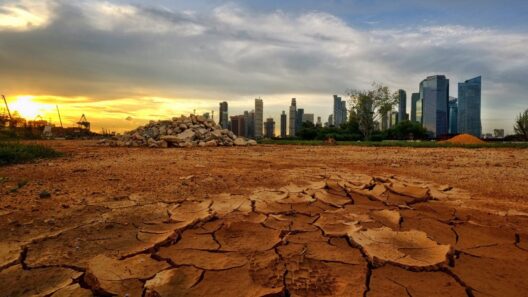
Moreover, the impact of these distinctions extends into various sectors, including agriculture, urban planning, and public health. Farmers must navigate daily weather conditions to make immediate decisions regarding planting and harvesting, but their long-term strategies hinge on climate data. Prolonged droughts may lead to dwindling yields, while shifts in frost dates can herald new opportunities or risks. Thus, understanding the relationship between climate and weather becomes pivotal in adapting agricultural practices to ensure food security in an era marked by climatic unpredictability.
Urban planning also relies heavily on the delineation of climate and weather. Cities are increasingly recognized as “heat islands,” where localized weather patterns can diverge significantly from surrounding rural areas. As climate change manifests in rising average temperatures, urban planners must consider both daily weather variability and long-term climatic trends to create sustainable environments. Green infrastructure, such as parks and green roofs, can mitigate the heat, improve air quality, and enhance residents’ quality of life. Such strategies illustrate a holistic approach, showing sensitivity to both immediate and extended atmospheric phenomena.
The realm of public health experiences similar complexities. Weather can have immediate consequences, such as cold snaps contributing to hypothermia or heatwaves leading to heat-related illnesses. Yet, climate plays an integral role in shaping the backdrop against which these health challenges occur. For instance, changing climatic conditions can alter the habitat ranges of disease vectors like mosquitoes, leading to the emergence or re-emergence of diseases such as malaria or dengue. This interconnectedness highlights the necessity for policies that intertwine weather responsiveness with climate adaptability in public health strategies.
Moreover, education and awareness are imperative in comprehending the difference between climate and weather. Misconceptions may lead to apathy toward climate change, as individuals may downplay the significance of long-term trends when preoccupied with fluctuating daily conditions. Education systems must emphasize this distinction, equipping students with the tools to recognize and understand the environmental changes occurring around them. An informed populace is invaluable in fostering community action and advocating for effective climate policy, ultimately steering society toward sustainability.
In conclusion, understanding the distinctions between climate and weather is not merely an academic exercise; it is a necessity for fostering awareness and proactive engagement with our changing environment. While weather may dominate our daily conversations, it is crucial to elevate our consideration towards climate—an intricate and overarching framework that influences countless aspects of human life and natural ecosystems. As we grapple with the multifaceted challenges presented by climate change, recognizing the interdependence of these concepts will fortify our collective resolve to pursue sustainable solutions. Only by acknowledging the nuances of both phenomena can we hope to navigate the tumultuous waters of environmental change effectively.