


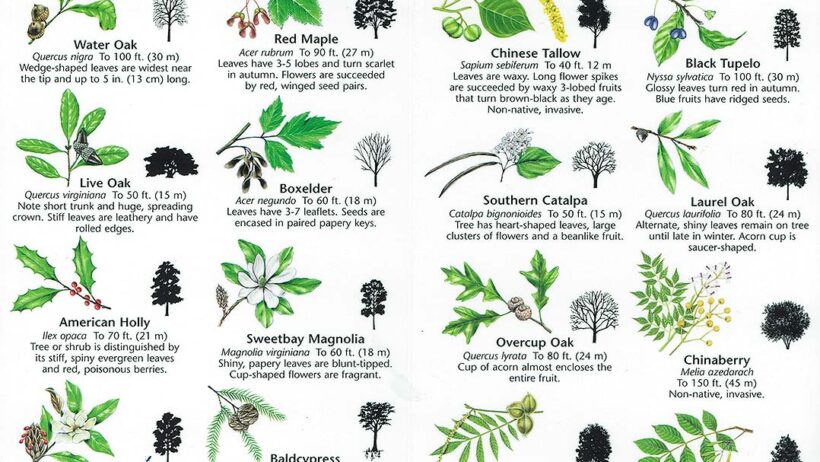

Rainforests, often termed the lungs of our planet, teem with an astonishing diversity of flora and fauna. Amongst the verdant canopies and shadowy undergrowth lies a myriad of plants, each serving a pivotal role in their ecosystem. This species identification guide will transport you into the heart of a rainforest, meticulously examining common plants that define these vibrant habitats.
The Emergence of the Forest Floor
As you step into a rainforest, your journey begins at the forest floor, where light struggles to penetrate the dense canopy above. Here thrives a unique assemblage of species. A quintessential inhabitant is the ferns. Their fronds, delicate and often intricate, unfurl in the moist underbelly of the forest, creating a lush tapestry of green. Ferns reproduce via spores rather than seeds, a primitive trait that speaks to their ancient lineage on Earth.
Also prevalent in this shadowy realm are the epiphytes, non-parasitic plants that cling to the trunks and canopies of larger trees. Orchids and bromeliads exemplify epiphytic life, utilizing the host for physical support while extracting moisture and nutrients from the air. Their existence presents an intriguing observation: these plants have evolved unique adaptations to thrive without soil, underscoring the resourcefulness inherent in nature.
The Canopy: A Treetop Wonderland
As we ascend, the scenery transforms dramatically. The rainforest canopy, a thriving ecosystem in itself, houses numerous species interwoven in an intricate web of life. One cannot discuss rainforest vegetation without acknowledging the magnificent Kapok tree (Ceiba pentandra). Towering above its peers, this tree reaches heights up to 200 feet, making it a keystone species by providing habitat for countless birds, insects, and mammals. Its fluffy seed fibers have been utilized for centuries, revealing a fascinating interplay between nature and human innovation.
Closer examination reveals another stalwart of the canopy: the Brazil nut tree (Bertholletia excelsa). This remarkable species is not only vital for the biodiversity it supports but also for its economic value. Its nuts are a delicacy enjoyed worldwide, but their unique pollination process—requiring the presence of specific bees—demonstrates the delicate balance of this ecosystem. The relationship between the Brazil nut tree and its pollinators reminds us that extinction of a single species can echo through the entire environment, leading to irrevocable changes.
The Understorey: A Palette of Shadows
Descending from the canopy, we explore the understorey. This often-overlooked layer is characterized by its consistence of shrubs, young trees, and a plethora of small plants that have adapted to lower light conditions. A notable example is the Cocoa tree (Theobroma cacao), heralded for its life’s work—the cacao bean, a fundamental ingredient of chocolate. Its vibrant flowers growing directly from the trunk exemplify the unusual and captivating reproductive strategies that abound in rainforests.
Amidst this dense vegetation, you may stumble upon the rattan palm. Its long, slender stems are capable of climbing upwards for support and sunlight, wrapping around nearby trees. Rattan is not only crucial to the ecosystem—providing food for various herbivores—but it also serves practical purposes in human craftsmanship. This reveals an intriguing dichotomy: the connection between ecological health and sustainable resource utilization.
The Colors of Biodiversity
The rainforest is alive with color; notable among this vibrant aesthetic is the Heliconia. Often seen in hues of red and yellow, Heliconia species are not only visually striking but also vital for attracting bird species, particularly hummingbirds, serving as natural pollinators. They illustrate a beguiling spectacle of survival where evolution creates symbiotic relationships that enhance the viability of both plant and pollinator. This fascination lies deeply rooted in understanding how interdependence shapes the natural world.
Medicinal Marvels and Conservation
Moving beyond their beauty, many rainforest plants boast remarkable medicinal properties. The cinchona tree is famous for its bark, which has long been used to extract quinine, a treatment for malaria. This plant bears witness to the consequences of deforestation, as its habitat is increasingly threatened. The loss of such plants exemplifies not only an ecological crisis but also a potential loss of medical cures that nature has safeguarded for millennia.
As conservation efforts soar, the importance of biodiversity continues to resonate across global conversations. The plants covered in this guide reflect a larger narrative—the need to protect these irreplaceable ecosystems while marveling at their intrinsic beauty. A striking paradox emerges: our fascination with these species, coupled with the relentless drive for development, invokes a urgent acknowledgment of our responsibility to safeguard these ecological treasures for future generations.
Conclusion: The Lush Legacy
The plethora of common plants found in rainforests is more than just a collection of species; they are interconnected threads in the intricate tapestry of life that defines these ecosystems. From the forest floor to the towering canopy, each plant contributes its unique essence to the broader narrative of biodiversity. Engaging with the varied communities of the rainforest brings forth a deeper appreciation of nature’s ingenuity, resilience, and the imperative of preservation.
In our quest for identity as stewards of the Earth, let us celebrate these plants—not just for their beauty and utility, but for the remarkable stories they tell of survival, adaptation, and interconnection within the fantastical world of rainforests.