

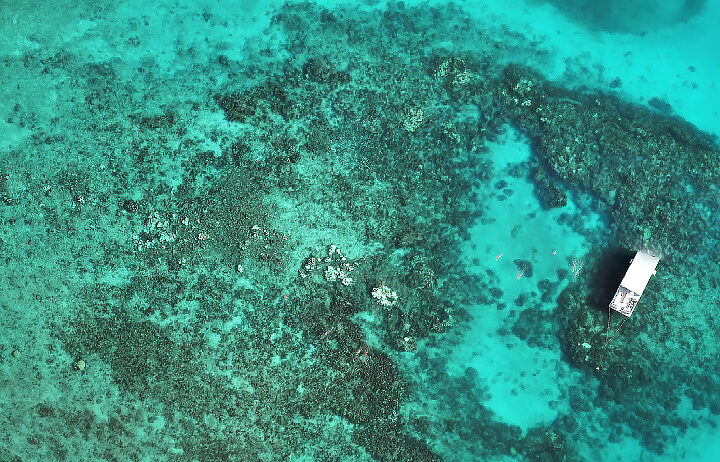

Coral reefs, often referred to as the “rainforests of the sea,” represent one of the most biodiverse ecosystems on the planet. These stunning underwater structures, formed by colonies of tiny marine animals known as coral polyps, provide vital habitats for countless marine species and serve essential functions for human communities. However, a looming question arises, much like a riddle in the depths of the ocean: What happens when these irreplaceable ecosystems begin to crumble in the wake of climate change? The impending challenge posed by coral collapse is one that humanity cannot afford to ignore.
To understand the gravity of the situation, it is crucial to appreciate the role coral reefs play in marine and terrestrial ecosystems. They act as natural barriers, protecting coastlines from erosion and storm surges, while also supporting fisheries that millions depend on for their livelihoods. Furthermore, coral reefs contribute to local tourism economies, drawing millions of visitors who wish to experience their vibrant colors and incredible biodiversity. Despite their importance, these ecosystems are facing unprecedented threats from climate change.
Will we let our reefs fade into oblivion, or is there hope for their restoration? The very essence of coral ecosystems is under siege largely due to increasing ocean temperatures. Corals have a symbiotic relationship with zooxanthellae, photosynthetic algae that live within their tissues. This relationship is vital for coral health, as zooxanthellae provide essential nutrients through photosynthesis. However, when ocean temperatures rise even slightly—typically by just 1-2 degrees Celsius—corals expel these algae, leading to a phenomenon known as coral bleaching. Without their vibrant partners, corals become stark white and lose their primary source of sustenance, making them vulnerable to disease and mortality.
The implications of coral bleaching extend far beyond aesthetic loss. A study indicates that prolonged bleaching events can result in the complete collapse of coral communities. Coral reefs already devastated by warming waters struggle to regenerate. The ensuing challenges include diminished biodiversity and the collapse of fish populations that depend on healthy coral habitats. In regions where reef fisheries are critical, this can lead to food insecurity and economic crises.
Yet, coral reefs are not just threatened by temperature increases. Ocean acidification, another dire consequence of climate change, is equally pernicious. As carbon dioxide levels rise in the atmosphere, oceans absorb more CO2, leading to a decrease in pH levels. This phenomenon impairs the ability of corals to secrete calcium carbonate, a critical building block for their structures. With more acidic waters, the very fabric of reef ecosystems begins to dissolve, leaving behind ghostly remnants of what once thrived. How will we rebuild when the foundation is crumbling?
In addition to climate-related stressors, human activities exacerbate the decline of coral reefs. Overfishing and destructive fishing practices deplete fish populations and disrupt the balance of marine ecosystems. Coastal development and pollution lead to sedimentation and nutrient loading, further suffocating coral ecosystems. These synergistic threats underscore an urgent need for comprehensive and coordinated conservation efforts. A multi-faceted approach is necessary to mitigate both climate change and local stressors impacting reefs.
One potential solution lies in the concept of reef restoration—actively rehabilitating damaged coral ecosystems through various innovative techniques. For instance, scientists are exploring coral gardening, a process where fragments of resilient coral species are grown in nurseries and later transplanted to degraded areas. This method shows promise, particularly in zones where the surrounding conditions (like temperature and water quality) are likely to remain stable. If only restoring these underwater jungles were as simple as planting a tree garden! Yet, such initiatives require concerted efforts, resources, and ongoing monitoring.
Another consideration in the fight against coral collapse is the use of technology. Advances in marine biology and genetic engineering open doors to developing heat-resistant coral strains capable of withstanding warmer water temperatures. Some researchers have already begun experimenting with these resilient varieties, leading to intriguing breakthroughs. Could future coral reefs adapt to our changing climate through human intervention? Perhaps the solution lies in a marriage of nature and innovation.
Moreover, raising awareness and engaging local communities is paramount. Conservation efforts should prioritize education about the ecological and economic importance of coral reefs. By fostering a sense of stewardship, communities can play a crucial role in protecting these ecosystems from further degradation. Local efforts, combined with robust policy changes that address overfishing, coastal development, and pollution, can create a powerful synergy for reef preservation.
Ultimately, as we confront the specter of coral collapse, we must grapple with the choice between complacency and action. The delicate balance of coral ecosystems hangs precariously as we face the uncertainties of climate change. Will we embrace innovation and collaboration to protect these irreplaceable treasures, or will the vibrant colors of our reefs fade into a distant memory? The fate of coral reefs—and the myriad lives they support—rests with humanity’s commitment to change.
As we ponder these questions, consider this: What legacy will we leave for future generations? It’s essential to reflect on both the beauty and fragility of coral ecosystems. The interconnectedness of life, whether above or below the surface, remains a poignant reminder that our actions have far-reaching consequences. In this intricate web of nature, we possess the ability to either weave a brighter future or unravel the threads of life. The choice is ours.