
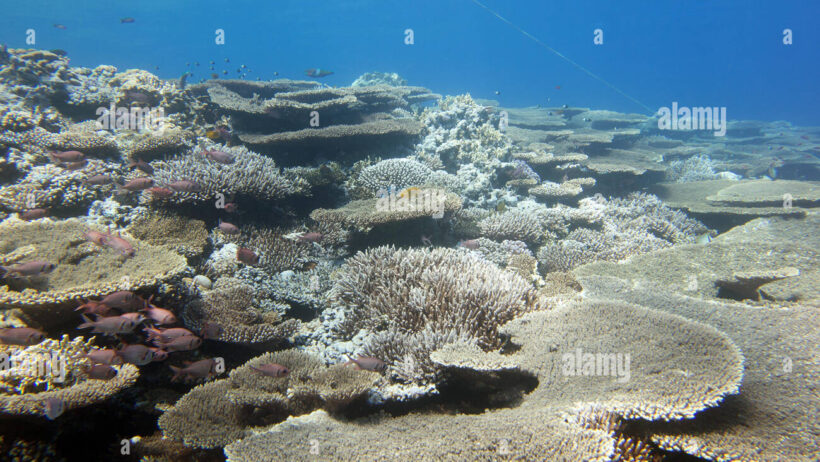

When one gazes into the crystalline depths of the Red Sea, it is akin to peering into a living kaleidoscope, a wonderland of colors intertwined with the pulse of marine life. The corals of this extraordinary marine ecosystem are not mere decorations of the ocean floor; they are the architects of the underwater world, constructing habitats that teem with an astonishing variety of species. These coral reefs can be metaphorically likened to bustling cities; thriving metropolises where countless organisms engage in a vibrant dance of life. In this discourse, we embark on a journey through the fascinating diversity of coral species in the Red Sea and the urgent need for their conservation amid encroaching environmental threats.
The Red Sea is home to over 300 species of reef-building corals, which represent a striking 70% of all coral species found in the Indo-Pacific region. This diversity is partly attributed to the unique geological and climatic conditions that characterize the region. The warm, saline waters of the Red Sea create an environment that is not only conducive to coral growth but also supports a plethora of marine organisms. The diverse coral species range from hardy branching corals, such as Acropora, to the robust brain corals like Platygyra, each contributing uniquely to the reef structure and functionality. These corals are akin to a symphony, with each species playing its part to create a harmonious and resilient ecosystem.
Among the most striking features of Red Sea corals is their incredible adaptability to extreme conditions. For instance, some species are capable of thriving in high temperatures and salinity levels, conditions that would be detrimental to corals in other regions. This resilience can be attributed to a phenomenon known as symbiosis, where corals engage in a mutually beneficial relationship with zooxanthellae, microscopic algae that reside within their tissues. Zooxanthellae provide the corals with essential nutrients via photosynthesis, while the corals offer a safe habitat in return. This beautiful interdependence is not simply a survival strategy; it is a vital contributor to the ecological integrity of the reef ecosystem.
Despite their astonishing resilience, the corals of the Red Sea are not impervious to threats. Climate change stands as a formidable adversary, with rising sea temperatures leading to widespread coral bleaching. This phenomenon occurs when corals expel the zooxanthellae, causing them to lose their vibrant colors and, subsequently, their source of sustenance. The intricate tapestry woven by these corals begins to unravel, resulting in the death of the coral and the myriad species that depend on it. Furthermore, the ever-increasing levels of ocean acidification due to greenhouse gas emissions compromise the ability of corals to calcify, further jeopardizing their survival.
Additionally, human activities pose a significant risk to the coral reefs of the Red Sea. Coastal development, pollution, and unsustainable fishing practices are wreaking havoc on these delicate ecosystems. The introduction of fertilizers and waste products into the marine environment can lead to nutrient overload, resulting in algal blooms that smother corals and deplete the oxygen necessary for marine life. Overfishing not only diminishes fish populations but also disrupts the natural balance of the reef ecosystem, making it increasingly challenging for coral species to thrive.
In light of these alarming trends, it is imperative to implement conservation strategies that prioritize the protection of the Red Sea corals and their ecosystem. Establishing marine protected areas (MPAs) is a vital step in this direction; these designated zones help preserve biodiversity and reduce the impact of human activities. By regulating fishing, tourism, and other potentially harmful practices, we can safeguard the intricate relationships that underpin the coral reef ecosystem.
Education and advocacy play equally crucial roles in coral conservation efforts. Raising awareness about the significance of coral reefs and their threats can inspire community involvement and foster a culture of sustainability. Engaging local populations in conservation initiatives ensures that the voices of those who depend on these resources for their livelihoods are heard and respected. Moreover, scientific research should be encouraged to enhance our understanding of coral resilience and adaptive strategies, paving the way for more effective conservation measures.
Furthermore, global collaboration is fundamental in addressing the widespread issue of climate change. Progressing towards renewable energy, supporting carbon emission reduction initiatives, and fostering international agreements can collectively mitigate the impacts of climate change on coral reefs. It is a shared responsibility, and global citizens must unite in the quest for ecological preservation.
As we navigate through the myriad of challenges facing the corals of the Red Sea, it is crucial to remember that the fate of these remarkable ecosystems lies in our hands. Each coral colony, like a tiny fortress, holds not only the secret to its survival but also to the greater health of our oceans. By understanding the intricate beauty of these corals and championing their conservation, we contribute to the sustainability of marine life. The corals of the Red Sea are more than mere organisms; they are vibrant reminders of the delicate interplay of life that exists beneath the waves. Investing in their future is a commitment to preserving the enchanting tapestry of the underwater world for generations to come.