


The notion of deploying small-scale nuclear weapons as a means to reverse global warming introduces a provocative discourse. On the surface, the idea seems counterintuitive and drenched in ethical conundrums. Nevertheless, the theoretical implications merit examination. Can the catastrophic devastation caused by nuclear explosions, in a carefully calibrated manner, actually cool our planet’s warming climate? To probe this question, one must first comprehend the intricate dynamics of global warming, the principles of nuclear winter, and the intersection of climate science with political and ethical implications.
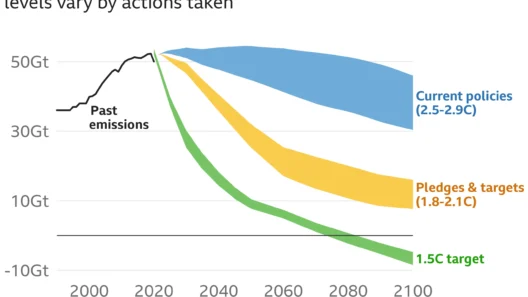
Global warming, primarily a consequence of anthropogenic greenhouse gas emissions, leads to a perilous rise in temperatures across the globe. The increased concentration of carbon dioxide (CO2), methane (CH4), and other greenhouse gases traps heat in the atmosphere, resulting in altered weather patterns, rising sea levels, and disastrous ecological ramifications. The scientific community universally recognizes the urgency of mitigating these emissions. Various strategies have been proposed, ranging from renewable energy deployment to carbon capture technologies. However, the spectral specter of climate change confronts humanity with insurmountable challenges.
On the contrary, the concept of a “nuclear winter” posits that widespread nuclear detonations could obscure the sun and cool the earth—a theory that emerged from Cold War-era research. The hypothesis suggests that the combustion of cities and industrial lands would send massive plumes of soot and debris into the stratosphere, creating a veil that blocks incoming solar radiation. Such an event could theoretically lead to a dramatic drop in global temperatures. This starkly contrasting perspective raises multiple questions: Could a controlled, small-scale nuclear exchange serve as a tool in our arsenal against climate change?
Preliminary analyses indicate that localized detonations might, indeed, lead to a temporary decline in atmospheric temperatures. Advanced climate models that simulate the aftermath of a nuclear exchange have shown that the particulate matter could absorb sunlight and precipitate profound climatic shifts. For instance, studies suggest that a limited nuclear engagement could result in a several-degree temperature drop, mimicking the effects of volcanic eruptions that inject vast quantities of ash and aerosols into the upper atmosphere. However, while the theory stands on intriguing scientific foundations, the implications extend far beyond temperature fluctuations.
The unpredictability of ecological responses to such an artificial manipulation of climate is a harrowing consideration. Climate systems are inherently complex and can react to sudden changes in unforeseen ways. Potential consequences of a nuclear winter could include widespread agricultural collapse, disruption of ecosystems, and the exacerbation of existing socio-economic disparities. Moreover, the duration of these effects is uncertain. While cooling might ensue, subsequent climate deregulation could unleash a reign of chaos, undermining any tangible benefits.
In addition, the ethical ramifications associated with the deliberate initiation of nuclear conflict cannot be understated. The fallout from even limited nuclear engagements extends far beyond the immediate area of conflict. The humanitarian toll would be unimaginable, with loss of life, displacement, and psychological trauma manifesting on a scale difficult to fathom. Hence, the strategy of utilizing nuclear engagement as a tool to combat climate change begs rigorous scrutiny and raises ethical questions that cannot be ignored.
Furthermore, the geopolitical dimensions present another layer of complexity. The detonation of nuclear weapons—even on a small scale—risks inflaming international relations. The potential for escalation into broader conflicts looms precariously, undermining diplomatic channels and precipitating global instability. Given the fractious nature of current international politics, the repercussions of such actions could traverse beyond environmental outcomes, igniting a geopolitical wildfire.
Transitioning from the dialogue around tactical nuclear options to alternatives presents a more palatable discourse. The scientific community continues to advocate for innovative climate strategies that do not compromise humanity’s moral fabric. Renewable energy sources, such as solar, wind, and hydroelectric power, are emergent paradigms that offer sustainable options for reducing greenhouse gas emissions. Additionally, investment in climate adaptation technologies and practices can help mitigate the adverse effects of climate change without resorting to draconian measures.
In conclusion, the proposition that a small nuclear exchange could serve as a means to reverse global warming embodies a complex interplay of scientific, ethical, political, and ecological dimensions. While intriguing in its scientific foundations, its ramifications command careful consideration and research. Abandoning the reliance on such drastic measures in favor of developing more sustainable and humane approaches to climate management remains paramount. Ultimately, the quest to combat climate change should emphasize resilience and innovation over destructive paradigms.
The call to action is clear: humanity must pivot toward cooperative global initiatives that unify different regions in the fight against climate change. Rather than contemplating manufactured calamities, the focus should shift toward fostering collaboration among nations to create a sustainable future for all. Only through concerted efforts can we mitigate the perils of global warming and ensure a habitable planet for generations to come.