

Global warming, often associated with rising temperatures and melting ice caps, may paradoxically lead to longer and harsher winters in certain regions. This perplexing phenomenon can be traced back to complex interactions within the Earth’s climate systems. To understand how global warming could precipitate severe winter conditions, it is essential to consider various factors, including atmospheric patterns, ocean currents, and the intricate balance of ecosystems.
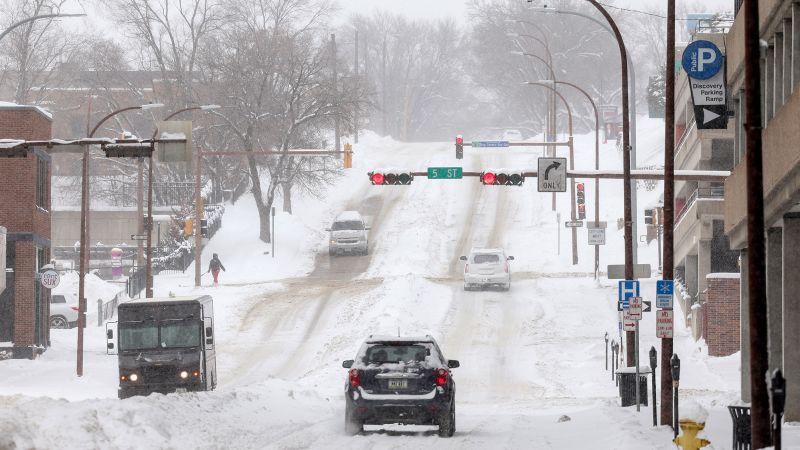
The first element to examine is the polar vortex, a large area of low pressure and cold air surrounding the Earth’s poles. When the polar vortex is stable, it effectively keeps the cold air contained near the Arctic. However, with global warming, we have witnessed alterations in the jet stream, a significant wind current that influences weather patterns across the Northern Hemisphere. As Arctic temperatures rise due to climate change, the temperature differential between the poles and mid-latitudes decreases. This alteration can result in a wavier jet stream that may allow frigid air to push further south than typical, leading to biting cold snaps in regions that usually experience milder winters.
Subsequently, feedback mechanisms emerge, further compounding the issue. For instance, as warm air infiltrates the Arctic and begins to melt permafrost, the release of greenhouse gases, such as methane, exacerbates warming. Nevertheless, this warming can disrupt typical climate patterns and contribute to the destabilization of the polar vortex, thus initiating a cascade of cold weather in lower latitudes. Therefore, while the overall global climate trends towards warming, localized climatic events demonstrate that cold extremes may become more frequent as the climate system adapts and responds to unprecedented changes.
Ocean currents also play a crucial role in shaping winter weather across various regions. The Atlantic Meridional Overturning Circulation (AMOC) is a significant ocean current that influences temperatures along the eastern coast of the United States and much of Europe. This current helps transport warm water from the tropics towards the poles. As the Arctic continues to warm, freshwater from melting ice caps can disrupt the salinity and density gradients that drive the AMOC. A weakened AMOC may inhibit the warm water’s northward progression, resulting in cooler conditions in the North Atlantic and, by extension, colder winters in parts of Europe and eastern North America.
It is also crucial to consider the role of land-sea interactions. The differential heating between land and sea surfaces can create extreme weather events. As the atmosphere warms, land areas may heat up more rapidly than oceans. This discrepancy causes atmospheric pressure gradients, which can lead to intensified storms and harsh winter weather systems. Furthermore, modified land surface conditions—such as altered vegetation patterns due to warming—affect local microclimates, subsequently influencing regional winter intensity.
Climate scientists utilize various models to predict the potential for these longer, harsher winters. Multi-model ensembles analyze a range of scenarios to provide probabilistic forecasts. These models illustrate that as we continue on a trajectory of greenhouse gas emissions, the likelihood of experiencing extreme cold events during winter months increases, despite the overarching trend of warming. This predictive activity involves significant uncertainties; however, the models consistently indicate that changing climate dynamics will likely lead to altered winter weather patterns in the coming decades.
One cannot ignore the human element entwined within these environmental shifts. Popular discourse often centers around climate change denial or misunderstanding, but scientific evidence mounts in support of warmer global temperatures and their indirect effects. Individuals may find themselves unprepared for increasingly severe winter conditions, creating socio-economic challenges. Infrastructure, agriculture, and public health sectors must adapt to an evolving understanding of climate behavior. Communities that traditionally associate winter with mild conditions may need to equip themselves for more extreme variations.
The impact of climate change on winter is not uniform across the globe. Regions with abundant snowfall may see increased precipitation, while others may experience stark deficits. This variance can disrupt the livelihood of communities reliant on consistent winter weather, such as those engaged in winter sports or agriculture. Furthermore, ecosystems face disruptions, from altered migration patterns in birds to the survival rates of numerous species. Cold-adapted fauna and flora may struggle to adapt to rapid climatic changes, leading to declines in biodiversity and further imbalances in local ecosystems.
In conclusion, while the narrative of global warming primarily emphasizes increasing temperatures, the complex interplay of climatic factors positions colder winters as a potential outcome. The polar vortex, ocean currents, land-sea interactions, and human implications all contribute to this intricate tapestry of climate dynamics. As we progress deeper into the 21st century, understanding these interconnected systems becomes paramount in preparing for both localized freezing conditions and broader climatic shifts. Addressing climate change proactively necessitates recognizing that harsher winters can be a direct consequence of a warming planet, with profound implications for environmental, economic, and societal resilience. Thus, advocacy for sustainable practices and a reduction in greenhouse gas emissions remains essential in mitigating these unpredictable outcomes.