


Climate change is a phenomenon that has captivated the attention of scientists, policymakers, and the public at large for decades. The crux of the issue lies in the gradual and often imperceptible rise in Earth’s average temperature, a trend exacerbated by anthropogenic activities. Understanding the timeline of climate change is pivotal for grasping its implications for the planet and humanity. This discussion seeks to elucidate the origins of climate change, its progression, and the multifaceted dimensions of its impact.
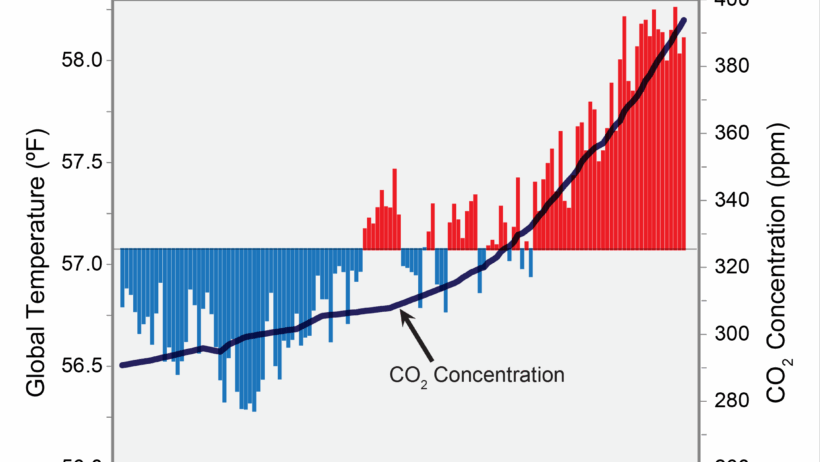
The origins of modern climate change can be traced back over a century, gaining notable traction in scientific circles around the mid-20th century. It was then that physicists began to fathom the concept of greenhouse gases and their contribution to global warming. The keystone discovery was that increased concentrations of carbon dioxide (CO2) in the atmosphere lead to enhanced greenhouse effects. This phenomenon has been meticulously documented through the analysis of ice cores, tree rings, and other natural records, demonstrating that fluctuations in climate are not merely contemporary occurrences but rather part of a broader historical narrative.
The Intergovernmental Panel on Climate Change (IPCC) has been instrumental in evaluating and synthesizing climate data. In its various assessment reports, the IPCC has consistently underscored the anthropogenic origins of current warming trends, attributing them primarily to fossil fuel combustion, deforestation, and industrial activities. Since the Industrial Revolution, the Earth’s temperature has risen approximately 1.2 degrees Celsius, a seemingly modest figure that translates into significant ecological ramifications.
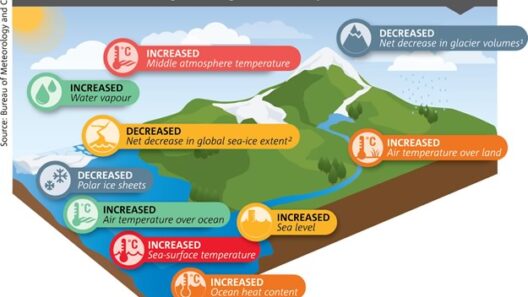
Over the decades, observable changes in weather patterns, sea levels, and biodiversity losses have gained prominence. For instance, substantial evidence from around the globe indicates that global temperatures have increased dramatically since the 1980s. The decade of the 2000s marked a critical transition, with average annual temperatures consistently surpassing historical norms. This warming was not an isolated event; it was reflective of a broader climatic upheaval that had been building over decades.
The impacts of climate change can be classified into several categories, encompassing environmental, economic, and social dimensions. Environmental consequences manifest in the form of more extreme weather events. Hurricanes, droughts, heatwaves, and heavy rainfall are becoming increasingly frequent and intense. Such climatic extremities do not merely disrupt ecosystems; they also imperil agricultural productivity and water resources, leading to cascading consequences for human livelihood and food security.
With oceans absorbing vast amounts of CO2, acidification has emerged as a harrowing side effect. Marine ecosystems, particularly coral reefs, are under severe threat. The delicate balance of these habitats is fracturing, contributing to significant loss of biodiversity and the extinction of numerous marine species. The long-term consequences of these shifts could jeopardize fish stocks and the communities that rely on them for sustenance.
Socially, climate change is a harbinger of displacement and inequality. Vulnerable populations, particularly in developing nations, are disproportionately affected. These communities often lack the infrastructure and resources needed to adapt to changing weather patterns, making them susceptible to famine, disease, and irrevocable loss of homeland as they become climate refugees. The disparity between those who contribute most to climate change and those who bear the brunt of its impacts exacerbates existing inequalities, fueling social tensions and global discontent.
As decades have unfolded, the need for comprehensive climate action has become more evident. The Paris Agreement, forged in 2015, signified a turning point in international climate policy, with countries pledging to limit global warming to well below 2 degrees Celsius above pre-industrial levels, ideally aiming for a 1.5 degrees Celsius ceiling. This ambitious goal underscored a collective acknowledgment of the perils of inaction.
However, progress towards these objectives has been sluggish. Several nations have struggled to implement meaningful policies, hamstrung by political inertia, economic considerations, and public skepticism. The proliferation of misinformation regarding climate science continues to undermine collective efforts. Nevertheless, grassroots movements have surged worldwide, with young activists leading calls for urgent action. This emerging fervor encapsulates a generational shift where climate consciousness increasingly influences political discourse and consumer behavior.
The road ahead requires a multifaceted response to climate change. Renewable energy technologies, such as solar, wind, and hydroelectric power, present transformative potential for reducing reliance on fossil fuels. Innovations in carbon capture and storage (CCS) technologies hold promise for mitigating greenhouse gas emissions from industrial operations. Sustainable agricultural practices and reforestation initiatives have gained recognition as valuable strategies for enhancing resilience against climate impacts while sequestering carbon.
Ultimately, the saga of climate change is an unfolding narrative—a tale of human ingenuity and resilience juxtaposed against the stark realities of ecological degradation. Awareness and education are imperative for fostering a culture of sustainability that embraces innovative solutions. Individuals, communities, and nations must collectively grapple with the exigencies of climate change, for the choices made today will reverberate for generations to come. Only through concerted action can we hope to mitigate the impending climatic crises that loom on the horizon.
In conclusion, understanding the historical context of climate change is crucial. The warming trends observed over the last several decades are not incidental but rather the result of complex interplays between natural and anthropogenic factors. As the impacts of climate change become increasingly palpable, the urgency of addressing this existential threat grows ever more acute, demanding a unified global response to secure a sustainable and equitable future for all.”