

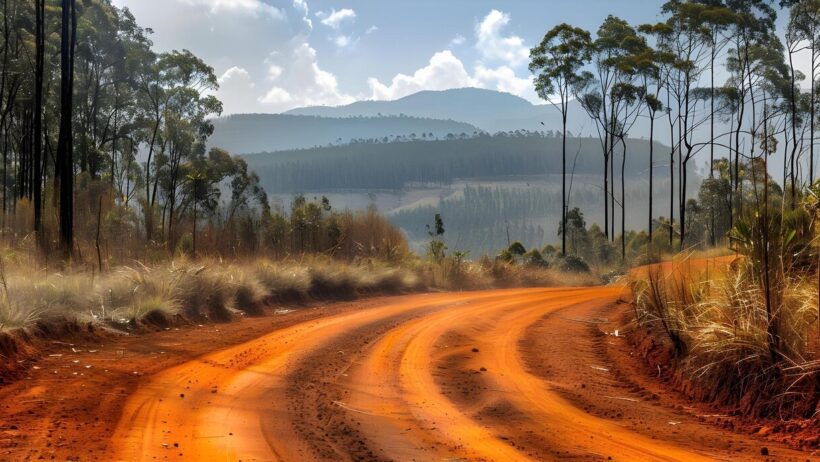

Deforestation remains one of the most pressing environmental issues, rooted deeply in the intricate relationship between human activities and natural ecosystems. The term ‘deforestation’ refers to the large-scale removal of trees from forested areas, leading to habitat destruction, loss of biodiversity, and a cascade of ecological imbalances. This phenomenon is not merely an ecological concern; it intertwines with social and economic dimensions, thus influencing global warming and climate change.
First, it is important to comprehend the biological richness housed within forests. These ecosystems are teeming with flora and fauna, many of which are endemic and cannot be found elsewhere. When trees are felled or burned, entire species lose their homes, leading to accelerated extinction rates. It is estimated that every year, approximately 10 million hectares of forest are lost, with tropical rainforests being particularly vulnerable due to their high biodiversity value and rich carbon stores.
Furthermore, deforestation contributes significantly to climate change. Trees act as carbon sinks, absorbing carbon dioxide (CO2) from the atmosphere. The destruction of these trees not only releases stored carbon back into the atmosphere but also diminishes the planet’s capacity to absorb future emissions. This double-edged sword aggravates the greenhouse effect, contributing to the global increase in temperatures and extreme weather patterns. For instance, droughts, floods, and hurricanes are becoming increasingly frequent and severe, largely attributable to the destabilization of ecological systems.
From an ecological perspective, forests provide invaluable services beyond carbon storage. They play a critical role in water regulation, soil preservation, and the maintenance of local and global climate systems. For example, forests help in the water cycle by facilitating precipitation and ensuring groundwater recharge. The elimination of trees disrupts this cycle, leading to arid conditions in regions that were previously temperate or moist.
Consequently, deforestation poses a dire threat to food security. The soil functions optimally in a forest ecosystem due to its organic composition enriched by decaying flora and fauna. However, clearing forests for agriculture leads to soil erosion and nutrient depletion, rendering land unproductive over time. In regions where communities depend on subsistence farming, this depletion can precipitate famine and contribute to socioeconomic instability.
One should also acknowledge the socio-cultural implications of deforestation. Indigenous communities often rely on forests for their livelihoods, cultural practices, and spiritual connection to the land. Their displacement due to logging operations or land conversion for industrial agriculture can lead to loss of identity and cultural heritage. Thus, the repercussions of deforestation resonate beyond the ecological realm; they propagate to the very core of human existence and cultural integrity.
Solutions to halt and reverse deforestation are multifaceted. Reforestation and afforestation are critical strategies. By planting trees in deforested areas, we can restore habitats, enhance biodiversity, and sequester carbon. However, it is essential for these actions to be conducted thoughtfully, considering local ecosystems and community needs, to avoid potential ecological pitfalls. Importantly, sustainable forestry practices must be implemented and respected. This includes selective logging, minimizing waste, and promoting the use of certified products that ensure forest conservation.
On an institutional level, policy interventions are paramount. Governments must enact stringent regulations to protect forested areas and impose penalties for illegal logging activities. International cooperation is necessary too, as deforestation often occurs in transboundary regions. Global partnerships and initiatives aimed at preserving biodiversity and promoting sustainable land management can foster collective responsibility and action.
Moreover, raising awareness is critical to garner public support for forest conservation. Education campaigns can mobilize communities, encouraging them to advocate for sustainable practices. Engaging the youth in environmental stewardship cultivates a generation that prioritizes ecological sustainability. Given the prevalent misinformation regarding climate change and deforestation, accurate, persuasive, and comprehensive communication about the stakes involved is indispensable.
The role of technology cannot be overlooked in this battle against deforestation. Remote sensing, satellite imagery, and data analytics enable real-time monitoring of forest cover changes. This technological advancement facilitates timely responses to illegal logging, further enhancing conservation efforts. Innovations in agricultural practices, such as agroforestry and permaculture, can also mitigate the pressure on forests by maximizing yield without compromising biodiversity.
Ultimately, the urgency of addressing deforestation is underscored by its interconnectedness with broader environmental issues. Ecosystems, climate, biodiversity, and human wellbeing are intricately interwoven; degradation in one domain invariably precipitates adverse effects across others. Thus, an interdisciplinary approach combining ecological science, social policy, and economic strategy emerges as the optimal pathway to forge sustainable solutions.
Securing a habitable future necessitates a commitment to preserving our forests—nature’s lungs. By understanding the magnitude of deforestation’s impact on ecosystems, we can foster a sustainable relationship with our environment. It is through awareness, active participation, and innovative solutions that we can effectively combat the threat of deforestation and safeguard the planet for generations to come.