


With the implications of global warming becoming increasingly dire, one must ask: how do desert dwellers endure and adapt in the face of rising temperatures and dwindling water resources? The challenges presented by climate change are not merely theoretical but tangible, changing the very fabric of lives in arid regions. As temperatures consistently soar, an exploration into adaptation strategies for these communities is more pertinent than ever.
The phenomenon of desertification is a primary concern for those living in arid climates. Desert dwellers—be they indigenous tribes or modern societies—face an existential threat due to the escalation of heat and the reduced availability of water. Plants and animals that once thrived under specific climatic conditions are now in jeopardy. Biodiversity diminishes gradually, leading to ecological imbalances that put further strain on the human populace.
In the realm of agriculture, traditional farming techniques are becoming less feasible. Once-reliable crops are failing as soil dries out, making it imperative for farmers to modify their approaches. Hydroponics and aquaponics have emerged as groundbreaking techniques that allow for growth without soil, utilizing minimal water while maximizing yield. These innovative methods provide an alternative to conventional agriculture, fostering resilience in the face of climatic uncertainty. But the challenge remains—how can rural farmers adopt these technologies when resources are scant?
Water scarcity constantly looms over desert regions, dictating daily life and agricultural practices. To combat this growing dilemma, water conservation methods are being developed. Rainwater harvesting systems, for instance, can significantly augment local water supplies, allowing communities to capture and store water during rare precipitation events. Meanwhile, the implementation of drip irrigation systems can drastically reduce water waste, ensuring that every drop is utilized effectively. Yet, the fundamental question persists: can these systems be implemented on a larger scale to benefit entire communities?
The socio-economic fabric of desert regions is also shifting. Migration patterns are altering as destitute individuals relocate to urban centres in search of stability, often leading to overcrowded cities and increased pressure on resources there. Others choose to remain, relying on inherited knowledge and innovative practices to survive. Community-based resource management, wherein locals collaborate to sustainably manage water and land, demonstrates promising results. Despite these successes, the dual challenges of social cohesion and the establishment of equitable governance structures can obstruct progress.
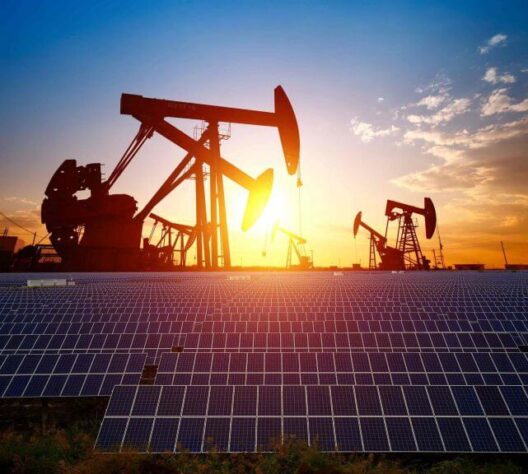
In the face of this multifaceted crisis, technological advancements play a crucial role. Renewable energy sources, such as solar and wind power, have gained traction in desert regions. Harnessing the relentless sunlight that characterizes these areas, solar panels can power homes and irrigation systems, providing a viable pathway towards energy independence. However, how can communities afford the initial investment needed for such transformative technologies?
Education presents another avenue for adaptation. Societal knowledge about climate change’s impact must be disseminated widely. Workshops and training programs can teach sustainable practices, empowering individuals with the skills necessary to navigate this shifting landscape. The importance of education cannot be overstated; it fosters agency, enabling desert dwellers to take charge of their futures. Yet, how do you ensure that this vital information reaches the most vulnerable populations amid language barriers and limited resources?
Moreover, the cultural practices of desert populations are at risk of extinction. As traditional lifestyles come under siege from climate change, maintaining cultural identity becomes a challenge. Ethnobotany, the study of the relationship between people and plants, can help preserve traditional knowledge about local flora and fauna, sustaining the delicate balance of ecosystems. Efforts to document these practices should be prioritized, yet they also require investment and commitment from both local and global communities.
Another crucial aspect of adaptation centers on the health concerns that arise from a warming world. Increased temperatures exacerbate respiratory issues and heat-related illnesses, particularly for vulnerable populations. Yet, integrating health services with climate adaptation strategies can lead to comprehensive community resilience. Public health campaigns aimed at educating residents about the health risks associated with extreme heat can save lives. But, how do you ensure that healthcare infrastructures can support these initiatives?
In conclusion, desert dwellers face an array of challenges posed by climate change, necessitating a multifaceted approach to adaptation. From agricultural innovations and water management to education and cultural preservation, solutions must be equitable, sustainable, and community-driven. Each adaptive strategy offers a glimmer of hope, but the collective effort of individuals, organizations, and governments is essential for creating resilient desert communities. The question now remains: will we act decisively to support those on the frontlines of climate change adaptation, or will we stand by as these vibrant cultures face unprecedented duress? It is a dilemma that requires our immediate attention and unwavering commitment.