


Global warming is often perceived through a Northern Hemisphere lens, with much attention paid to the climatic changes occurring in regions like North America and Europe. However, the Southern Hemisphere is equally affected by this global phenomenon, and addressing the impacts there is imperative for a comprehensive understanding of climate change. This examination reveals not only the alterations in climate patterns but also the underlying mechanisms contributing to such shifts.
The Southern Hemisphere, comprising vast oceans, diverse ecosystems, and distinctive weather patterns, presents a complex case for climate change analysis. Unlike its northern counterpart, it has fewer landmasses, which significantly influences hydrological cycles and atmospheric dynamics. This ecological configuration contributes to a unique interplay between land and sea, which can exacerbate the effects of climate warming.
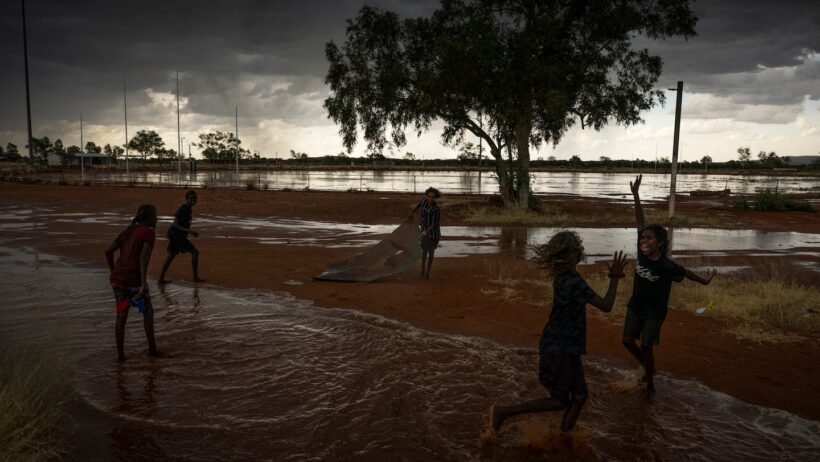
One notable observation is the increase in storm activity in the Southern Hemisphere. Research indicates a discernible uptick in extreme weather events, including cyclones and torrential rainfalls. This phenomenon is particularly pronounced over the Southern Ocean, which has warmed more significantly than many regions in the Northern Hemisphere. The relationship between ocean temperature and atmospheric conditions is crucial here; warmer waters can result in more intense storms due to the enhanced evaporation rates, providing storms with greater energy potential.
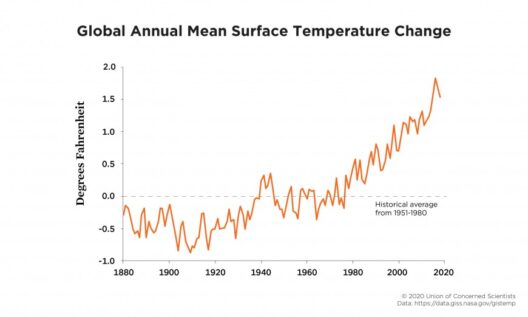
Moreover, temperature records reveal alarming trends. Average surface temperatures in the Southern Hemisphere have increased at a rate comparable to the global average, signaling widespread changes across ecosystems. Areas such as Australia and parts of South America are experiencing surging temperatures, resulting in more severe droughts and heatwaves. Such climatic changes are not merely statistical; they profoundly affect natural landscapes, biodiversity, and human communities.
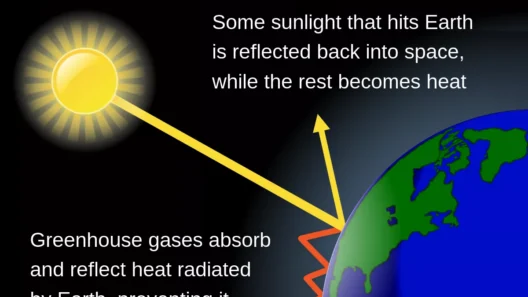
While ocean currents and seasonal shifts play a critical role in these changes, the influence of anthropogenic factors cannot be overlooked. Industrialization and urban expansion have driven greenhouse gas emissions that exacerbate the greenhouse effect. In regions like southern Brazil or Argentina, rising agricultural practices contribute to deforestation, further compounding the carbon dioxide concentration in the atmosphere. Forests act as carbon sinks; when they are removed, the balance is disrupted, intensifying the impacts of climate change.
Another aspect warranting examination is the biodiversity of the Southern Hemisphere. The concentration of unique flora and fauna, often found in places like New Zealand and Madagascar, renders these regions particularly vulnerable to climate variations. Many of these species are endemic, meaning they are only found in those locales. As temperatures rise, their habitats are threatened, leading to possible extinctions and a significant loss in biodiversity. This loss is not merely an ecological tragedy; it poses a risk to human populations as well, as biodiversity underpins ecosystem services that are vital for agricultural productivity, water purification, and disease regulation.
Furthermore, indigenous communities across the Southern Hemisphere are beginning to notice alterations in their traditional ways of life. Shifting climate patterns have significant implications for agriculture, fishing, and water availability, all of which are integral to the sustenance of these communities. For example, in the Pacific Islands, rising sea levels threaten freshwater supplies and disrupt fishing grounds, fundamentally undermining food security. The interplay between climate change and socio-economic stability underscores the complexity of the issue; it is not merely an environmental crisis but also a social one.
In the field of climate science, there exists a burgeoning interest in the Southern Hemisphere’s role in the global climate system. The intricacies of how the Southern Ocean interacts with atmospheric systems and the broader climate are still being investigated. Studies have focused on phenomena such as the Southern Annular Mode, which influences weather patterns across the Antarctic and its surrounding regions. Understanding these mechanisms is critical for predicting future climatic behaviors and for developing effective strategies to mitigate the effects of climate change.
Addressing climate change in the Southern Hemisphere requires meticulous policy adaptation and sustainable practices. International collaboration is paramount, especially in managing shared resources and promoting conservation efforts. Transitioning to renewable energy sources, enforcing stricter emissions regulations, and fostering sustainable agricultural practices are essential steps in combating climate change.
Acknowledging and acting upon the profound effects of global warming in the Southern Hemisphere is not solely the responsibility of governments or environmental organizations; it requires collective action from individuals and communities. Education and awareness are vital in this pursuit. As the effects of climate change become increasingly apparent, motivating action through informed public discourse can spur more substantial changes at local and global levels.
In conclusion, global warming is indeed a phenomenon that transcends hemispherical boundaries. The Southern Hemisphere is navigating a multitude of changes attributable to climate change, which carries severe implications for the environment, society, and economies. Through understanding, awareness, and cooperative efforts, it is possible to mitigate the impacts of climate change and foster resilience in these vulnerable areas. The narrative surrounding climate change is not merely a story of loss and despair; it can be a foundation for innovation, adaptation, and sustainable coexistence with our planet.