


The relationship between nuclear bomb testing and global warming is a complex interplay of history, science, and environmental consequences. Through the course of the 20th century, nuclear weapons development resulted in numerous atmospheric tests, leaving an indelible mark on the global climate and environment. Understanding this relationship requires examining various facets, including atmospheric chemistry, environmental degradation, and anthropogenic influences on climate change.
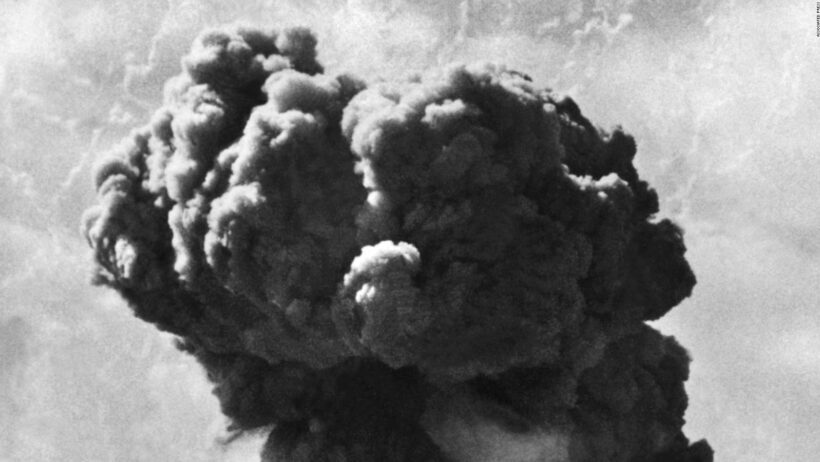
Nuclear bomb testing began in the early 1940s, reaching its zenith during the Cold War. Between 1945 and 1996, over 2,000 nuclear bomb tests were conducted worldwide, releasing colossal amounts of energy and radiological material into the atmosphere. The immediate aftermath of these tests included the spread of radioactive isotopes, which led to increased levels of strontium-90 and cesium-137 in the environment. While these isotopes are primarily associated with health risks and genetic mutations, the question arises: did they also contribute to climate change?
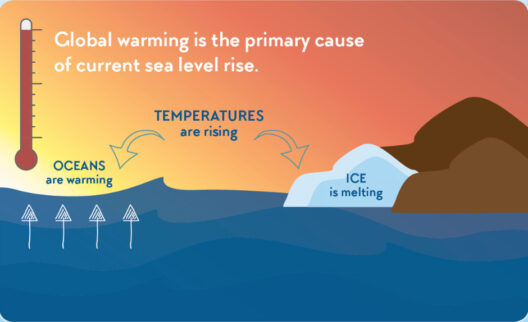
To explore this question, it is crucial to understand the nature of greenhouse gases and their role in global warming. Greenhouse gases, such as carbon dioxide (CO2), methane (CH4), and nitrous oxide (N2O), trap heat in the atmosphere. Instead, nuclear bomb tests primarily released other forms of particulate matter and radioactive isotopes rather than CO2 and other conventional greenhouse gases. Consequently, their direct contribution to the greenhouse effect was relatively minimal.
However, the environmental destruction caused by nuclear testing had secondary effects that indirectly influenced climate change. Massive craters were formed in areas where tests occurred, leading to changes in land use and vegetation cover. The destruction of forests and ecosystems reduces the earth’s capacity to sequester carbon, indirectly exacerbating greenhouse gas emissions. This is remarkably pertinent in the case of atmospheric tests conducted in places like the Pacific Islands, where whole ecosystems were obliterated.
Additionally, the aftermath of nuclear testing often includes long-term contamination of land and water sources. The radioactive fallouts spread not only affect human health but can also disrupt entire ecosystems. Runoff contaminated with radioactive materials can lead to the bioaccumulation of toxins within aquatic ecosystems, which can then affect terrestrial food webs. This interdependence of ecological networks highlights the far-reaching effects of bomb testing on environmental health, which in turn can feed back into climate change through altered land-use practices and reduced biodiversity.
Furthermore, the military and industrial sectors’ proliferation during the Cold War era contributed adversely to pollution and greenhouse gas emissions. The resources directed toward developing and testing nuclear weapons detracted from potential investment in sustainable energy solutions or climate change mitigation strategies. This choice reflects a broader trend of prioritizing short-term military capabilities over long-term environmental sustainability.
Public health and safety are also significantly impacted by nuclear testing. Communities close to test sites were exposed to harmful levels of radiation, leading to severe health problems and fostering a cycle of environmental degradation. The need for cleanup and containment measures associated with contaminated land can lead to further resource allocation away from climate-positive initiatives. A choice to neglect nuclear test legacies could hinder global efforts to combat climate change, emphasizing the intertwined nature of environmental and social impacts.
Transitioning from the historical to the present, it is crucial to recognize the ongoing repercussions of nuclear fallout. Nuclear testing continues to shape policies and perceptions about environmental stewardship and weaponry. The Comprehensive Nuclear-Test-Ban Treaty (CTBT), which aims to prohibit all nuclear explosions, underscores the global acknowledgment of the hazardous implications associated with these tests. Although the treaty has not been universally ratified, it represents an important step toward reducing the environmental risks tied to nuclear weapons development.
Looking ahead, it is pivotal to integrate lessons learned from the nuclear testing era into contemporary climate change discussions. The nuclear industry, while historically associated with wider environmental degradation, could also represent a potential pathway to carbon-free energy. Nuclear power plants produce negligible greenhouse gas emissions during operation. However, careful consideration and management of nuclear waste, safety protocols, and reactor design remain paramount to prevent a resurgence of associated environmental damages.
It is vital for policymakers to understand the historical context of nuclear testing when formulating modern climate strategies. Industrialization, warfare, and technology have far-reaching implications for climate stability. On an international spectrum, a coalition of countries committed to disarmament could foster cooperative efforts toward sustainable development, benefiting both environmental and sociopolitical landscapes.
In conclusion, while nuclear bomb testing did not directly cause global warming through the release of conventional greenhouse gases, its historical context is intertwined with environmental degradation and anthropogenic climate impacts. The legacy of testing not only affected ecosystems and human health but also redirected resources away from sustainable practices. Understanding these interconnections is essential to crafting comprehensive strategies for addressing climate change and canonical environmental challenges.
Greater awareness of the historical ramifications of nuclear testing obliges current generations to advocate for policies that support environmental sustainability. As societies progress, the integration of diverse perspectives—scientific, ecological, and sociopolitical—will be essential for mitigating climate change while ensuring that the mistakes of the past are neither forgotten nor repeated.