



Ecosystems are intricate webs of interactions that sustain life on Earth, performing myriad functions that we often take for granted. Among the many facets of these dynamic systems are ecosystem functions and ecosystem services. Although the terms are frequently used interchangeably, they embody distinct concepts that are vital to understanding how the natural world supports human existence. This article elucidates the differences between these two foundational elements, providing a comprehensive narrative filled with examples that illuminate their significance.
Ecosystem Functions: The Underlying Processes
Ecosystem functions refer to the natural processes and interactions that occur within an ecosystem. These functions form the very bedrock of all environmental processes, influencing biophysical configurations and supporting the sustenance of living organisms. Functions can include nutrient cycling, energy flow, soil formation, and the regulation of local climates. Each function is interconnected; the loss or alteration of one can lead to cascading effects throughout the ecosystem.
Take, for instance, the process of nutrient cycling. Decomposers like fungi and bacteria break down organic matter, releasing essential nutrients such as nitrogen and phosphorus back into the soil. This process is critical for plant growth, enabling not only the plants to thrive but also supporting the herbivores that depend on these plants for food. Without the ecosystem function of nutrient cycling, agricultural systems would falter, food security would be compromised, and biodiversity would dwindle.
Another salient example is the energy flow within an ecosystem. Solar energy is converted into chemical energy through photosynthesis. This energy subsequently flows through the food web as organisms consume plants or one another. As energy flows from one trophic level to the next, it facilitates complex relationships and interactions in ecosystems, from primary producers to apex predators. The health of an ecosystem is intrinsically linked to these energy dynamics, which govern population sizes, community structures, and even species interactions.
Ecosystem Services: Benefits to Humanity
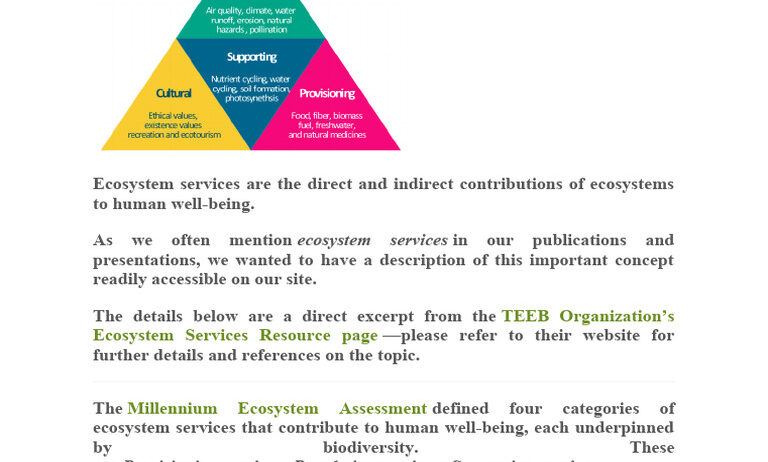
Provisioning services include the tangible products obtained from ecosystems, such as food, fresh water, timber, and medicinal resources. For instance, forests not only provide timber for construction but also serve as habitat for countless species, which can have indirect benefits for agricultural systems through pollination. In this way, provisioning services are deeply entwined with ecosystem functions, relying on the health of the underlying natural processes to deliver their benefits.
Regulating services refer to the natural mechanisms that regulate environmental conditions, such as climate, water quality, and disease control. Wetlands, for example, are renowned for their ability to filter pollutants from water. They serve as natural buffers against flooding, absorbing excess rainfall and reducing the risk of flooding downstream. These regulating services are essential for maintaining human health and safety, illustrating a vital connection between ecological integrity and human survival.
Cultural services encompass non-material benefits derived from ecosystems, such as recreational opportunities, aesthetic enjoyment, and spiritual enrichment. National parks are prime examples; they offer environments where individuals can reconnect with nature, promoting mental health and well-being. Such spaces also provide educational opportunities, enabling society to engage with and understand the importance of conservation and biodiversity.
Lastly, supporting services are the underlying processes that maintain the other ecosystem services. These include soil formation, photosynthesis, and habitat provision. Healthy soils, for instance, are essential for agricultural productivity. Without adequate nutrient cycling, organic matter decomposition would be hindered, diminishing soil fertility and affecting food production. Supporting services serve as the foundation upon which provisioning, regulating, and cultural services rest.
The Interrelationship Between Functions and Services
The intricate connection between ecosystem functions and services can be best illustrated through the example of coral reefs. Coral reefs provide vital ecosystem functions—like habitat formation and nutrient cycling—while simultaneously delivering a wealth of ecosystem services, such as supporting fisheries, protecting coastlines, and facilitating ecotourism. The degradation of these marine environments not only threatens the ecological processes that sustain them but also jeopardizes the myriad services that benefit human societies, particularly coastal communities reliant on fishing and tourism.
As human activities continue to exert pressure on natural ecosystems—due to climate change, pollution, urbanization, and deforestation—the differentiation between ecosystem functions and services becomes increasingly crucial. Understanding this connection underpins effective conservation strategies and informs policy decisions aimed at safeguarding both ecological integrity and human well-being.
A Call to Action
In this age of ecological crises, it is imperative for individuals and communities to recognize the profound interdependence between ecosystem functions and the services they provide. By fostering a deeper understanding of these concepts, we can cultivate a sense of stewardship towards our natural environments. Investing in conservation efforts, supporting sustainable practices, and advocating for policies that prioritize ecological health aren’t just options—they are necessities for ensuring the well-being of future generations.
In conclusion, while ecosystem functions and services represent distinct yet intertwined concepts, their ultimate relevance is echoed in our daily lives. Appreciating the complexity of these interactions enhances our understanding of the natural world and fosters a collective responsibility to protect the ecosystems that nurture and sustain us.