


As the specter of climate change looms ominously, the potential for catastrophic events escalates. The urgency of addressing global warming becomes increasingly apparent as predictions emerge concerning when exactly we might witness the full brunt of these calamities. Climate scientists and environmentalists are employing sophisticated models to estimate timelines, and the results can be both alarming and sobering.
Understanding climate change involves delving deeply into its multifaceted nature. A primary driver is the accumulation of greenhouse gases in our atmosphere, primarily carbon dioxide (CO2) and methane (CH4). These gases trap heat, leading to alterations in weather patterns, rising global temperatures, and a host of ecological repercussions. Each fraction of a degree in temperature can exacerbate natural disasters, so comprehending the potential timelines is crucial.
To grasp the impending dangers, one must first consider the various types of climate catastrophes predicted, which include extreme weather events, rising sea levels, biodiversity loss, and even societal upheaval.
Extreme Weather Events
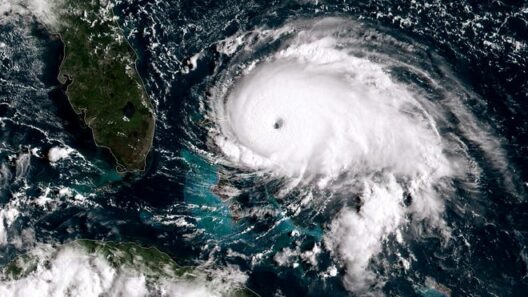
Extreme weather is perhaps the most visible manifestation of climate change. Hurricanes, droughts, heatwaves, and heavy rainfall are projected to increase in frequency and intensity. Previous trends provide a telling preview. For instance, the Atlantic hurricane season has become more active, with scientists attributing this uptick to warmer ocean temperatures. As storms build strength over warmer waters, they generate more rainfall and destructive winds.
The Intergovernmental Panel on Climate Change (IPCC) has indicated that by mid-century, if current fossil fuel consumption patterns persist, regions across the globe could see a significant spike in severe weather events. The Southern United States and Caribbean islands face an alarming risk of catastrophic hurricanes, while drought-prone areas such as the Mediterranean and western U.S. may see devastating water shortages.
Rising Sea Levels
Alongside extreme weather events, rising sea levels are threatening coastal communities. The melting of polar ice caps and glaciers is contributing to this phenomenon, with estimates projecting a rise of between one to three feet by 2100 if greenhouse gas emissions continue unabated. For low-lying nations like the Maldives and parts of Bangladesh, even a modest increase poses an existential threat.
Urban areas located near coastlines are in jeopardy. Cities such as Miami, New Orleans, and New York face the impending reality of flooding due to storm surges, necessitating costly infrastructure adaptations or retreats. The timeline for these disasters is becoming increasingly pressing; some scientists forecast that significant flooding events may occur as soon as the next decade. This highlights the urgency of addressing climate change now before we are rendered reactive rather than proactive.
Biodiversity Loss
The ramifications of global warming extend to the natural world. Biodiversity is under siege as ecosystems collapse under the strain of altered temperatures and changing weather. Species migration, habitat destruction, and increased vulnerability to disease are just a few of the consequences that arise from a warming climate.
Coral reefs, often referred to as the oceans’ lungs, face severe bleaching due to rising sea temperatures. Predictions suggest that if current trends continue, we could witness a devastating loss of coral reefs by as early as 2040. This ecological disaster would not only decimate marine life but also affect global food security and coastal economies heavily reliant on marine biodiversity.
Societal Upheaval
The societal implications of climate change are perhaps the most insidious. As resources dwindle due to extreme weather and rising sea levels, tensions can escalate into conflicts. Historical context shows that when resource scarcity arises, disputes over land, water, and food can lead to civil unrest and migration crises.
Regions already vulnerable to political instability may experience exacerbated challenges as climate impacts unfold. The Middle East and parts of Africa are particularly susceptible to food insecurity and water shortages, which may lead to societal collapse and mass migration. These migratory patterns could result in a domino effect, impacting neighboring countries and potentially leading to geopolitical crises as nations grapple with an influx of climate refugees.
Mitigation and Adaptation Strategies
While the outlook may seem dire, there remains a critical vector for change: mitigation strategies. International agreements like the Paris Accord aim to limit global temperature increases, focusing on reducing carbon emissions. Transitioning to renewable energy sources such as solar, wind, hydroelectric, and geothermal power can significantly decrease reliance on fossil fuels.
Additionally, adapting our infrastructure and urban planning to withstand climate impacts is imperative. This can include building seawalls, redesigning drainage systems, and adopting sustainable agriculture practices to enhance resilience against climatic variations.
Conclusion
The horizon is indeed fraught with potential catastrophes if global warming continues unabated. From extreme weather events to social upheaval, the stakes are incredibly high. The critical question is whether humanity will respond with the urgency required to mitigate these outcomes. Recognizing the time-sensitive nature of climate change can inspire actionable solutions. As awareness spreads and collective action emerges, the trajectory of our planet may shift towards a more sustainable future. The time to act is now, as the clock is ticking down on our chance to prevent disaster and protect our planet for future generations.