


Carbonated beverages are ubiquitous in modern society, a staple in many households, parties, and restaurants. However, as the world grapples with the intricate web of climate change, questions arise about the environmental impact of our daily indulgences. Do carbonated drinks, often viewed as mere refreshment, contribute significantly to global warming? This inquiry invites us to dissect myths, analyze processes, and explore the implications of our consumption choices.
At first glance, it might seem far-fetched to link a fizzy drink with rising global temperatures. Carbonated beverages encompass a wide range of drinks, including sodas, sparkling waters, and flavored seltzers. The process of producing and consuming these drinks entails a multifaceted supply chain, and each step can have varying levels of environmental impact. It is critical to delineate the sources contributing to greenhouse gas emissions associated with these beverages.
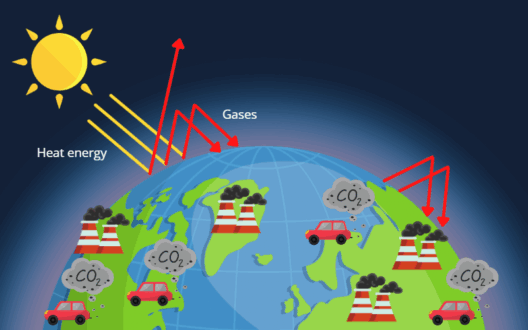
One key area of concern is the production of carbon dioxide (CO2), which gives carbonated drinks their effervescence. The gas is integral to the beverage’s character; however, the method of its production plays a pivotal role in environmental consequences. In many instances, CO2 is not a direct pollutant; rather, it is a byproduct of natural processes like fermentation or the combustion of fossil fuels. When extracted from industrial processes, the emissions linked to CO2 can introduce a significant carbon footprint. This raises pressing questions: What alternatives exist for carbonation? Can we source CO2 sustainably?
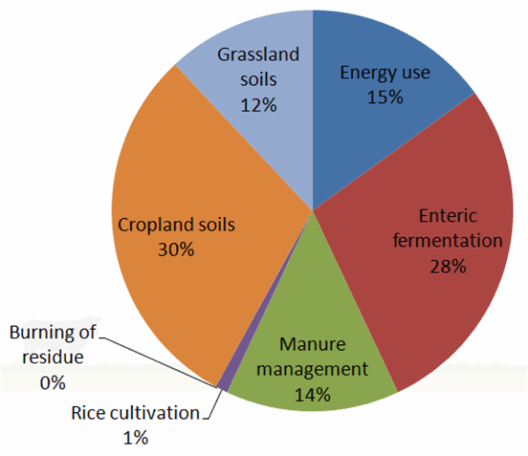
Moreover, the ingredients used in carbonated drinks must not be overlooked. High-fructose corn syrup, artificial flavors, and sweeteners are commonly employed. Before they ever reach your local grocery store, these ingredients have undergone extensive agricultural and industrial processes, often involving fertilizers, pesticides, and extensive water usage, all of which contribute to soil degradation, water contamination, and greenhouse gas emissions. The cultivation of crops such as corn, for example, is notorious for its carbon-intensive nature due to the demand for monoculture practices and synthetic fertilizers.
Packaging is another essential element of the carbonated beverage lifecycle. Most drinks come in plastic, glass, or aluminum containers, each of which presents a unique environmental challenge. Plastic pollution is an emerging crisis, with its breakdown products contaminating soil and waterways. Aluminum production, while recyclable, is energy-intensive and often involves mining bauxite, which can devastate ecosystems. The carbonated beverage industry has made strides in utilizing recycled materials, yet innovation lags behind the urgency needed to combat climate change.
Transportation further compounds the environmental footprint of carbonated beverages. The distribution process encompasses extraction to production, packaging to transportation, resulting in considerable fossil fuel emissions. A drink traversing great distances adds to its carbon impact, and local sourcing could substantially mitigate this effect. Support for local producers might encourage carbon reduction and stimulate regional economies.
Additionally, let us consider consumer behavior. A significant portion of greenhouse gas emissions stems from consumption patterns. Carbonated beverages, consumed indiscriminately, can form part of an indulgent lifestyle that prioritizes convenience over sustainability. As awareness of climate change grows, so too does the responsibility of consumers to make informed choices. By selecting beverages that prioritize sustainable practices, individuals can help curtail environmental degradation.
It is crucial to address the ongoing myths surrounding carbonated drinks and their supposed singular contribution to global warming. Some argue that carbonated beverages should be entirely vilified or banned. However, this perspective lacks nuance. It is not merely the beverages that pose a threat; rather, it is the intricate interplay of systems in food production and consumption that warrants scrutiny. Instead of labeling carbonated drinks as entirely detrimental, we might examine how reform within the industry can improve their sustainability.
Education plays a pivotal role in transforming our understanding. As consumers become more aware of the environmental implications of their choices, they can drive a demand for transparency and accountability across the beverage industry. Healthier production practices that prioritize environmental integrity can emerge through consumer pressure, forcing companies to rethink their models.
Waste disposal and recycling are also integral to the discourse on sustainability. While certain systems are in place, improved infrastructure can foster better outcomes. Investment in recycling technology can convert used containers into new products, thus reducing the necessity for virgin materials and minimizing emissions. Businesses that advocate for closed-loop systems demonstrate a commitment to sustainability and create awareness about waste consciousness.
Finally, it is vital to recalibrate our expectations regarding the future of carbonated beverages. The industry is at a turning point. Innovation beckons—from plant-based carbonation alternatives to eco-friendly packaging solutions. By advocating for a drastic pivot towards sustainable practices, stakeholders in the beverage industry can proactively contribute to a solution-oriented approach to climate change.
In conclusion, while carbonated beverages are not solely responsible for global warming, their indirect contributions cannot be ignored. The quest for sustainable carbonated drinks necessitates a collective commitment to innovation, consumer education, and responsible choices. It is through this multifaceted approach that we can begin to diminish their impact and, subsequently, work towards a more stable climate for generations to come. As we indulge in our carbonated pleasures, let us remain mindful of our sequential effects on the planet, fostering a more harmonious relationship with Earth.