

In the ever-evolving discourse surrounding climate change, a pivotal question emerges: do factories and industrial activities play a significant role in the development of global warming? This inquiry beckons for a nuanced exploration, delving deep into the intricate interplay between industrialization and the burgeoning crisis of climate change.
To grasp the magnitude of the impact that factories and industrial activities have on global warming, one must first comprehend the concept of greenhouse gas emissions. Greenhouse gases (GHGs), such as carbon dioxide (CO2), methane (CH4), and nitrous oxide (N2O), have an insidious capacity to trap heat in Earth’s atmosphere, leading to a gradual increase in global temperatures. The proliferation of industrial activities, particularly since the onset of the industrial revolution, has significantly augmented the atmospheric concentration of these gases.
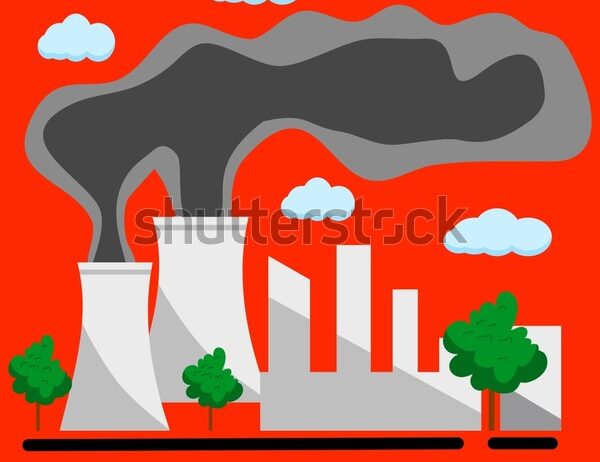
Industrial activities encompass a broad spectrum of processes, each contributing variably to GHG emissions. Manufacturing plants, power generation facilities, cement production, and even waste management systems are notable contributors. For instance, fossil fuel combustion for energy generation in factories remains one of the primary sources of CO2 emissions. The irony lies in the dependence of modern economies on industrial output, often at the expense of ecological health. Factories produce goods that drive economic growth and innovation, yet they simultaneously spew pollutants that foster global warming.
The statistics are alarming and unequivocal. According to various studies, industrial activities contribute nearly a quarter of global GHG emissions. The manufacturing sector alone is responsible for about 21% of these emissions, driven predominantly by high energy consumption and inefficient technologies. Moreover, sectors such as oil refining and chemical manufacturing are among the hardest hit, indicating a profound need for a paradigm shift in industrial practices.
Transitioning away from fossil fuels toward renewable energy sources is not merely a suggestion; it is an imperative for mitigating climate change. Solar, wind, and hydroelectric power offer sustainable alternatives to fossil fuels, significantly reducing the carbon footprint of industrial activities. The advent of electric vehicles within manufacturing logistics exemplifies the potential of sustainable technologies to decrease emissions and curtail reliance on carbon-intensive resources.
In addition to energy sources, the materials used within the industrial sector must undergo re-evaluation. The utilization of sustainable materials is a crucial component in curbing global warming. For instance, replacing traditional cement with alternative binders can dramatically reduce emissions associated with construction and building materials. Innovative strategies such as circular economy principles, which emphasize recycling and reusing materials, can further diminish waste and pollution.
Moreover, factories and industrial sectors must adopt stringent environmental regulations and environmentally friendly practices. Sustainable processes mitigate emissions at the source through advanced technologies. For example, the implementation of carbon capture and sequestration methods can significantly lessen the amount of CO2 emitted during industrial processes. By capturing CO2 before it enters the atmosphere, industries can transform part of their operations from being a major GHG contributor to a facilitator of environmental preservation.
The intersection of climate regulations and industrial activities raises another pertinent issue: economic implications. A common argument posits that stringent environmental regulations may stifle economic growth. However, this perspective can be misleading. In fact, the transition to a greener economy can spur job creation in emerging sectors focused on sustainability. The burgeoning field of renewable energy alone has produced millions of jobs worldwide, and the shift toward smart factories represents an evolutionary leap that can harmonize economic growth with ecological responsibility.
Consumer choices also wield significant power over industrial practices. As awareness of climate change escalates, consumers increasingly demand environmentally friendly products. This creates an economic incentive for factories to innovate and adopt greener technologies. Brands that commit to sustainability can enhance their market position, attract conscientious consumers, and distinguish themselves in a competitive landscape. The relationship between consumer preferences and industrial output thus serves as a dynamic catalyst for change.
Nonetheless, the road ahead remains fraught with challenges. Resistance from entrenched interests within industries heavily reliant on fossil fuels poses a formidable obstacle. The inertia of traditional practices and the financial implications of transitioning to greener alternatives can impede progress. Thus, collective action—encompassing policymakers, businesses, and consumers—is essential to propel this transformative journey forward.
Ultimately, addressing global warming necessitates a fundamental re-evaluation of the relationship between factories, industrial activity, and environmental stewardship. The path to a sustainable future lies in reframing our understanding of industrial practices—not as inevitable harbingers of pollution but as potential allies in the battle against climate change. By embracing innovative technologies, sustainable materials, and robust regulatory frameworks, industries can pivot toward a greener future, fostering both economic resilience and ecological harmony.
In conclusion, the interplay between factories, industrial activity, and global warming is complex and multifaceted. The need for immediate action cannot be overstated. By harnessing the power of innovation, embracing sustainability, and challenging the status quo, society can mitigate the adverse effects of industrial activities on our planet. The promise of a sustainable future relies on our collective willingness to alter previous paradigms and to envision a world where industrial progress does not come at the expense of environmental harmony.