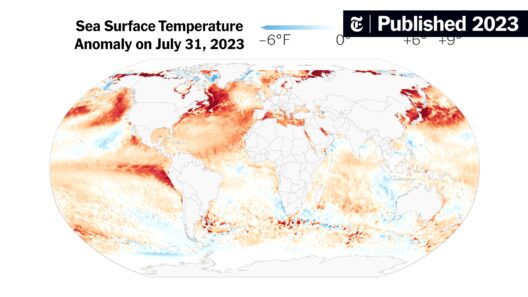



Global warming has emerged as one of the most pressing issues afflicting our planet. With a multitude of scientific evidence pointing to a drastic rise in average global temperatures and alterations in climatic patterns, a critical inquiry looms large: do humans really have any impact on global warming? The answer, supported by extensive research, is a resounding yes. However, the paths leading us to this conclusion are vast and complex, involving a multitude of scientific disciplines, economic frameworks, and societal norms.
The phenomenon of global warming primarily hinges on the greenhouse effect, a natural process whereby certain gases in Earth’s atmosphere trap heat from the sun, thereby warming the planet. The key components of this process are carbon dioxide (CO2), methane (CH4), and nitrous oxide (N2O), among others. While these gases occur naturally, human activity has exponentially increased their concentration. Activities such as burning fossil fuels, deforestation, and industrial processes have led to unparalleled emissions of greenhouse gases, marking a distinct shift in the Earth’s climate record.
In the late 20th century, scientists noticed a troubling upward trend in global temperatures. The Intergovernmental Panel on Climate Change (IPCC) was formed as a consortium of leading climate scientists to synthesize research findings related to climate change. Their assessment concluded that human influence on the climate system is evident and has caused substantial and often irreversible changes to the environment. This assessment illuminates the fact that humans have transitioned from being mere observers of the natural climate to active participants in altering it.
It is critical to understand the role of fossil fuels in this equation. The industrial revolution marked the beginning of an era that exponentially increased reliance on coal, oil, and natural gas. The combustion of these fuels generates substantial amounts of CO2, which contributes predominantly to rising global temperatures. The data reveal that since the late 19th century, atmospheric CO2 levels have surged by more than 40%. This staggering increase is telling; it is scientifically correlated with the unprecedented warming observed over the past century.
Moreover, one must consider the anthropogenic alterations to terrestrial and aquatic ecosystems. Deforestation plays a dual role in this narrative. Trees and vegetation function as carbon sinks, absorbing CO2 from the atmosphere. When forests are cleared for agriculture or urban development, not only is this absorptive capacity diminished, but the act of cutting down trees releases stored carbon back into the atmosphere. This cyclical destruction exacerbates global warming and disrupts local and global ecosystems.
Similarly, the agricultural sector presents another conduit through which humans influence climate change. Livestock farming is particularly notorious for generating significant amounts of methane, a greenhouse gas that is over 25 times more potent than CO2 over a 100-year period. Intensive agricultural practices, characterized by monoculture and the excessive use of fertilizers, further promote nitrous oxide emissions, compounding the problem. This intricate web of human-induced factors showcases the multifaceted relationship between human activity and climate change.
In recent discourse, one might ponder whether technological advancements and renewable energy sources provide a glimmer of hope. The proliferation of solar, wind, and hydroelectric power are pivotal; they illustrate humanity’s potential to mitigate the deleterious effects of fossil fuel consumption. Transitioning to these sustainable energy sources could substantially reduce overall greenhouse gas emissions and provide cleaner alternatives for future generations. This shift is not merely a technical pivot; it also beckons a broader societal transformation in how energy is perceived and utilized.
However, this shift comes with challenges. Resistance often arises due to socio-economic factors. The fossil fuel industry is deeply entrenched in the global economy, providing jobs and energy to countless communities. Thus, the transition towards sustainable practices requires not just technological innovation but also a re-evaluation of economic paradigms and workforce re-skilling. Forums that foster dialogue between policymakers, scientists, and communities are essential to cultivate a viable path forward.
Interestingly, the role of policy and governance cannot be understated. International accords, such as the Paris Agreement, signify collective recognition of climate change as a paramount global crisis. These agreements encourage nations to adopt measures that curtail emissions and foster resilience against climate-related impacts. Policy frameworks aligned with scientific consensus are pivotal in steering individual nations and the global community toward significant behavioral changes.
Furthermore, the importance of education and public awareness cannot be diminished. Sparking curiosity and fostering knowledge through comprehensive environmental education can catalyze grassroots movements that demand action. Individuals equipped with understanding can advocate for policy changes, influence market dynamics, and alter consumption patterns. This societal mobilization is pivotal for effective climate advocacy.
Lastly, it is crucial to reaffirm the individual’s power within the collective. Each small action contributes to a broader movement. From reducing waste and conserving energy to supporting businesses that prioritize sustainability, each effort counts. Collective consciousness surrounding climate change has never been more vital, creating synergy between individual actions and systemic changes.
In conclusion, the evidence overwhelmingly supports the view that humans do indeed play a significant role in global warming. Our historical trajectory, marked by industrialization and unsustainable practices, has set us on a perilous course. However, the narrative is not entirely grim. Through concerted efforts in policy-making, technological innovation, and public engagement, humanity holds the potential to recalibrate its trajectory. The question is no longer whether we impact global warming; rather, it is how swiftly and effectively we can mobilize to stave off further harm to our planet.