

In an age where energy efficiency is not merely a luxury but a necessity, the advent of inverter appliances has revolutionized our approach to consumption. Picture, if you will, a chameleon—an entity that adapts and evolves to its surroundings. Similarly, inverter appliances flaunt their ability to adjust energy usage according to real-time demands, promising a spectrum of efficiency and savings. But do these devices genuinely conserve energy, or do they merely inflate our initial costs? This inquiry delves into both aspects, unearthing the economics and environmental implications of inverter technology.
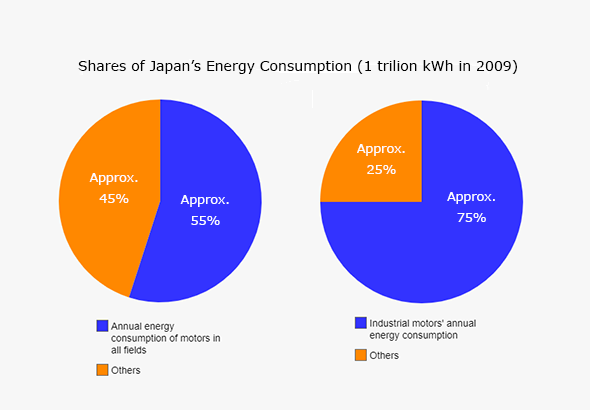
The cornerstone of understanding inverter appliances lies in grasping their operational mechanics. Unlike traditional appliances that function in a rigid on-off cycle, inverter technology employs a dynamic variable speed mechanism. Imagine a vehicle that seamlessly shifts gears—this is how inverters optimize energy consumption. They modulate power output, minimizing wastage and ensuring that energy is harnessed more efficiently. This translates into palpable benefits such as reduced electricity bills and lower greenhouse gas emissions.
However, such sophistication comes at a price. The initial investment in inverter appliances is typically higher than their conventional counterparts. This raises the pivotal question: do the long-term savings outweigh the upfront costs? The answer is often yes, though several variables must be considered.
To illustrate, consider the world of HVAC systems. An inverter air conditioning unit operates by adjusting its compressor speed, thereby maintaining a set temperature without extreme fluctuations. In contrast, a traditional air conditioner continuously starts and stops, expending significant energy during these transitions. Consequently, the adaptive nature of inverter technology not only fosters comfort but also diminishes energy expenditure over time.
When evaluating cost-effectiveness, one must take a holistic view. The average lifespan of inverter appliances often exceeds that of conventional models. This durability translates into fewer replacements and, by extension, a diminished environmental footprint. It’s a long game—where short-term spending gives way to long-term savings and sustainability. Repeatedly, the narrative indicates that while initial investments can be daunting, the return often manifests in reduced operating costs and longevity.
But the allure of inverter technology is not solely embedded in financial pragmatism. There exists an undeniable appeal in the quieter operation and refined performance of these appliances. The proverbial silence of the butterfly juxtaposes the thunderous beat of a traditional motor. The serene ambiance fostered by inverter fans and refrigerators is a testament to engineered precision. This dual advantage—efficiency and comfort—acts as a compelling draw for consumers who prioritize noise reduction in their living quarters.
Beyond consumer appeal, there’s a broader ecological discourse at play. As the specter of climate change looms larger with each passing day, the transition to energy-efficient technologies such as inverter systems becomes imperative. National and global initiatives aimed at curbing carbon footprints can find allies in the adoption of these appliances. By reducing electricity demand, inverter technology helps ease the strain on power grids and decreases the necessity for fossil fuel-based energy production.
Notably, inverter appliances can catapult us towards achieving sustainability goals, but this progress is not without its challenges. The manufacturing processes for these devices often involve materials and components that can be environmentally detrimental. From the mining of rare earth elements to the disposal of electronic waste, the lifecycle of inverter appliances is complex. Thus, a comprehensive evaluation must encompass not only the operational efficiency but also the ecological ramifications of production and disposal.
Transcending the metrics of energy savings and environmental impact, we encounter the realm of technology and innovation. The continuous evolution of inverter technology—incorporating smart features like remote monitoring and integration with renewable energy sources—encapsulates an exciting frontier. By blending artificial intelligence and machine learning, modern inverters can adjust to consumption patterns, further enhancing efficiency. As a result, consumers are empowered with unprecedented control over their energy use, fostering an informed and conscientious approach to consumption.
In the balance of this dialogue, it is essential to recognize that consumers wield significant influence. Armed with knowledge, they can make informed decisions, weighing the nuanced benefits against the initial costs. The interplay of energy conservation and economic sensibility invites a reconsideration of purchasing paradigms. More succinctly put, every choice echoes beyond mere cost—creating ripples that can either mitigate or escalate our environmental crisis.
Ultimately, the narrative surrounding inverter appliances offers an intriguing crossroad. They are both a testament to engineering marvels and a reflection of consumer responsibility. To embrace inverter technology means to advocate for a paradigm shift—a transition toward sustainable living infused with energy consciousness. In a world fraught with climatic uncertainty, our choices today will invariably shape the fabric of our future. Therefore, investing in inverter appliances may be a prudent move—for pocket and planet alike.
In conclusion, the question lingers: do inverter appliances genuinely conserve energy, or merely cost more? The evidence leans toward the former, albeit with caveats. A judicious approach endorses their potential, illuminated by long-term savings and ecological benefits. As we forge ahead, the trail of inverter technology not only marks the path of efficient living but also positions us as stewards of our environment, capable of enacting tangible change.