


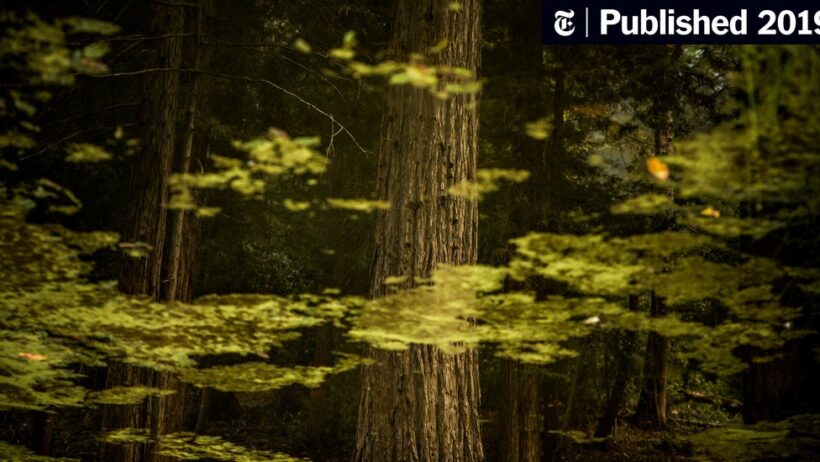

As the global community grapples with the ever-pressing dilemma of climate change, the role of forests becomes increasingly paramount. Among the tree species that populate our forests, pines and fir trees, both belonging to the conifer family, emerge as substantial players in sequestering carbon and mitigating global warming. Understanding their ecological significance unveils the complex interplay between these trees and their environment, emphasizing the urgent need for conservation and reforestation efforts.
Pines and fir trees thrive in various climates, from temperate regions to montane ecosystems, showcasing adaptability that is crucial in a changing climate. Pines, known for their resilient nature, adapt to inhospitable soils where other species may falter. They establish expansive root systems, enabling water absorption and soil stabilization, while firs, with their more limited ranges, often dominate the denser, cooler forests. Both contribute to carbon capture through the process of photosynthesis. Trees absorb carbon dioxide (CO2) from the atmosphere, a chief greenhouse gas responsible for climate change, and convert it into biomass – encompassing trunks, branches, leaves, and roots.
Moreover, the growth rates of these trees can significantly influence their carbon storage capabilities. Fast-growing species, such as the eastern white pine, can sequester substantial amounts of carbon in a relatively short period. In contrast, slower-growing fir species, like the balsam fir, may take longer to reach maturity, but they can sequester carbon effectively over extended lifespans. The longevity of pines and firs uniquely positions them as vital carbon sinks over decades, even centuries, making their preservation integral to long-term climate strategies.
Beyond carbon sequestration, pines and fir trees provide an array of ecological benefits that further bolster their role in combating global warming. They play a critical role in maintaining biodiversity, offering habitat for myriad species, from birds to mammals, and contributing to a healthy, balanced ecosystem. The presence of diverse flora and fauna enhances ecosystem resilience, enabling forests to withstand climate stresses such as pests or disease outbreaks. Healthy ecosystems have a greater capacity to adapt to changing conditions and continue providing essential services, including air purification and water regulation.
Furthermore, these trees significantly influence local climates. Through a process termed transpiration, they release moisture into the atmosphere, contributing to cloud formation and precipitation patterns. This role is particularly vital in arid regions, where maintaining soil moisture can drastically impact local agriculture and water availability. By fostering a cooler microclimate, pines and firs can help regulate temperatures, reducing the urban heat island effect in surrounding areas.
The question arises: how can human intervention enhance the carbon sequestration potential of these vital tree species? Reforestation and afforestation efforts can play a significant role in expanding forest cover, thereby increasing the number of carbon sinks globally. Strategic planting of pines and firs can restore degraded lands, promote soil health, and initiate a feedback loop of climate mitigation. However, careful consideration of local ecosystems is paramount, as introducing non-native species may disrupt existing ecological balances.
In addition to reforestation, sustainable forest management practices can ensure that existing forests remain healthy and productive. This encompasses selective logging practices that reduce impact on forest structure, as well as ongoing maintenance to prevent pest infestations and diseases that can devastate tree populations. Techniques such as controlled burns can reduce the risk of catastrophic wildfires, which would otherwise release stored carbon back into the atmosphere. Such proactive measures are critical in safeguarding the extensive carbon reservoirs that pines and firs represent.
The effects of climate change pose additional threats to pines and firs, primarily through increased susceptibility to pests and diseases. For instance, higher temperatures can drive the expansion of bark beetles into new territories, wreaking havoc on weakened tree populations. Forest resilience becomes vital in combatting such crises, necessitating enhanced research to understand and mitigate these vulnerabilities. Additionally, conservation projects that emphasize genetic diversity within these species can bolster resilience against the changing climate, providing a buffer against rapid environmental shifts.
The significance of pines and fir trees extends beyond their physical presence. These trees have birthed cultural and spiritual connections for many communities, representing endurance, discovery, and solitude. Advocating for their preservation intertwines with safeguarding cultural heritages and ecosystems that have evolved symbiotically alongside them for centuries. Such connections highlight the interconnectedness of all living beings and the urgent call to action against climate change.
In conclusion, the multifaceted relationship between pines, firs, and global warming cannot be overstated. Their ability to sequester carbon, influence local climates, and provide ecological value positions them as pivotal allies in combating climate change. To harness the full potential of these trees, we must prioritize conservation, promote responsible management, and engage in robust reforestation initiatives. As stewards of our planet, recognizing and acting upon the critical role that pines and fir trees play in our ecosystem can pave the way for a more sustainable and resilient future.