

In the prosaic landscape of modern consumerism, plastic water bottles stand as ubiquitous artifacts—convenient, light, and deceptively innocuous. Yet, beneath this veneer of convenience lies a darker narrative, one that spirals into the heart of global warming. The journey of a single plastic bottle encapsulates a series of ecological missteps, beckoning us to scrutinize our casual choices. These vessels of hydration, though designed to serve our needs, become harbingers of environmental degradation and climate turmoil.
The manufacture of plastic water bottles is an alchemical process, transforming crude oil into a lightweight polymer known as polyethylene terephthalate (PET). This metamorphosis unfolds through a labyrinthine supply chain, commencing with the extraction of fossil fuels, which are the bedrock of many plastics. Extraction incurs significant carbon emissions, as machinery roars to life, tearing into the earth’s crust.
As production escalates, the environment bears the heavy toll in greenhouses gases. Indeed, it’s estimated that producing a single plastic bottle emits approximately 82 grams of CO2, a seemingly small figure that aggregates exponentially when scaled against the billions of bottles manufactured annually. This relentless conveyor belt of production embeds itself deeply into the climate crisis, contributing to the inexorable rise in atmospheric temperatures.
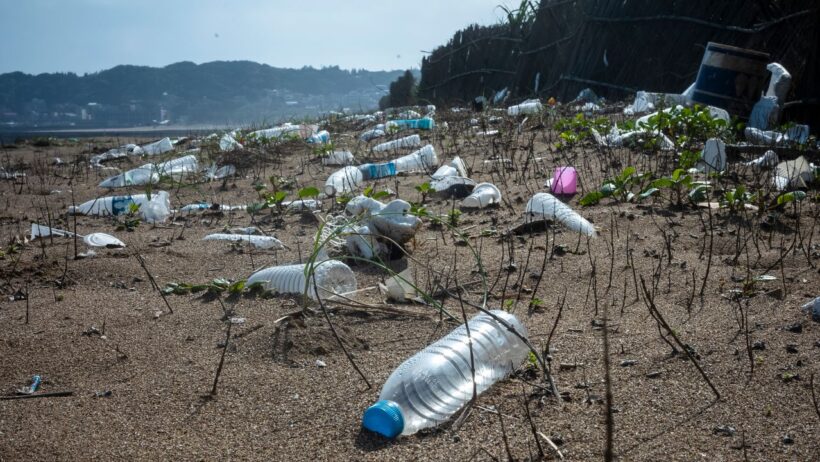
After serving its ephemeral purpose, the plastic bottle embarks on a different chapter in its life. The journey does not end at disposal; rather, it perpetuates an insidious cycle of waste and pollution. If cast aside or improperly discarded, these bottles can persist in the ecosystem for hundreds of years, forming an unyielding alliance with nature’s elements. Within this protracted lifecycle, microplastics emerge as insidious specters, infiltrating our waterways and, ultimately, our food systems.
The overarching question lingers: how does this cascade of events contribute directly to global warming? The interplay is intricate yet undeniable. The accumulation of plastic waste generates methane—a potent greenhouse gas—through its degradation in landfills. Moreover, oceans, flooded with this artifice of humanity, endure devastating impacts. Plastic debris fouls marine habitats, obstructs photosynthesis in aquatic plants, and ironically, exacerbates climate change by undermining the very organisms that sequester carbon.
Simultaneously, the disposal process of plastic bottles manifests its own brand of ecological malfeasance. While recycling initiatives attempt to alleviate some of the burden, the reality is grim. A paltry percentage of plastic is successfully recycled; it is estimated that only 9% ever gets repurposed. The majority of plastic resides in landfills or yields into the oceans, bolstering the narrative of inevitability. Recycling plants consume vast amounts of energy, often derived from fossil fuels, further augmenting carbon output.
In assessing the carbon footprint of single-use versus reusable options, the disparity becomes evident. A reusable water bottle, often crafted from stainless steel, exhibits a dramatically lower carbon footprint over its lifecycle. By eschewing the transient convenience of disposability in favor of durability, one can diminish plastic production demands and mitigate the latent emissions tied to it.
To enhance this conversation, one must also address the overpowering allure that plastic water bottles represent. They symbolize a lifestyle of speed, efficiency, and often, an assumed ignorance of their environmental consequences. Marketing campaigns have effectively enshrined these vessels into mainstream culture, associating hydration with leisure and jet-set lifestyles. This relationship cultivates a deeply entrenched habit, further complicating the discourse surrounding sustainability.
As an alternative, consider the narrative of water sourced directly from the local tap. The environmental implications are stark; municipal tap water, safeguarded by strict regulatory frameworks, substantially reduces the energy demands associated with bottling and shipping. This not only diminishes the carbon footprint but also supports local economies, fostering community engagement in the preservation of water resources.
The onus of change cannot reside solely with consumers; corporations must reckon with their roles. Transparency in supply chains, innovative alternatives, and commitment to sustainability are non-negotiable prerequisites for genuine progress. When companies proactively invest in sustainable practices, such as utilizing biodegradable materials or establishing robust take-back programs, they forge pathways toward a future that minimizes the environmental impact of water consumption.
Ultimately, while the alluring sheen of plastic water bottles may initially captivate, their environmental ramifications paint a more disturbing portrait. As stewards of Earth’s delicate ecosystem, an unyielding commitment to re-evaluation is requisite. Transitioning from convenience to conscientiousness necessitates a cultural shift, demanding that individuals, communities, and corporations alike seek sustainable alternatives. The time has come for a collective awakening, where the question is no longer whether plastic bottles contribute to global warming, but rather how rapidly we can revolutionize our choices to thwart this looming crisis.