


The concept of global warming often evokes an immediate wave of concern, particularly when its dire ramifications unfold before our eyes. Yet, beneath this blanket of apprehension lies a complex tapestry of geopolitical interests, revealing a paradox: some countries might not only tolerate, but subtly welcome the phenomena associated with a warming planet. The narrative is not merely black and white; it is an intricate interplay of opportunity and peril, where certain nations stand to benefit from the evolving climate landscape.
Beginning with the Arctic Circle, as the temperature rises, vast ice sheets are melting, unveiling previously inaccessible natural resources. For countries like Russia, this melting presents an unprecedented opportunity. The Northern Sea Route, once impenetrable, is now emerging as a viable shipping corridor. This Arctic pathway reduces the time and cost associated with maritime transport, allowing for expedited access to global markets. Russia’s strategic investments in icebreakers and ports exemplify a nation keenly aware of the economic windfall that accompanies global warming, revealing an often overshadowed perspective where environmental degradation unfolds as a lucrative venture.
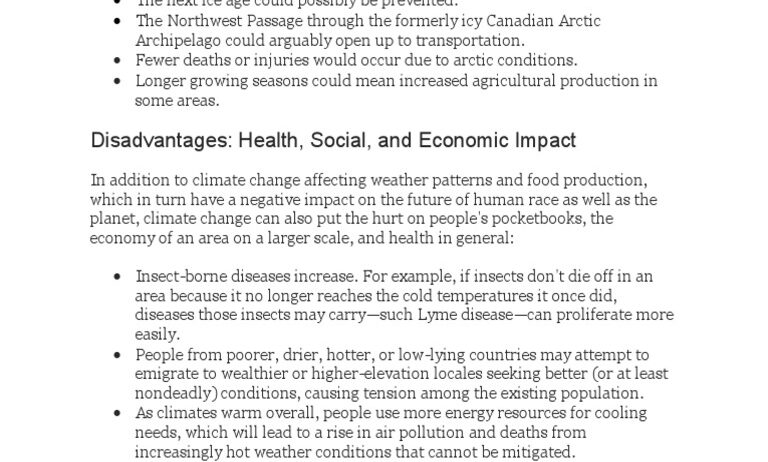
Similarly, Canada, with its expansive land and natural resources, perceives potential advantages in a warming climate. The thawing of permafrost promises an increase in arable land, allowing agricultural sectors to expand their horizons. Once frozen ground, unproductive and sterile, may soon awaken to the cultivation of grains, oils, and other crops. This shift not only enhances food security but positions Canada as a significant player in the global agricultural market, particularly as climate change threatens food supplies in other regions. It is a dual-edged sword, where climate change could transform a nation’s economy at the expense of ecological harmony.
Beneath the surface of these advantages lies the striking reality that such benefits are contingent on a precarious balance. The countries basking in the supposed advantages of global warming are largely those already equipped with the resources and capabilities to adapt to these changes. For less developed nations, the ramifications are starkly grim. The agricultural bounty may come at a cost, as increased weather volatility continuing to plague ecosystems renders traditional farming practices untenable. Thus, while some nations flex economic muscles, others face an existential struggle.
Moreover, access to the Arctic’s agricultural prospects and energy resources hinges on political diplomacy, international regulations, and territorial assertions. These complexities paint a picture of geopolitical tension, where countries vie for control over new territories emerging from the thaw. It isn’t merely the advent of new resources that instigates competition; it’s the lingering threat of ecological and humanitarian crises facing countries ill-prepared for the changes forced upon them by a warming world. Thus, while some nations might perceive glimmers of opportunity, others remain trapped within an oppressive reality, indelibly shaped by unnatural climatic transformations.
To further explore the nuanced appeal of climate shifts, we must consider the phenomenon of climate migration. Countries like Norway and Sweden could benefit from an influx of immigrants fleeing the climatic calamities of their homelands. As territories sink beneath rising seas or succumb to relentless droughts, these nations could bolster their labor forces, tapping into the potential of displaced populations eager for stability and opportunity. However, the societal implications of such migrations remain to be seen. The welcoming of new residents may invigorate economies, yet it also necessitates an uncomfortable dialogue around integration, identity, and cultural preservation—questions that could define the future of these nations.
Turning our attention to the southern hemisphere, we find countries like Brazil and Argentina, which may also perceive incremental advantage in a changing climate. Increased carbon dioxide levels can enhance photosynthesis, leading to greater crop yields in regions that are already warm. Farmers might rejoice over extended growing seasons, improved harvests, and higher profitability. However, this bountiful prospect is accompanied by the ghostly specter of deforestation and biodiversity loss. The pursuit of agribusiness can swiftly escalate into ecological crises, where the allure of short-term gain overshadows the intrinsically interconnected relationship between agriculture and the environment.
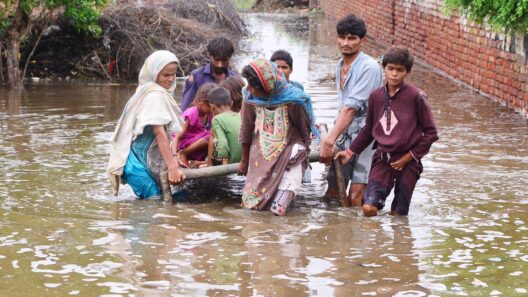
Meanwhile, island nations like those in the Pacific face an opposite trajectory. Countries such as Tuvalu or the Maldives are on the precipice of catastrophe as rising sea levels threaten their very existence. In stark contrast to the perceived benefits that others may embrace, these regions confront the harrowing reality of displacement and cultural extinction. The irony of their plight underscores the uneven nature of climate change: while some nations revel in newfound possibilities, others grapple with an existential threat that looms large over their histories, identities, and futures.
Ultimately, the question of whether some countries benefit from global warming becomes a philosophical conundrum. It poses the fundamental inquiry: at what cost does one nation’s gain infringe upon another’s survival? Countries that presently revel in potential advantages must recognize the ethical implications of their pursuits. The intricate web of climate change weaves a complex narrative filled with diamonds buried in the rough, yet these jewels are often found at the expense of others. Thus, the charm of advantage is laced with the somber reminder that this new reality is embroiled in inequities, struggles, and the persistent shadow of environmental choice that transcends borders.
In conclusion, while some nations may find golden opportunities amid the swirling turmoil of global warming, the broader dialogue must transcend the mere dichotomy of profit or loss. It requires an acute awareness of our shared responsibility to mitigate climate change’s effects, ensuring that potential gains for some do not precipitate ruin for others. The true challenge lies not in celebrating the elusive allure of opportunity but in fostering cooperation and stewardship to address the pressing need for a balanced, sustainable future.