



Global warming, a phenomenon tethered to the increasing concentration of greenhouse gases (GHGs) in the atmosphere, has emerged as one of the most pressing challenges confronting humanity. While emissions exist on a global scale, the United States has often been scrutinized for its substantial contribution to this predicament. This discourse examines whether the actions of individuals and institutions within the U.S. precipitate greater global warming than those of other countries, delving into the multifaceted layers of emissions, lifestyle choices, and policies that characterize American society.
To begin, it is critical to understand the overarching mechanisms of global warming. The primary culprits—carbon dioxide (CO2), methane (CH4), and nitrous oxide (N2O)—are emitted through various anthropogenic activities. The combustion of fossil fuels for energy, deforestation, industrial processes, and agricultural practices are leading contributors. Analyzing GHG emissions from countries reveals staggering disparities that often hinge on economic structure, population density, and consumption patterns.
The United States, notwithstanding its relatively small population compared to global giants like China and India, has historically had one of the highest per capita emissions of CO2. This distinction is pivotal because individual contributions often dictate the cumulative impact of a nation. In 2020, the U.S. emitted approximately 5.1 billion metric tons of CO2, a figure that, despite recent declines, underscores the country’s legacy as one of the most significant GHG emitters worldwide. This statistic is not merely a number; it represents the sum total of human activities and consumption habits that exude carbon and intensify the greenhouse effect.
It is pertinent to juxtapose U.S. emissions with those of other nations. China, for instance, currently leads the globe in total CO2 emissions, primarily due to its rapid industrialization and reliance on coal as a primary energy source. However, per capita emissions tell a different story. While China’s total emissions exceed those of the United States, its per capita figures are significantly lower, indicating a more collective approach to energy consumption. In contrast, the U.S. lifestyle is characterized by higher energy consumption per person, influenced by factors such as transportation choices, housing sizes, and consumer behaviors. This comparative analysis elucidates that while total emissions are critical, they must be contextualized in terms of per capita contributions to comprehend the individual responsibility of U.S. citizens in exacerbating global warming.
Moreover, the relationship between wealth and emissions cannot be understated. Wealthier nations, including the United States, often exhibit higher levels of affluence leading to indulgent lifestyles that demand greater energy consumption. This correlation creates a paradox: as societies industrialize and proliferate, there exists an innate tendency to ramp up energy requirements that fuel personal and economic growth. Consequently, this culture engenders systemic carbon footprints that far exceed those of developing nations, where energy needs are often met through less carbon-intensive means or where energy accessibility remains a challenge.
Nevertheless, it is vital to consider other dimensions of the debate concerning individual responsibility. Consumption patterns in the U.S. extend beyond basic needs, encapsulating a penchant for material goods and new technologies—behaviors which deepen environmental degradation. The fashion industry, for instance, is notorious for its unsustainable practices. When individuals purchase fast fashion goods, they contribute to a cycle of resource depletion that fuels not just carbon emissions but also water pollution, habitat destruction, and waste accumulation. Such choices indicate a collective disregard for sustainability, amplifying the dilemma of climate change.
This brings us to the role of policy frameworks. The U.S. operates under various environmental regulations that fluctuate significantly between administrations. Legislative efforts such as the Clean Air Act and the Paris Agreement represent attempts to ameliorate environmental conditions through governmental oversight. However, implementation remains inconsistent. Political inertia and lobbying efforts from corporate entities often stymie progressive legislation, underscoring the influence of economic motivations over environmental imperatives. While other countries often enforce stringent carbon regulations and bolster renewable energy initiatives, the U.S. experience has been marked by a contentious political landscape that undermines cohesive action.
In assessing the culpability of U.S. humans in the larger tapestry of global emissions, it is imperative to invoke the concept of environmental justice. Vulnerable communities, including low-income and marginalized groups, are disproportionately affected by climate change yet contribute minimally to global emissions. This reality highlights a fundamental inequity wherein those who are least responsible for global warming often suffer its most severe consequences. Acknowledging this disparity is essential in cultivating a more nuanced understanding of responsibility as it relates to climate change and emissions.
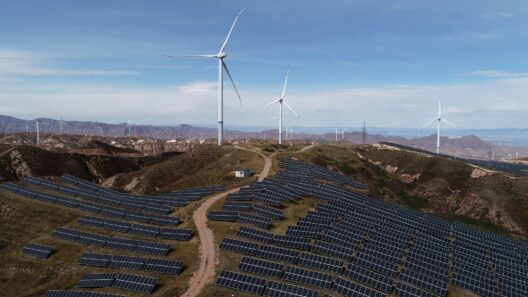
Lastly, the conversation surrounding innovation and technology offers a glimmer of hope. The U.S. stands at the forefront of technological advancement in renewable energy, electric vehicles, and carbon capture and storage. The potential exists to pivot toward a more sustainable paradigm anchored in innovation. By harnessing technology, not only can the U.S. evolve its energy systems, but it can also serve as a model for other nations, fostering a collaborative approach to mitigate global warming effectively.
In conclusion, while the actions of U.S. humans indeed contribute substantially to global warming, the entirety of this predicament is characterized by complex interplay between lifestyle choices, economic structures, and governance. Acknowledging the disparities in emissions and understanding the depth of personal and collective responsibility are pivotal in driving change. Only through a concerted, equitable approach can effective solutions be realized, ultimately achieving the shared goal of preserving our planet for future generations.