


Wind turbines have emerged as a pivotal technology in the pursuit of renewable energy. This phenomenon catalyzes a critical discourse regarding their environmental impact. Despite their reputation as green energy champions, questions arise about whether they inadvertently contribute to global warming. This inquiry necessitates a meticulous exploration of wind turbine operations, lifecycle emissions, and their broader environmental ramifications.
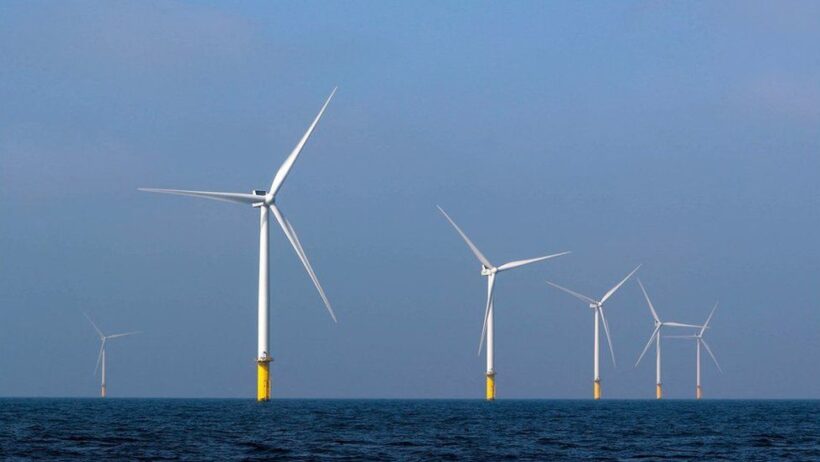
To comprehensively understand the potential contribution of wind turbines to global warming, one must first consider their operational framework. Wind turbines harness kinetic energy from wind currents, converting it into electrical power. This process significantly reduces the reliance on fossil fuels, which are notorious for carbon dioxide emissions. However, the environmental footprint of wind energy transcends just the electricity it generates.
Wind turbines are usually composed of several materials, primarily steel, fiberglass, and concrete. Each of these materials has a substantial carbon footprint associated with its production. For instance, the extraction and processing of raw materials consume enormous amounts of energy, often derived from non-renewable sources. Consequently, while wind turbines produce clean energy, their initial construction entails greenhouse gas emissions.
Moreover, the lifecycle of a wind turbine encompasses several phases, including manufacturing, transportation, installation, operation, and decommissioning. During the installation phase, substantial energy is consumed for transportation of components, particularly given the size and weight of the turbine blades and towers. Transportation often requires diesel-powered trucks or ships, further embedding fossil fuel dependency into the lifecycle of these renewable energy structures.
In discussions regarding wind turbines, one must not overlook the critical concept of “embodied energy.” This term refers to the total energy consumed during the production, transportation, and installation of a product. Wind turbines, particularly large ones, can present a significant amount of embodied energy. The net energy return on investment (EROI) of wind energy projects must be critically evaluated. Studies have indicated that when the EROI of wind energy projects is favorable, the turbines tend to yield a net positive in terms of emission reductions over their operating lifespan. However, a comprehensive assessment of this balance is essential to ascertain their true impact on the global warming phenomenon.
Another essential landscape of this discussion is the impact of wind turbines on local ecosystems. The construction and operation of wind farms can disrupt local wildlife, particularly avian species. Birds and bats are often caught in the turbine blades, leading to mortality rates that can be significant in some regions. The death of these creatures can result in ecological imbalances, particularly when key species are affected. Wind turbine proponents argue that the environmental benefits outweigh these localized impacts. Nonetheless, it raises legitimate concerns regarding biodiversity and the interconnected web of life.
Furthermore, land use must be assessed when evaluating wind turbine impacts on climate change. Wind farms necessitate large tracts of land, leading to potential habitat loss or alteration. This shift can release stored carbon from soil and vegetation, potentially counteracting some of the greenhouse gas reductions achieved through wind energy. The juxtaposition between land for renewable energy and the preservation of natural habitats merits critical analysis, entailing careful site selection and planning for wind energy projects.
A lesser-discussed consideration in the impact of wind turbines on global warming pertains to anthropogenic effects on the microclimate instigated by their operation. Wind turbines amplify air mixing in their vicinity, which might elevate surface temperatures under specific circumstances. Researchers hypothesize that this could potentially lead to localized warming, particularly in arid regions. While the extent of this phenomenon remains an open question, it introduces an intriguing element to the wind energy discussion, urging further research into long-term climatic impacts.
Despite these considerations, it is crucial to contextualize the role of wind energy within the broader spectrum of energy production and consumption. While wind turbines are not devoid of environmental consequences, fossil fuels remain the primary contributors to global warming. Transitioning to renewable energy technologies such as wind can substantially decrease the atmospheric concentration of greenhouse gases. This transition is paramount as climate change escalates exponentially, necessitating immediate action to mitigate its adverse effects.
Furthermore, the technological innovations in wind energy are continually developing. Improved turbine designs, such as larger blades and higher towers, are increasingly efficient at harnessing wind energy, reducing the number of turbines required to produce the same amount of energy. Enhanced recycling and material reuse strategies are also emerging, aimed at minimizing the carbon footprint associated with the production and disposal of turbine components. The confluence of innovation and sustainability suggests that the net impact of wind turbines on global warming is likely to become increasingly favorable.
As society steers toward a sustainable future, the interdependence between energy production and environmental stewardship becomes ever more pertinent. Wind turbines are undeniably a component of the renewable energy tapestry, each with its complexities and benefits. It is essential for stakeholders—policymakers, environmentalists, and the general public—to critically analyze all facets of this issue. Ultimately, the narrative surrounding wind turbines is not simply about whether they contribute to global warming, but rather about leveraging their strengths while mitigating their drawbacks in the quest for a sustainable Earth.