



The conundrum of whether burning gas warms the planet can be likened to an insatiable flame, flickering incessantly beneath the surface of a frozen lake. As we endeavor to explore this pressing question, we must first consider the profound implications of our energy choices on the environment. In this era of climate crisis, the specter of greenhouse gases looms large, and understanding the impact of burning fossil fuels is paramount.
To grasp the full scope of this issue, we must dissect the fundamental processes involved in the combustion of gas. Natural gas, primarily composed of methane (CH4), is often heralded as a cleaner alternative to coal and oil. When burned, it does produce less carbon dioxide (CO2) per unit of energy generated—arguably a silver lining. However, this narrative may not encompass the entire truth.
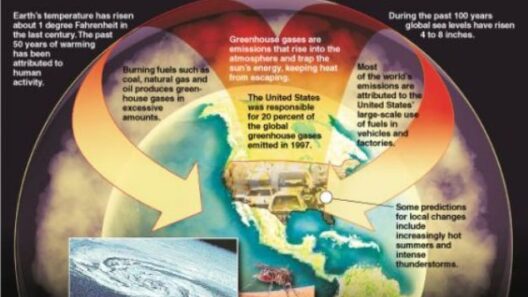
As we ignite the match to our understanding, it becomes evident that the act of burning natural gas releases substantial quantities of CO2, an omnipresent greenhouse gas that traps heat in the Earth’s atmosphere. The results of this warming are akin to wrapping the planet in an increasingly thick blanket of insulation, retaining heat that would otherwise escape into the icy embrace of space. The ramifications of this are far-reaching, as rising global temperatures threaten ecosystems, weather patterns, and our very way of life.
However, the complications surrounding natural gas do not end at CO2 emissions. Methane, the main component of natural gas, is itself a potent greenhouse gas, with a global warming potential that is significantly higher than that of CO2 over a shorter time frame. When natural gas is extracted, transported, and utilized, methane can leak into the atmosphere—a troubling phenomenon commonly referred to as fugitive emissions. These leaks can occur during well drilling, processing, and even as it travels through pipelines. Each burp of methane into the atmosphere exacerbates the warming effects, rendering our reliance on natural gas a nuanced dilemma.
In navigating these complexities, we must acknowledge the reality of climate change. The stark reality is that the Earth’s temperature has already risen by approximately 1.2 degrees Celsius since the late 19th century. The burning of gas is a significant contributor to this increase, as illustrated by a multitude of scientific studies. It becomes increasingly apparent that the calculations of climate scientists are stark; every ton of CO2 we release contributes to the relentless march towards climate chaos.
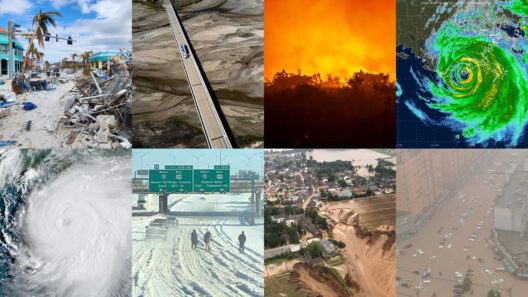
Furthermore, envisioning our atmosphere as an intricate tapestry, each thread represents the delicate balance of gases that sustain life. The more threads we weave—through the incessant burning of fossil fuels—the more strained this balance becomes. The fibers of climate stability fray, resulting in extreme weather events, rising sea levels, and habitat destruction. The once tranquil and harmonious tapestry of nature becomes a chaotic and frayed mess, threatening the very foundations upon which life depends.
The appeal of natural gas lies in its abundance and perceived cleanliness compared to other fossil fuels. But can we afford to ignore the longer-term consequences? Relying on temporary solutions can often lead us further down the path of environmental degradation. The allure of gas may feel like a siren’s call—enticing but ultimately destructive. Transitioning to renewable energy sources, such as wind, solar, and hydroelectric power, presents an opportunity to weave a more resilient tapestry in harmony with our planet rather than against it.
As we pivot to renewable energy, it beckons a question; how do we mitigate the impacts from our current reliance on gas while transitioning? The answer lies in strategic innovations and investments in technology. Emphasizing the development of carbon capture and storage (CCS) can help sequester CO2 emissions from burning natural gas, ensuring that it doesn’t merely linger in the atmosphere. By embracing such technologies, we can hold onto the flame of progress while simultaneously extinguishing the fires of climate change.
Moreover, enhancing energy efficiency also plays a pivotal role in this transition. By reducing the overall demand for gas, we can create a significant dent in greenhouse gas emissions. Simple measures, such as improving insulation in buildings or fostering public transportation options, can yield profound benefits, reverberating throughout our communities and ecosystems.
In conclusion, burning gas unambiguously contributes to the warming of the planet, a realization that impels us to reevaluate our course. Just as a single drop of water can create ripples across a serene pond, our individual actions can collectively forge pathways toward a sustainable future. While the short-term conveniences of gas remain tempting, the long-term consequences loom larger and more ominous.
Ultimately, whether we move towards a more sustainable future lies in our hands. Transitioning to cleaner alternatives and embracing innovative technologies may very well reshape the trajectory of our climate narrative. It is a tapestry we weave together, and with each conscious choice, we can either strengthen its resilience or unravel it altogether. In this age of crisis, the responsibility rests on our collective shoulders to ignite the transformation necessary to preserve our planet for generations to come.