


Climate change has long transcended mere scientific inquiry; it is a matter that directly influences the quotidian experience of individuals across the globe. The shifting patterns of weather phenomena have become increasingly evident, prompting societies to grapple with the veracity of climate-induced transformations. The assertion that climate change affects weather is not merely conjecture; it is bolstered by extensive empirical evidence and scientific consensus. This article endeavors to elucidate the intricacies of this nexus, articulating the myriad ways climate change manifests in our daily weather experiences.
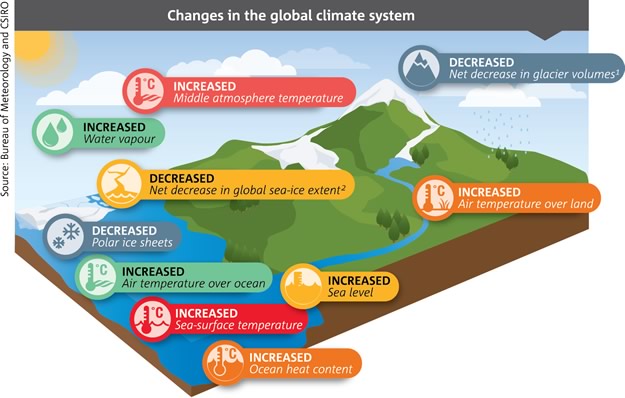
The crux of the matter lies in understanding the fundamental dynamics of Earth’s climate system. Climate is defined as the statistical average of weather conditions over extended periods, typically 30 years or more. In contrast, weather represents the transient atmospheric conditions experienced at any given moment. The interplay between these two definitions is critical, as long-term climatic changes bear significant implications for immediate weather patterns. The warming of the planet, driven primarily by anthropogenic greenhouse gas emissions, engenders observable alterations in weather phenomena. These alterations manifest through a variety of mechanisms, affecting temperatures, precipitation, and extreme weather events.
One of the most palpable effects of climate change is the increase in average global temperatures. As the planet warms, we see an amplification of heatwaves, which have become more frequent and intense. The phenomenon is not an isolated one; rather, it is part of a broader pattern of thermodynamic change, wherein warmer air holds more moisture. This basic principle of physics precipitates intensified storm systems, altering the frequency and severity of precipitation events. The inundation of urban areas during heavy rainfall, for instance, can be directly correlated to these shifts in atmospheric moisture content, raising concerns about infrastructure resilience and public safety.
Moreover, rising temperatures do not merely escalate heat extremes; they also precipitate profound alterations in global weather patterns. The polar regions, for instance, experience more pronounced warming than equatorial regions—a phenomenon known as Arctic amplification. As Arctic ice diminishes, it disrupts established atmospheric circulation patterns, leading to erratic jet streams. Such fluctuations result in prolonged weather episodes, from extended droughts in some regions to excessive rainfall in others. The divergence of weather from historical norms evokes existential questions about our preparedness for a rapidly changing climate.
In addition to the temperamental nature of rainfall, climate change has exacerbated the incidence and severity of extreme weather events. Hurricanes and typhoons, for example, are now emerging with greater intensity. Warmer ocean waters provide more energy for these storms, leading to catastrophic consequences for coastal communities. The increasing frequency of these cyclonic events signals an urgent need for enhanced disaster preparedness and response strategies. However, merely addressing the symptoms—such as the aftermath of storms—obscures the broader dialogue about the underlying causes of climate change.
We must also consider the socio-economic ramifications of these altered weather patterns. Agriculture—a sector inherently linked to climatic conditions—finds itself at a precarious crossroads. Alterations in precipitation can lead to crop failures, while changes in temperature can affect everything from planting seasons to pest populations. The ramifications of food insecurity ripple through economies and can exacerbate social tensions, compelling governments to address not only the agricultural sector’s adaptations to climate change but also the broader societal implications.
Furthermore, the intersectionality of climate change and health is undeniable. Shifts in weather patterns can facilitate the spread of vector-borne diseases, as warmer temperatures and altered precipitation patterns create optimal conditions for pathogens to proliferate. Communities unprepared for these health impacts may find their public health infrastructures overwhelmed as they grapple with conditions previously considered rare or localized. A holistic understanding of climate change must therefore encompass its extensive health implications, which deserve substantial investment in research and preparedness.
This dialogue also raises important questions regarding policy interventions and global cooperation. Climate change is a quintessentially global issue. Decisions made in one part of the world can reverberate across the globe; thus, solutions must prioritize collaborative international efforts. Understanding the mechanisms by which climate change influences our weather not only equips policymakers with the necessary knowledge to craft effective legislation but also galvanizes the public to engage in sustainable practices that mitigate climate change. Grassroots movements, governmental policies, and global initiatives must work in concert to address the urgent need for an integrated climate strategy.
Ignorance of the overwhelming evidence linking climate change with alterations in weather patterns simply cannot persist in a society poised on the precipice of irreversible consequences. The insistence on maintaining the status quo is a denial of an observable reality. It is imperative that we acknowledge the pronounced impact of climate change on our daily weather and, consequently, our very lives. Embracing this truth paves the way for essential dialogues about adaptation and resilience, fostering a mindset that prioritizes proactive measures over reactive responses.
Ultimately, the question is not whether climate change affects the weather—it undeniably does. What remains is our collective responsibility to confront this reality and cultivate a sustainable future. The survival and thriving of ecosystems, human communities, and prospective generations hinge upon our commitment to addressing the intricacies of climate change with the urgency it demands. The time for action is now; inaction is simply not an option.