


Among the thickets of our woodlands, where once the whisper of leaves comforted weary travelers, a sinister specter emerges, transforming pastoral landscapes into scenes of devastation. Climate change, often likened to a slow-moving giant, has reached forth its fiery hand to ignite wildfires, causing tremors across ecosystems and communities alike. This insidious threat intertwines with natural processes, but understanding its role is crucial in addressing the inferno that now ravages our planet.
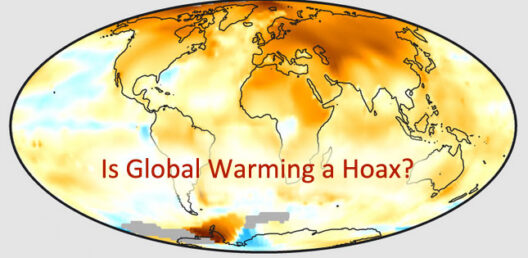
The question prevails: Does climate change cause fires? To decipher this enigma, one must first comprehend how the escalating temperatures appear to be a double-edged sword. Rising atmospheric temperatures are akin to pouring accelerant on a smoldering wick. Increased heat not only dries out vegetation, rendering it a potent source of fuel, but it also alters precipitation patterns. Regions that once enjoyed a predictable climate now oscillate between deluge and drought, nurturing an ideal environment for wildfires to flourish.
Consider the interplay of these elements—the parched underbrush of a drought-ridden landscape and the volatile growth of flora that precedes an inevitable inferno. The adage “what goes up must come down” holds weight in this context. As temperatures ascend, so does the evaporation of moisture, leading to a palimpsest of crispy leaves and brittle branches waiting to be ignited. Consequently, fire, once a natural and purifying force, transforms into a conflagration that wreaks havoc on unprepared ecosystems.
The symbiosis between climate change and wildfires intensifies when examining the millions of acres consumed by flames in recent history. The United States, Canada, Australia, and beyond have borne witness to unprecedented wildfires that stretch for miles, consuming flora, fauna, and human aspirations alike. These events are not mere coincidences; they are harbingers of a rapidly shifting climate that thrives on instability and unpredictability.
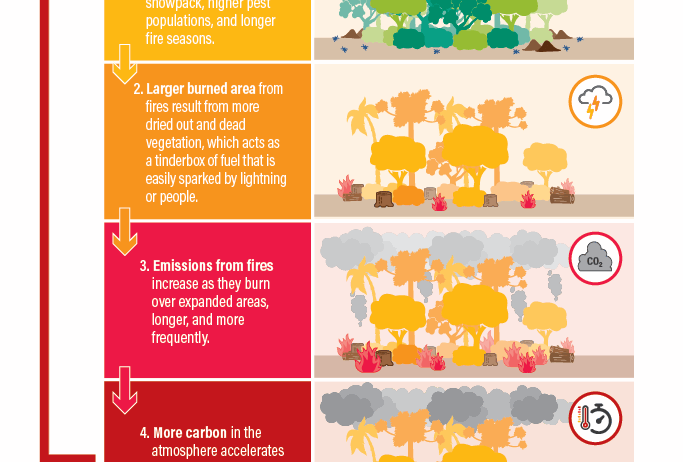
Moreover, the phenomena of rising CO2 levels and erratic weather patterns create a breeding ground for extreme weather events such as lightning storms, which act like nature’s own matchsticks, igniting the tinder-dry landscapes. The complexity of this cycle demands our attention. A sudden thunderstorm, raging winds, or an errant spark from a human endeavor could spell disaster in a climate that nurtures these very conditions.
The flames of wildfires do not discriminate—they consume the rich tapestry of biodiversity that sustains life. Endemic species, the very backbone of our ecological networks, crumble under the heat, leaving behind barren landscapes devoid of life. Each fire is not just a fiery spectacle; it is a harbinger of extinction, heralding the loss of flora and fauna that may never return. This ecological disruption sends shockwaves through food chains and further destabilizes already fragile ecosystems.
However, attributing the firestorms solely to climate change would be a fallacy. It is crucial to acknowledge the role of human activities. Deforestation, urban encroachment, and mismanaged land use exacerbate the risk of fires. The unrelenting appetite for expansion has turned prime forests into tinderboxes, where natural firebreaks are obliterated, rendering vast swathes of land vulnerable. The statistics paint a grim picture: where once lush forests offered resistance against flames, now, these areas succumb to man-made forces, igniting a potent recipe for disaster.
As wildfires become increasingly frequent and intense, so must our response evolve. Traditional firefighting approaches—while effective—often offer a band-aid solution to a problem that demands systemic change. Implementing a multifaceted strategy that includes forest management, community preparedness, and the integration of advanced technology can mitigate the risk of catastrophic fires. Controlled burns, for example, can reintroduce fire as a stabilizing force, reducing the buildup of combustible materials while enriching the soil.
The true crux of combating climate-induced wildfires lies in addressing their root causes. Transitioning away from fossil fuels—our relentless primary culprits—necessitates a collective effort. Renewable energy sources, energy efficiency, and sustainable land management practices must become the cornerstones of our new green economy. This paradigm shift hinges on the acknowledgment that our actions today will shape tomorrow’s climate, determining whether future generations will inherit a habitable planet or an arid wasteland.
In closing, the infernos that consume our landscapes serve as both a wake-up call and a mirror reflecting our choices. Climate change is not a distant threat; it is the catalyst fueling the flames that envelop our forests. While the blazes are dramatic reminders of our environmental folly, they also embody an opportunity—a chance for humanity to forge a path towards a harmonious existence with nature. The choice is ours: allow the flames to consume our world or transform the narrative into one of proactive stewardship and resilience. The embers of change await our command; let us choose to extinguish the fire of apathy and ignite a passionate, concerted effort to safeguard the planet we call home.