
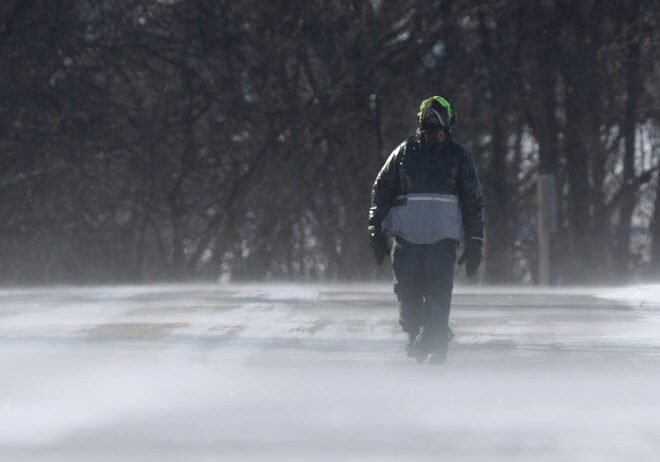

As we traverse the icy landscape of climate science, we find ourselves at a paradoxical junction: the notion that climate change could paradoxically engineer colder winters. This topic, often shrouded in confusion, demands attention, for it encapsulates the intricate interplay between global warming and regional climatic phenomena. To understand this conundrum, we must delve into the mechanics of climate systems and the ramifications of Arctic warming.
At first glance, the concept that the world is warming incessantly seems at odds with the occurrence of frigid winter temperatures. However, climate change, much like an unwieldy maestro, conducts a symphony where even the faintest notes can resonate with powerful consequences. The relationship between global temperatures and local weather patterns can indeed ignite an incendiary debate. The scientific community offers a plethora of hypotheses, each adding layers to this intricate narrative.
One prevailing theory posits that the destabilization of the polar vortex may bear the responsibility for harsh winters in certain regions. The polar vortex is a band of strong winds that encircle the Arctic; when it remains intact, it keeps frigid Arctic air confined to its polar home. However, as the planet’s temperature rises, the formation of this vortex becomes more erratic. The byproduct is a situation in which polar air, instead of remaining sequestered, spills downwards, plunging unexpectedly into mid-latitude regions. This phenomenon exemplifies how warming in one part of the world can reverberate painfully across others.
The critical question remains: how does this occur? The Arctic is warming at an alarmingly exponential rate, a stark reality exacerbated by the vicious cycle of melting ice. As the ice caps recede, less sunlight is reflected back into space, causing a further increase in temperature. This chain reaction can unsettle atmospheric dynamics, leading to the aforementioned disruption of the polar vortex. In essence, warming Arctic latitudes serve as a puppeteer, pulling strings that affect winter weather far afield.
When we examine historical weather patterns, the evidence seems to echo this theory. Data has shown that areas with significant Arctic warming have experienced exceptionally severe winters. The chilling irony is remarkable: regions very much impacted by global warming are also the ones reporting the harshest of winters. Thus, what may seem like a disparate outcome is indeed a fallout from a changing climate.
The implications of a colder winter fueled by climate change extend beyond mere temperatures; they ripple through ecosystems, economies, and societal structures. Wildlife, having adapted to specific seasonal rhythms, faces distressing disruption. Migratory patterns can be altered, as can the natural habitat for countless species. Just as no one lives in a vacuum, neither do ecosystem dynamics; they interlace with one another, producing cascading effects that threaten biodiversity.
Moreover, the economic toll of more severe winters cannot be understated. Snowstorms wreak havoc on infrastructure, draining municipal resources as cities scramble to clear roads and restore heat to vulnerable populations. Not to mention, increased heating demands during uncharacteristically harsh winters can lead to elevated energy consumption, creating a paradox where people attempt to fight the rising cost of warmth amidst an increasingly unstable climate. This is further compounded by the fact that lower-income households may be less able to cope with skyrocketing utility costs, thus heightening social inequities.
This juxtaposition of warming and colder winters extends to human psychology as well. Our understanding of climate often rests on observable patterns. When citizens are bombarded with uncharacteristically chilly weather during a period of pronounced global warming, confusion and skepticism can thrive. It becomes critical for organizations and scientific agencies to communicate these complex interrelations effectively. Engaging the public with tailored outreach programs can help build awareness of how these unusual winter experiences connect back to overarching climate trends.
Finally, as individuals who cherish unity with our environment, we ought to contemplate our role within these processes. A metaphor for our interaction with climate change is that of a ship navigating turbulent waters. We can chart a course towards a sustainable and resilient future, but we must acknowledge the storms that arise amid the changing tides of nature. Personal accountability, whether through reducing carbon footprints or advocating for resilient infrastructure, equips us with the tools to combat these chaotic patterns.
In navigating the paradox of colder winters amid climate change, we must recognize that nature often defies straightforward explanations. The complexities demand subtlety, understanding, and most importantly, concerted action. Could it be that in confronting the paradox of winter’s chill that we uncover the true essence of the climate crisis? Only through persistent inquiry, prudent discussions, and collaborative efforts can we adapt to the unpredictability of the ways our changing climate manifests.
In the end, this exploration of colder winters prompted by climate change serves a critical warning: that we must prepare for an array of environmental challenges, including those that arrive with snow-laden winds. The story is one of adaptation, resilience, and ultimately, hope. As we navigate these chilling realities, we stand at the precipice of a crucial choice: to bend towards despair or to rise collectively, galvanizing our efforts towards a sustainable trajectory for future generations.