



In the discourse surrounding climate change, one peculiar aspect has captured significant attention: methane emissions from livestock, particularly cattle. The crux of the discussion often revolves around an unusual and somewhat humorous notion—cow farts. However, unmasking the veracity behind this topic reveals a myriad of complex and critical interconnections between agriculture, greenhouse gases, and global warming.
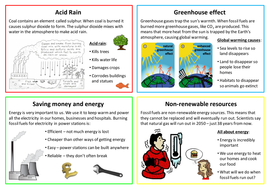
Methane (CH₄) is a potent greenhouse gas, with a global warming potential estimated to be over twenty times greater than that of carbon dioxide (CO₂) on a per molecule basis, particularly over a two-decade timeframe. Its significance in climate discourse stems from its significant role in the atmospheric composition and its potent heat-trapping abilities. To put this into perspective, methane, while comprising a mere fraction of the atmosphere compared to carbon dioxide, exerts a disproportionately large impact on climate change.
Livestock, particularly ruminants like cows, are significant contributors to methane emissions. The digestion process in these animals, known as enteric fermentation, produces methane as a by-product. This occurs during the breakdown of fibrous plant materials in their stomachs, a process that is aided by specialized gut microbes. The biological nuances of this process present a fascinating intersection of animal physiology and environmental science.
Indeed, cows emit methane through both burping and flatulence, but it’s essential to clarify the ratio—most emissions occur through burps rather than farts. Therefore, the graphic image often conjured up around the concept of “cow farts” oversimplifies a more intricate biological and ecological phenomenon. The total methane produced by cattle globally is staggering, with estimates indicating that the livestock sector accounts for approximately 14.5% of all anthropogenic greenhouse gas emissions, according to the Food and Agriculture Organization (FAO).
Yet, the topic of methane emissions in relation to cow burps and farts raises questions not only about the level of responsibility attributed to livestock but also about the broader implications for the agricultural sector and food systems. With the world’s population projected to reach nearly 10 billion by 2050, the demand for animal protein is expected to surge, consequently escalating methane emissions unless significant changes are implemented.
The ecological footprints of cattle rearing extend beyond methane production; livestock farming contributes to other processes harmful to the environment, such as deforestation, soil degradation, and water overuse. Such practices collectively exacerbate climate change, placing additional strain on already stressed ecosystems. The challenge lies not merely in understanding the methane-emitting contributions of cattle but in addressing the multifaceted realities of agricultural practices that sustain them.
A hallmark of effective climate action involves examining innovative solutions aimed at reducing methane emissions from livestock. Recent advancements have emerged focusing on dietary modifications and management practices that can mitigate enteric emissions. Such dietary adjustments may include incorporating specific additives, such as seaweed, which has been proposed to reduce methane production during digestion by up to 80%. This intriguing prospect not only challenges traditional feed formulations but also sparks curiosity about the intersection of nutrition and environmental impact.
Furthermore, scientific research into the genetics of cattle is being pursued, aiming to breed animals that are more efficient at converting feed into energy with less methane produced as waste. This selective breeding could significantly alter the emissions profile of the livestock industry, providing a glimmer of hope within a complex environmental crisis.
The urgency for effective policies to regulate methane emissions from livestock is paramount. Governments and organizations must prioritize strategies that bridge agricultural productivity concerns with climate commitments. The integration of sustainable practices, responsible farm management, and incentivizing the adoption of climate-friendly technologies could reshape the future of livestock farming. Legislating stricter emissions intensity measures for agriculture could instigate significant behavioral shifts within the sector.
While the whimsical notion of “cow farts” may incite laughter, the reality that underpins this discussion is far from trivial. The climate repercussions attributed to methane emissions compel us to rethink our agricultural paradigms. It casts a light on the necessity of discussing methane emissions as a serious contributor to climate change and encourages an informed dialogue regarding animal husbandry.
Each layer of this issue—from the biological mechanics of digestion to the global ramifications of meat consumption—tells a story that intertwines economics, ecology, and ethics. As societies grapple with food security and environmental sustainability, understanding and managing methane emissions becomes an integral component of a broader strategy to combat climate change.
Thus, the dilemma posed by cow emissions invites a shift in perspective towards identifying actionable solutions that highlight our interconnectedness with both food systems and environmental stewardship. In a world rapidly changing due to climate pressures, encapsulating the essence of sustainability while respecting livestock’s contributions is not just a futuristic ideal, but a necessary endeavor to preserve the delicate balance of our planet’s ecosystems.
Ultimately, the inquiry of cow farts contributing to global warming does not solely lead to a simplistic dismissal or humor. It unfolds to reveal an essential dialogue about methane, agriculture, and our collective responsibility to cultivate a sustainable future. In pursuit of this balance, engaging thoughtfully with the multifarious dimensions of our food systems will be crucial. This holistic understanding may potentially pave the way towards innovative solutions capable of addressing one of the most pressing crises of our time.