


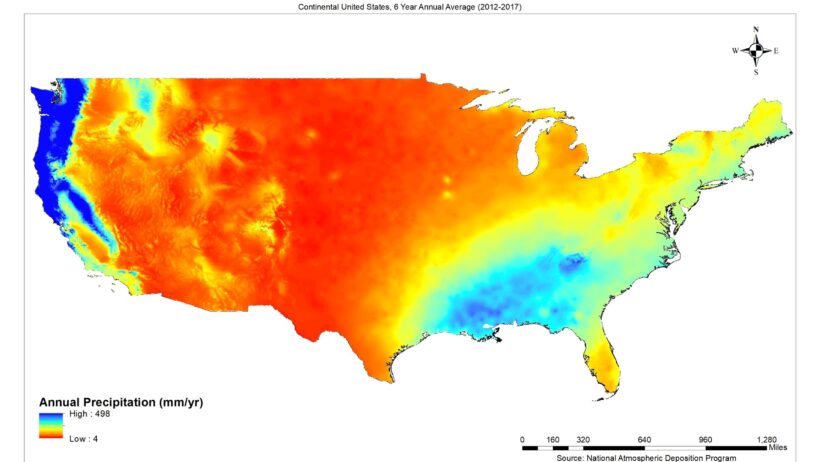

Global warming undeniably occurs across the United States, an alarming reality that demands attention. The ramifications of climate change are not homogenous; they vary substantially from one region to another. Understanding the nuances of how global warming manifests domestically can illuminate the far-reaching impacts and foster informed discussions on mitigation and adaptation strategies.
At the heart of the global warming debate lies the phenomenon of rising temperatures. Across the contiguous United States, average temperatures have increased by approximately 1.8°F (1.0°C) since the late 19th century. The warming is not just an abstract statistic but a tangible change affecting ecosystems, weather patterns, and human livelihoods. Cities and rural areas alike experience this temperature shift differently based on geographical and climatic factors.
The northern regions, such as the Great Lakes states, experience a marked increase in average temperature compared to historical norms. Winters are shortening and becoming milder, which shifts the ecological balance. Species that thrived in colder climates are struggling, while the encroachment of previously non-native species disrupts local biodiversity. This shifting biome also raises concerns for agriculture—cold-season crops risk diminished yields, adversely affecting food supply chains.
Conversely, the southern territories—exemplified by states like Texas and Florida—witness the intensification of heatwaves. Record high temperatures have surged in the last two decades, leading to increased evaporation rates. This situation exacerbates drought conditions, particularly in areas that rely heavily on agriculture. The compounding effects pose a dual threat: food scarcity and increased reliance on unsustainable water extraction from aquifers.
Moreover, extreme weather events are a hallmark of climate change and serve as a vivid reminder of global warming’s presence. Hurricanes, floods, and wildfires—events that were once considered rare—are becoming more prevalent and devastating. The Gulf Coast and Eastern seaboard frequently brace for hurricane seasons that scientists predict will yield stronger storms fueled by warmer ocean surfaces. Damage from these storms incurs millions, if not billions, in economic losses annually.
Wildfires, particularly in the western United States, have reached catastrophic proportions. With trees dry from prolonged heat and diminished moisture levels, entire ecosystems face decimation. The mountainous terrains of California, Washington, and Oregon bear witness to year-round wildfire seasons. The smoke from these wildfires travels vast distances, impacting air quality in states far removed from the flames, creating public health crises.
State and local governments are grappling with the financial burdens of climate adaptation and resilience planning. To mitigate the effects of global warming, regions are adopting innovative infrastructure solutions. Coastal communities, for instance, are investing in barrier islands and wetlands restoration to buffer against storm surges while simultaneously enhancing biodiversity. Cities are implementing urban greening initiatives, transforming asphalt jungles into carbon sinks, emissions reducers, and places of refuge for wildlife.
Education plays a pivotal role in combating climate change. Engaging communities through outreach and information dissemination helps elevate awareness about sustainable practices. In urban areas, workshops and local events showcase the importance of reducing carbon footprints. Programs promoting solar energy, electric vehicles, and organic farming can cultivate a mindset embracing ecological responsibility.
Economically, transitioning to a green economy can fortify resilience against climate perturbations. Investment in renewable energy sources—solar, wind, and hydro—can generate a multitude of jobs while decreasing dependence on fossil fuels. Enabling local economies to flourish within this paradigm not only addresses environmental concerns but elevates communities through energy independence.
Further, one cannot overlook the role of policy in shaping the narrative around climate change. Legislative actions at both state and federal levels can incentivize renewable energy development and impose regulations on carbon emissions. Policymakers need to prioritize sustainable development to ensure that future generations inherit a planet capable of supporting life in its myriad forms.
In the face of climate change, grassroots movements are emerging as catalysts for transformation. Citizen-led initiatives foster community engagement in conservation efforts, compelling local leaders to act. The voices of youth activists underscore an urgent plea for immediate action to safeguard a livable future. They challenge the status quo and provoke discussions around environmental justice, equitably mitigating the impacts of global warming on vulnerable populations.
Interestingly, public perceptions of climate change vary widely across the country. Regions with pronounced vulnerability to weather disruptions may show heightened awareness, while others may continue to harbor skepticism. Bridging this divide involves recognizing regional disparities and fostering empathy through shared narratives. Conversations around global warming should resonate with local stakeholders, cultivating a shared sense of responsibility.
Awareness is a crucial first step. Understanding the implications of global warming in the U.S. not only engenders a sense of urgency but also cultivates hope for collective action. The complexities of climate change can elicit a spectrum of emotions, from despair to determination, and must be addressed thoughtfully. Each region has its own tale to tell, yet they converge towards a singular truth: a united front is essential to confront the scourge of global warming.
As stewards of the planet, the imperative lies with us. By embracing our roles—whether as informed citizens, activists, or policymakers—we can chart a course towards sustainability. The landscape of global warming is not predetermined; it is shaped dynamically by our choices today. In this narrative, curiosity serves as a powerful impetus for understanding and action against global warming’s multifaceted threats. The fate of our ecosystems, economies, and ultimately, human existence hangs in the balance. It is time to act.