


In the grand tapestry of our planet’s climate, the paradox of global warming presenting us with chillier winters is akin to observing a seemingly contradictory symphony. The notes of climate science often play in dissonance, generating confusion as we navigate the complexities that underpin weather patterns and seasonal changes. The notion that a warming world could bear the weight of colder winters necessitates a closer examination of the multifaceted interactions within Earth’s atmospheric systems.
At its core, global warming refers to the long-term increase in Earth’s average surface temperature due primarily to human activities, predominantly the burning of fossil fuels and deforestation. As we aggregate greenhouse gases such as carbon dioxide and methane into the atmosphere, we intensify the greenhouse effect, trapping heat and altering climatic norms. However, the effects are not universal; they reverberate through our weather systems, leading to an intricate interplay that can result in paradoxical occurrences, including frigid winters.
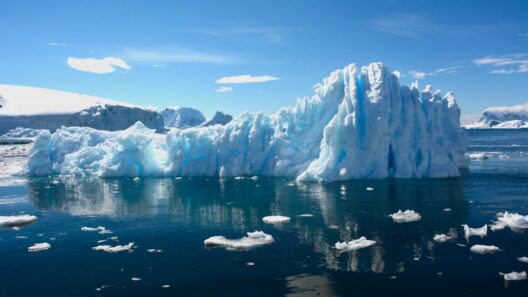
To comprehend the complexity, one must first delve into the Arctic region. The Arctic is warming at approximately twice the global average pace—a phenomenon known as Arctic amplification. This rapid warming disrupts the polar vortex, a high-altitude cyclone that typically contains frigid air in the polar regions. When the polar vortex weakens, it can become distorted, allowing frigid air to drift southward into regions that normally experience milder winters.
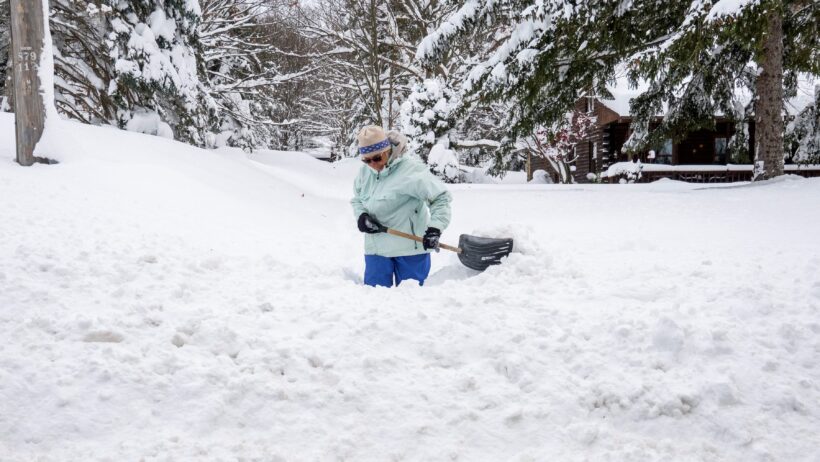
Visualize the polar vortex as a tightly wound rubber band, stretched and poised for release. A minor disturbance—whether from anomalous warming in the Arctic or other climatic factors—can cause this band to snap, unleashing frigid air masses that descend into mid-latitudes. The result is not just a casual dip in temperature; it can manifest as extreme cold events, heavy snowfall, and record-breaking frost, often leaving entire regions perplexed by winter’s abrupt severity.
Interestingly, while cold snaps may seem counterintuitive in an age of warming, they serve as a reminder of the atmosphere’s complexity. For instance, the winter of 2013-2014 in the United States was characterized by severe winter storms and substantial snowfall despite an overarching trend of gradual warming. Reports from that winter showcased states grappling with dropping temperatures and heavy snow accumulation, raising eyebrows among skeptics of climate change.
This climate complexity extends beyond the polar vortex. Ocean currents, particularly the Atlantic Meridional Overturning Circulation (AMOC), also contribute significantly to regional weather patterns. Gleefully moving warm Gulf Stream waters northward, the AMOC plays a crucial role in maintaining the climate equilibrium between warmer tropical regions and the colder Northern latitudes. Disruptions here can similarly impact winter weather, potentially leading to colder spells as warm ocean currents falter, and colder waters prevail.
Moreover, uneven distribution of warming can lead to altered precipitation patterns. Warmer air holds more moisture. Thus, a warming climate can facilitate heavy precipitation events in certain areas, contributing to more intense winter storms. These storms can bring with them a paradox: balmy temperatures preceding a catastrophic freeze, creating a landscape rich in irony where mild reminders of spring are squashed beneath layers of snow and ice.
It is crucial to recognize that the relationship between climate change and winter weather extends beyond simplistic good-versus-bad narratives. Instead, it invites us to engage with the nuances and variability intrinsic to our warming world. Each region responds uniquely to the shifting climate, influenced by geographical features, local ecosystems, and human-induced changes. For instance, the way that rising temperatures interact with local weather phenomena can paint an inconsistent picture across the globe.
This dynamic reveals itself in trends observed not only across North America but also in Europe and Asia where winters can oscillate between extremes—sometimes frigid, sometimes eerily warm. As discussions on climate solutions progress, so too must our understanding of these localized manifestations of global trends. To confront the reality of climate change effectively, we must shift our thinking beyond generalized perceptions and towards a holistic comprehension of regional climate dynamics.
Furthermore, the broader implications of colder winters must be addressed. While some may credit climate change for an increase in snow days or a cozy ambiance of winter, the reality is far more ominous. Heavy winter precipitation events may lead to hazardous conditions, power outages, and the infrastructural strain on public services. Farmers may grapple with unpredictable planting seasons, impacting local food supply chains. The socioeconomic repercussions of these extreme weather patterns are extensive and warrant urgent attention.
In summary, the assertion that global warming makes winters colder is not merely a rhetorical device but a reflection of the intricate and often unpredictable phenomena governing Earth’s climate system. The juxtaposition of warming trends with the potential for frigid winters exemplifies nature’s complexity, compelling us to embrace an expansive understanding of climate change. Our ongoing battle against climate change demands a sober understanding of these patterns, urging collective action to mitigate human impact and address these climatic shifts head-on. The narrative is neither simplistic nor detached; it beckons for engagement and profound introspection as we forge a more sustainable future.