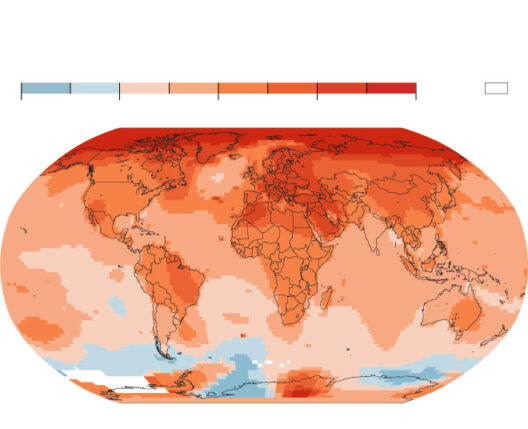



In the realm of environmental sustainability, the act of growing your own food can be likened to planting the seeds of change in the vast field of climate action. Just as a small seed carries the potential of a towering tree, cultivating a garden or a few potted plants can contribute significantly to combating global warming. This intriguing connection between our food choices and the health of our planet deserves a closer examination.
At the core of this discussion lies the concept of carbon sequestration. Plants absorb carbon dioxide (CO2) from the atmosphere, a greenhouse gas notorious for its role in climate change. By nurturing your own food, you are essentially inviting these plants into your life to act as carbon sinks. Consequently, each leaf unfurling on your tomato plant or your flourishing basil signifies a small but essential victory against the ever-increasing levels of atmospheric CO2.
Another critical angle from which to approach this topic is the issue of food miles. The distance food travels from farm to table contributes to its carbon footprint. Each mile traversed by a truck laden with produce compounds the greenhouse gases emitted during transport. Homegrown produce, in stark contrast, eliminates this transportation-related footprint. Consider this: a head of lettuce cultivated just outside your kitchen can seamlessly transition from garden to plate, practically eliminating food miles. This is akin to the relationship of symbiotic organisms—each dependent on the other for sustenance and mutual benefit.
Moreover, growing your own food encourages biodiversity. When cultivating a garden, individuals have the opportunity to select heirloom seeds and indigenous plants. These choices not only contribute to a robust ecosystem but also foster resilience against climate fluctuations. By promoting diverse plant life, home gardeners can recreate habitats that support pollinators, critical players in the agricultural landscape. Bees and butterflies, for instance, serve as nature’s couriers, enhancing the growth of flowers and plants. As such, a varied garden acts as a sanctuary that nurtures both flora and fauna.
The process of farming at home can be viewed through the lens of sustainability. The artisanal endeavor of growing vegetables or herbs is deeply intertwined with organic practices. Many home gardeners adopt chemical-free methods, which not only eschew harmful pesticides but also promote soil health. Rich, organic soil fosters microbial life, enhancing the capacity of plants to absorb nutrients and sequester carbon. It is an intricate web, where each element plays a role in maintaining ecological balance.
Transitioning to the ethical implications, consider the profound sense of agency that comes with growing your food. This practice relinquishes the dependence on industrial agriculture, often criticized for its impact on the environment. By cultivating food on your own, you become part of a movement that challenges unsustainable agricultural practices. The act of nurturing a plant to fruition emerges as a powerful statement against pollution, deforestation, and soil degradation. Each seed sown can flourish into a symbol of resistance against the environmental challenges looming over our planet.
But it is essential to acknowledge that growing your own food is not a panacea. While it undoubtedly offers numerous benefits, it exists within a broader web of systemic issues that contribute to climate change. For example, the production of tools, fertilizers, and other gardening supplies must also move toward sustainable practices to create a substantial impact. Home gardening can serve as a catalyst for wider societal shifts in production ethics and consumption patterns. It invokes curiosity towards local farming, creating communities that prioritize sustainability over convenience.
Furthermore, engaging in home gardening fosters awareness about food systems. This intimate relationship with food production renders individuals more conscious about their consumption habits. It encourages the practice of mindful eating—understanding where our food originates and the resources required to sustain it. This enlightenment may lead to a reduction in waste and a more profound consideration of the environmental consequences of our choices.
Interestingly, the mental health benefits tied to gardening cannot be understated. The simple act of tending to plants can serve as a grounding experience in today’s tumultuous world. Nature has a remarkable ability to soothe the mind. This emotional well-being, coupled with the physical act of gardening, can galvanize passionate individuals toward activism, creating a ripple effect that extends beyond merely personal gardens and into community efforts focused on climate action.
Ultimately, the question remains: does growing your own food help slow global warming? The answer resonates with a profound ‘yes.’ It encapsulates a multifaceted approach that combines individual actions with broader social change. While it may not single-handedly reverse the course we are on, every garden represents a beacon of hope. Each time a seed is planted, it symbolizes a commitment to nurturing our planet—a gesture that nurtures the soil, enriches the ecosystem, and supports local biodiversity.
In the grand narrative of climate action, our personal gardens can function as microcosms of resilience. As more individuals engage in this practice, the collective impact reverberates beyond our backyards, illustrating how small actions collectively lead to significant change. Growing your own food is not merely about nutrition; it entails an intrinsic duty to foster a sustainable future. Let us cultivate not just plants but also a lasting legacy that prioritizes the health of our planet for generations yet to come.