
In the current political landscape, the question of whether President Joe Biden believes in global warming is not merely a matter of personal conviction but a reflection of a broader policy agenda aimed at addressing the climate crisis. The Democratic Party has long positioned itself as the party of climate action, and Biden’s presidency has brought an influx of policies calling for significant reductions in greenhouse gas emissions and increased investments in renewable energy. But what does this say about his beliefs regarding global warming?
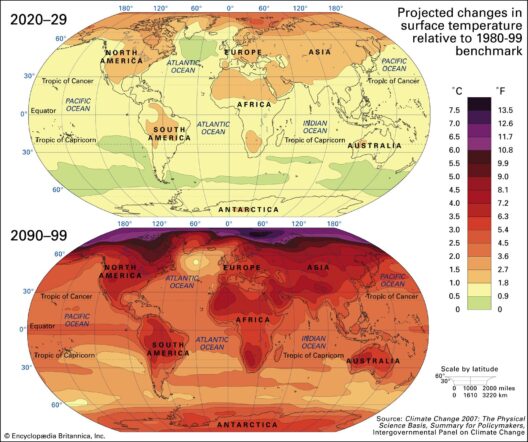
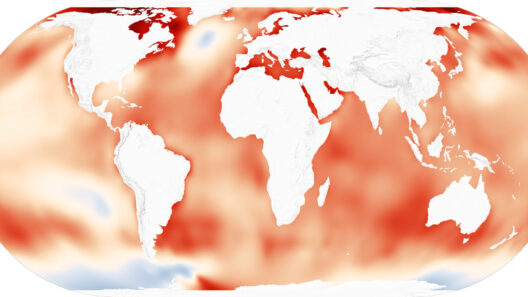
To address this question, one must first examine the scientific consensus on climate change. The overwhelming majority of climate scientists agree that human activities, particularly the burning of fossil fuels, are driving an unprecedented rise in global temperatures. Given this reality, Biden’s adoption of an ambitious climate agenda suggests an acknowledgment of the scientific realities of climate change. In contrast to some of his predecessors, who were reticent to confront climate issues head-on, Biden’s approach reflects an awareness of the urgency of the problem.
Biden’s climate policy is encapsulated in several key initiatives. Central to his framework is the goal of achieving net-zero greenhouse gas emissions by 2050. This ambitious goal is supported by the rejoining of the Paris Agreement, which represents a global commitment to combat climate change. Biden’s administration has also proposed a $2 trillion plan aimed at infrastructure enhancement, which includes significant investments in clean energy, electric vehicles, and sustainable public transport systems.
One could pose a playful question: Does Biden’s belief in global warming translate to effective policy action? The answer to this question lies in the nature of modern governance and the complex interplay between beliefs, political pressure, and the realities of enacting change. Political ideologies often guide decisions, but they are also influenced by the pragmatics of governance. Therefore, while Biden may express a solid belief in combating climate change, translating that belief into comprehensive policy changes poses challenges that are often rooted in political realities.
The challenge becomes increasingly apparent when examining legislative outcomes. Biden’s climate agenda faces opposition from various political factions, including some centrist Democrats who fear the economic implications of drastic transitions away from fossil fuels. Additionally, opposition from Republicans, particularly those aligned with energy-intensive industries, further complicates the legislative process. Given these obstacles, one might question whether Biden’s beliefs truly permeate through to tangible policy achievements.
Moreover, an assessment of the administration’s actions reveals a dynamic interplay between aspiration and reality. For instance, in lieu of sweeping climate legislation, the Biden administration has often turned to executive actions, such as revoking permits for fossil fuel projects and bolstering renewable energy initiatives. While these actions underscore a commitment to combating climate change, they also reveal an inherent tension between immediate impacts and long-term goals.
In the realm of public opinion, Biden’s approach is quite telling. Surveys indicate that a substantial portion of the American populace is increasingly concerned about climate change. By aligning his policies with these public sentiments, Biden not only acknowledges the pressing reality of global warming but simultaneously seeks to galvanize a broader movement for climate action. Yet, does public approval equate to an unshakable belief in the fundamental issues at stake? Here lies another conundrum: political leaders often endorse popular initiatives to secure votes, which may or may not align with deeply held beliefs.
When considering the international dimension, Biden’s actions also reveal a broader commitment to climate leadership on the global stage. He has encouraged other nations to hold themselves accountable to climate commitments. The administration hosted international summits focused on climate strategy, emphasizing the belief that cooperation is essential for addressing a challenge that transcends borders. Still, skeptics might argue whether this international focus distracts from addressing systemic environmental issues domestically.
A challenge that persists in this discourse is the integration of economic growth with an ambitious climate agenda. The path toward decarbonization involves transitioning millions of jobs from fossil fuel industries to renewable sectors. This transformation raises legitimate concerns regarding job displacement and economic disruption for communities reliant upon fossil fuels. The Biden administration has committed to facilitating this transition, yet how effectively it can address these economic concerns while remaining steadfast in its climate goals is a question that demands scrutiny.
In light of these factors, it is evident that Biden’s belief in global warming is interwoven with both his policy commitments and the political context in which he operates. His administration’s approach has thus far demonstrated a marked departure from prior administrations, aiming for transformative change rather than token gestures. However, the efficacy of these policies continues to be measured against an unwavering political and economic landscape, necessitating ongoing advocacy and public pressure to ensure these beliefs translate into lasting action.
In conclusion, Biden’s unwavering rhetoric on climate change affirms his commitment to addressing one of the most formidable challenges of our time. Yet the interplay between belief, action, and political feasibility remains a complex matrix that shapes the effectiveness of his policies. As society wrestles with the myriad implications of climate change, the scrutiny on leadership to genuinely embody their beliefs becomes more critical. The question isn’t simply whether one believes in global warming, but rather how that belief is manifested through actions and policies that can effectively combat the climate crisis.