


Photosynthesis, a fundamental biological process, plays a pivotal role in sustaining life on Earth. It allows green plants, algae, and some bacteria to convert light energy into chemical energy. This remarkable transformation contributes significantly to the energy dynamics within ecosystems. At the heart of this process lies a crucial question: Does photosynthesis adhere to the law of energy conservation? To answer this inquiry, one must explore various facets of photosynthesis and the principles governing energy.
The law of energy conservation, also known as the first law of thermodynamics, asserts that energy cannot be created or destroyed; it only changes form. This principle is paramount in understanding natural processes, including photosynthesis. During this process, light energy from the sun is absorbed by chlorophyll, a green pigment found in chloroplasts. This energy is then utilized to convert carbon dioxide and water into glucose and oxygen. In essence, energy in the form of sunlight is transformed into chemical energy, which is stored in the bonds of glucose molecules. This conversion exemplifies the conservation of energy, showcasing how light energy is not lost but rather transmuted into a usable form.
To delve deeper, it is essential to dissect the intricacies of photosynthesis. The process can be segmented into two primary stages: the light-dependent reactions and the light-independent reactions, commonly known as the Calvin cycle. The light-dependent reactions occur in the thylakoid membranes of chloroplasts and necessitate sunlight. Here, chlorophyll captures solar energy, exciting electrons and initiating a series of reactions that lead to the production of adenosine triphosphate (ATP) and nicotinamide adenine dinucleotide phosphate (NADPH). Both ATP and NADPH serve as energy carriers, reinforcing the transformation of energy from one form to another, thereby upholding the principle of energy conservation.
Following the light-dependent reactions, the Calvin cycle takes place in the stroma of chloroplasts. During this phase, ATP and NADPH generated in the previous step are utilized to convert carbon dioxide into glucose. This phase does not require sunlight directly, yet it remains intricately linked to the light-dependent reactions since it relies on the energy stored in ATP and NADPH. The conversion of inorganic carbon into organic compounds fundamentally illustrates the profound efficiency of energy conservation inherent in photosynthesis. Rather than depleting energy, the process channels it into creating complex molecules that serve as fundamental building blocks for life.
However, one must consider the efficiency of photosynthesis in energy conversion. The overall process is not without losses. The majority of light energy is transformed into chemical energy, but some energy is inevitably dissipated as heat during the reactions. This thermal energy, although it seemingly does not contribute to the chemical transformations, is not in violation of the law of conservation. Instead, it is a byproduct of the inherent inefficiencies present in biochemical processes. As energy flows through an ecosystem, it is subjected to multiple transformations and regulatory pathways, often leading to a decrease in usable energy at each trophic level. This loss is a natural manifestation of the second law of thermodynamics, which dictates that energy transitions tend to increase entropy universally.
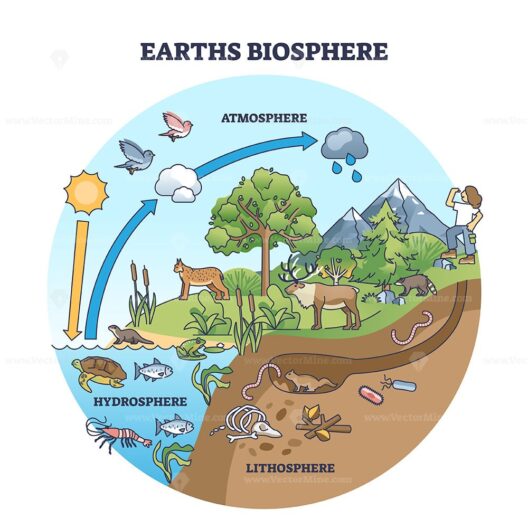
Beyond the biochemical processes, photosynthesis also influences global energy dynamics. Through the sequestration of carbon dioxide and the release of oxygen, photosynthesis plays a pivotal role in mitigating climate change and maintaining environmental equilibrium. The functionality of photosynthesis ensures that energy from the sun is harnessed, transformed, and utilized by various organisms, forming the foundation of food webs and ecological relationships. By converting solar energy into a usable form, photosynthesis sustains not only plant life but also terrestrial and aquatic animals, thereby demonstrating its far-reaching implications.
The implications of photosynthesis echo through various spheres of human activity as well. As society grapples with the growing challenges of climate change, understanding this process becomes increasingly critical. Innovations in renewable energy technology often draw inspiration from the principles of photosynthesis. Solar panels, for instance, embody the fundamental idea of capturing sunlight and converting it into usable energy, akin to the mechanism employed by plants. Green technologies aimed at enhancing carbon capture are also rooted in the concepts derived from photosynthesis, highlighting its potential as a model for sustainable development.
In summary, photosynthesis is a quintessential exemplar of the law of energy conservation. The transformative journey of light energy into chemical energy exacerbates the intricacies of ecological interactions. Through efficient energy conversion processes, photosynthesis not only sustains life but also underpins the energy foundations of ecosystems. Though some energy is lost as heat, the primary function of photosynthesis adheres to the principles of conservation, showcasing the remarkable ability of living organisms to harness and utilize energy from the sun. Furthermore, as global efforts increasingly focus on sustainable practices, the understanding of photosynthesis will continue to inform strategies aimed at combating climate change and fostering ecological resilience. As an essential process, photosynthesis reaffirms the delicate interconnections within our environment and the paramount importance of preserving it for future generations.