



Global warming, a term that has pervaded our modern lexicon, invokes a myriad of emotions and reactions from individuals and communities worldwide. The discussion surrounding it often spirals towards the role of fossil fuels, a primary energy source that has powered industrial revolution and modern conveniences. The pivotal question arises: does using too much fossil fuel really cause global warming? To dissect this critical inquiry, we must delve into the fundamental processes of climate change, examine the intricate relationship between fossil fuels and greenhouse gas emissions, and consider the broader implications for ecosystems and humanity.
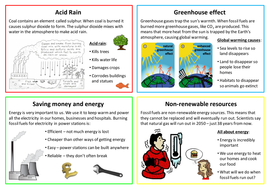
To comprehend the impact of fossil fuels on global warming, we must first acknowledge the inherent nature of these energy resources. Fossil fuels, including coal, oil, and natural gas, originate from the decomposition of organic matter over millions of years. When combusted for energy production, transportation, and industrial processes, they release an array of greenhouse gases (GHGs), primarily carbon dioxide (CO₂), methane (CH₄), and nitrous oxide (N₂O). This atmospheric influx of GHGs traps heat within the Earth’s atmosphere, culminating in a phenomenon known as the greenhouse effect.
The greenhouse effect is analogous to a blanketing layer surrounding our planet. Solar radiation permeates this layer, warming the Earth’s surface. However, GHGs obstruct the escape of some of this heat, leading to an overall increase in global temperatures. Scientific consensus affirms that the escalating concentration of these gases is indisputably linked to anthropogenic activities, with fossil fuel combustion being the predominant contributor. The Intergovernmental Panel on Climate Change (IPCC) has articulated in various reports that carbon dioxide levels have soared over 40% since the onset of the Industrial Revolution due to fossil fuel use.
This dramatic uptick poses significant ramifications for the climate system. The resultant increase in average global temperatures triggers a cascade of environmental changes. Ice caps and glaciers retreat, causing sea levels to rise and threatening coastal communities. Extreme weather events, such as hurricanes, droughts, and heatwaves, proliferate with increased intensity and frequency. Each of these phenomena can be directly or indirectly correlated to the excessive reliance on fossil fuels. The scientific community continues to unravel the complex web of these connections, revealing a stark reality: our energy choices are intertwined with the future habitability of our planet.
Yet, it is compelling to ponder why fossil fuels, despite their detrimental consequences, remain the backbone of current global energy systems. The inertia surrounding fossil fuel usage stems from multiple factors, including economic, social, and infrastructural dimensions. Economically, fossil fuel extraction and utilization often confer significant profits and employment opportunities. Entire industries have been built around these resources, creating a dependency that is challenging to dismantle swiftly. Furthermore, current energy infrastructures heavily favor fossil fuel-based systems, rendering the transition to renewable energy sources an arduous task filled with obstacles.
Moreover, the fascination with fossil fuels is not merely an economic endeavor but is steeped in historical precedent. The Industrial Revolution heralded an age of extraordinary growth and progress, predicated on fossil energy. This epoch shifted societal paradigms, enabling unprecedented advancements in technology, medicine, and communication. However, reverence for progress must be tempered with an acute awareness of the sustainability of such advancements. As societies grapple with the consequences of climate change, a profound reevaluation of the role of fossil fuels becomes imperative.
Consider, for instance, the alarming projections regarding temperature rises. Should the global temperature rise by more than 2°C above pre-industrial levels—a threshold deemed necessary to avert catastrophic impacts—the repercussions could be irrevocable. Coral reef ecosystems face annihilation, agricultural yields may plummet, and freshwater resources could dwindle, exacerbating food and water insecurity. With this potential future looming, the environmental toll of fossil fuel usage compels immediate action toward mitigation strategies.
Transitioning to alternative energy sources presents not only challenges but also myriad opportunities. Renewable energies, such as solar, wind, and hydroelectric power, offer sustainable, low-carbon alternatives to fossil fuels. Innovations in these sectors burgeon, driven by consumer demand, technological advancements, and policy initiatives aimed at reducing carbon footprints. Furthermore, energy efficiencies can be optimized in transportation and buildings, lessening reliance on fossil resources while ensuring economic viability.
In essence, the existential threat posed by global warming is intricately tied to fossil fuel consumption. The detrimental impacts extend beyond increased greenhouse gas emissions—they encompass multifaceted social, economic, and environmental paradigms that warrant critical attention. The response to this challenge is not insurmountable but requires collective resolve, systemic change, and an unwavering commitment to sustainability.
In conclusion, the question of whether using too much fossil fuel causes global warming is not merely academic. It reflects a stark reality that demands introspection and accountability across all sectors of society. Recognizing the interconnectedness of fossil fuel consumption and climate change compels a paradigm shift toward sustainable practices. The legacy of fossil fuels should not be one of destruction and adverse environmental impact, but rather a catalyst for innovation and a profound transition toward a more sustainable and resilient future. It is this future that we owe to the next generations inhabiting this planet.