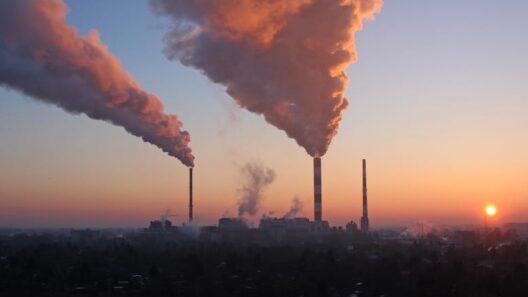




In the realm of climate discourse, it is essential to approach the phenomenon of global warming with scientific rigor and precision. A common misstep in public conversation is attributing every warm day or unusual weather pattern directly to global warming. This tendency can muddle the discourse, trivializing the complexities of climate science. In this analysis, we delve into the distinctions necessary for understanding the interplay between climate change and daily weather variations.
Firstly, one must differentiate between weather and climate. Weather comprises the short-term atmospheric conditions in a specific place at a given time—temperature, humidity, precipitation, and so forth. In contrast, climate represents the long-term averages and variations of these meteorological phenomena over extended periods, typically 30 years or more, in a particular region. Therefore, while a warm day might be noteworthy, it is insufficient evidence to claim a definitive link to global warming.
Moving into the more intricate layers of climate science, it is crucial to recognize the role of natural variability. The Earth’s climate system is inherently complex and influenced by numerous factors, including ocean currents, solar radiation, and volcanic activity. These elements can lead to short-term fluctuations, such as those witnessed through El Niño or La Niña events, which can cause temporary warming or cooling in specific regions without implying a broader climatic trend.
Moreover, the phenomenon known as the “urban heat island effect” can skew perceptions of local temperatures. Urban areas, characterized by dense populations and extensive concrete and asphalt, typically experience higher temperatures than their rural counterparts. This localized warming does not indicate global climate change; rather, it reflects anthropogenic land-use changes. As such, while numerous cities report record-breaking heat, it is misleading to hastily generalize these occurrences as definitive evidence of global warming.
The media often has a propensity to sensationalize weather events in the context of climate change. The relationship between extreme weather and climate warming is intricate. While climate change can exacerbate the frequency and intensity of severe weather events—such as hurricanes, droughts, and heatwaves—short-lived weather phenomena should not automatically be conflated with long-term trends. For instance, an anomalously warm winter can occur, but this does not negate the observed warming trends over decades or centuries.
Additionally, the concept of climate change involves long-term averages, evidencing shifts over decades or centuries. Current increases in global temperatures are substantiated by extensive research and cannot be overlooked. However, attributing every instance of warmth to climate change detracts from understanding the nuanced and systemic changes occurring within the Earth’s climate system. For example, while the frequency of hot days has increased in several regions, this trend is studied within the framework of climate models that project future warming scenarios. Isolated incidents of warm days require contextualization within these models to grasp their implications fully.
Furthermore, it is imperative to consider geographic context when discussing temperature anomalies. Localized weather events may contradict broader climatic patterns. For instance, while one region may experience unseasonably warm temperatures, another may face unprecedented cold. This disparity illustrates the principle of regional variability, emphasizing that the globe can exhibit divergent climate experiences simultaneously. This aspect tends to get overlooked in mainstream narratives that strive to simplify climate discourse into digestible sound bites.
Public perception plays a pivotal role in enacting environmental policies. Misinterpretations of climate data can lead to misinformed public opinion, resulting in a misguided sense of urgency regarding specific weather events. It fosters skepticism about the significance of climate science when people encounter record-breaking temperatures or harsh winters that seem incongruent with global warming narratives. Thus, fostering an informed dialogue around climate change necessitates a commitment to accuracy, nuance, and education.
To counteract the oversimplification of climate issues, it is vital to educate audiences about the importance of scientific literacy. Understanding the science behind climate change enables individuals to parse apart complex data and recognize the multifaceted nature of climate-related issues. Engaging with primary literature, attending educational forums, or participating in community discussions around climate science can provide substantial insights beyond the headline news. These methods contribute to a holistic understanding that transcends sensationalism and misinformation.
In conclusion, while the manifestations of weather can be intriguing and impactful in our daily lives, they should not be hastily categorized under the broader umbrella of global warming. Climate change comprises long-term trends and systemic shifts that require careful examination and a deeper comprehension of atmospheric science. Dismissing every warm day as a manifestation of global warming risks diluting the very essence of the climate crisis and its long-term implications. Instead, fostering informed conversations around climate science, transparency of data, and public education will empower a more robust engagement with this critical global challenge.
Addressing the climate crisis effectively hinges upon our ability to discern the multifaceted nature of our environment. By resisting the urge to simplify complex climatic phenomena into quick narratives, we can cultivate a more informed populace, ready to address the intricacies of climate change with the gravity it demands, engendering a collective commitment to sustainable practices and policies that benefit both current and future generations.