

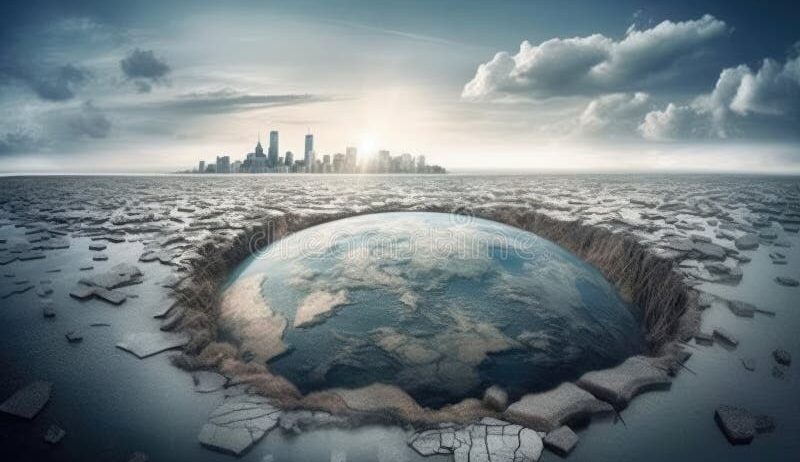

As the sun bleeds into the horizon, casting a golden glow across vast expanses of shimmering water, one could easily be lulled by the enchanting beauty of the ocean. However, this picturesque scene eclipses an imminent peril—the relentless rise of sea levels, an insidious force quietly engulfing coastlines and changing lives forever. The metaphor of a drowning earth is not merely a poetic device; it is a stark reality driven by the inexorable march of climate change.
Sea level rise is akin to a specter haunting the shores. This menace is primarily fueled by two interconnected phenomena: the thermal expansion of seawater as it warms and the accelerated melting of glaciers and polar ice caps. The Intergovernmental Panel on Climate Change (IPCC) underscores that average global sea levels have risen by approximately 8 to 9 inches since the late 19th century. This seemingly modest increase harbors profound implications for millions of people dwelling in low-lying coastal areas.
Geographically diverse, coastlines are home to vibrant ecosystems as well as human populations. Mangroves, salt marshes, and other coastal habitats offer sanctuary to myriad species, while simultaneously serving as natural barriers against storm surges. Yet, as sea levels ascend, these ecosystems become increasingly compromised. Drowning shores are not merely geographical shifts; they represent cultural erasure. Communities are displaced, traditions lost, and the social fabric of coastal life is irrevocably torn apart.
Consider the plight of cities like Venice, where gondolas navigate the canals that are slowly turning into harbors of despair. Venice stands as a poignant testament to the vulnerability inherent in historic coastal cities. Once revered for its architectural splendor, it now grapples with regular flooding, with the inhabitants’ lives cast in uncertainty. The high tide, once a marvel of nature, transforms into an adversary, illustrating the capriciousness of our environment.
Globally, the incoming tide poses a threat to over 600 million people living within coastal areas. Many of these individuals are impoverished, residing in fragile settlements that lack the resources to construct robust defenses against rising waters. The discourse surrounding climate change often neglects the human element, focusing predominantly on temperature curves and carbon emissions. Yet, beneath the graphs and statistics lie narratives of resilience, loss, and adaptation.
The repercussions of rising sea levels extend beyond the immediate physical threats. They exacerbate existing socio-economic disparities. As coastal properties become increasingly at risk, property values plummet, destabilizing local economies. Insurance companies assess the impending risk, leaving residents with dwindling options and escalating costs. This financial strain breeds a paradox: as the land becomes more perilous, its market value dwindles, forcing families into precarious situations where relocation is not merely preferable—it is imperative.
In response to these encroaching challenges, several communities have undertaken adaptive strategies. From the construction of seawalls to the implementation of managed retreat, these measures aim to mitigate the impact of sea level rise. For instance, the city of New York has invested heavily in resilience projects following Superstorm Sandy, fortifying its coastlines and restoring natural barriers. Meanwhile, in the Maldives, a country emblematic of climate vulnerability, officials have proposed various innovative solutions, including floating islands that embrace the fluidity of their environment as they navigate this rising tide.
The challenge of rising waters, however, necessitates a global response. International collaboration is crucial to addressing climate change comprehensively. Initiatives like the Paris Agreement strive to curtail greenhouse gas emissions and limit warming, underscoring the interconnectedness of our planet’s ecosystems. Yet, governmental commitments often lag behind scientific calls for urgency. Policymakers must grasp the gravity of the situation and the transient nature of coastal life, as inaction today may usher in collective despair tomorrow.
This burgeoning crisis is not insurmountable. The unique appeal of nature’s resilience can inspire solutions rooted in ecological strategies. Wetland restoration, reforestation, and sustainable land use are critical in both mitigating climate change and enhancing community resilience. These approaches do not merely serve as stopgap measures; they foster a symbiotic relationship between human existence and the natural environment.
Education is paramount in this struggle. Raising awareness about the realities of rising sea levels can galvanize communities to act decisively. The narrative surrounding climate change must resonate on an emotional level, igniting passion and advocacy amongst individuals. The ocean’s ebbs and flows should serve as a clarion call for stewardship—an acknowledgment that humanity is not separate from nature, but intricately interwoven with it.
The metaphoric drowning of our planet brings to light a crucial realization: we hold the power to decide the fate of our shores. Whether through sustainable practices, advocacy, or innovation, the path forward is laden with possibility. The ocean may rise, but so too can our determination to safeguard the future. It presents a poignant choice: to allow our shores to be devoured by the sea or to embrace a concerted effort to restore, protect, and sustain the delicate balance that keeps our coastal lives afloat. The relentless march of rising sea levels serves not only as a harbinger of doom but as a spark for collective awakening in our quest for environmental justice.