


Earth, our precious planet, is experiencing a profound transformation, often described as a fever due to the relentless rise in global temperatures. This gradual warming, propelled primarily by anthropogenic activities, has initiated a cascade of changes across diverse ecosystems and human societies. The repercussions of these shifts are multifaceted, affecting the climate, biodiversity, and even human health. Understanding how global warming reshapes our world is crucial for devising effective responses to mitigate its impacts.
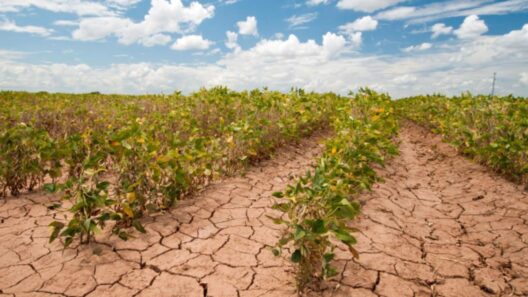
One of the most conspicuous manifestations of global warming is the alteration of weather patterns. As temperatures ascend, the atmosphere’s capacity to hold moisture increases, leading to more intense and erratic precipitation events. This phenomenon contributes to a duality of consequences: regions may face unprecedented droughts while others are inundated with torrential rains. The disparity in precipitation can destabilize agricultural systems, threatening food security. Crop yields fluctuate dramatically, as farmers struggle to adapt to shifting climate conditions. Nations that heavily depend on agriculture are particularly vulnerable, facing the risk of famine and economic collapse.
Alongside climatic shifts comes the melting of polar ice caps and glaciers. The polar regions, once pristine expanses of ice, are currently succumbing to an alarming rate of thawing. The Arctic, a bellwether for climate change, exhibits a troubling trend with sea ice extent diminishing. As glaciers recede, significant amounts of freshwater flow into the oceans, contributing to rising sea levels. Coastal communities are increasingly at risk, with some already witnessing the encroachment of seawater into freshwater resources and infrastructure. This phenomenon is not merely a future threat; it is an ongoing crisis, resulting in displacement and forced migration for millions.
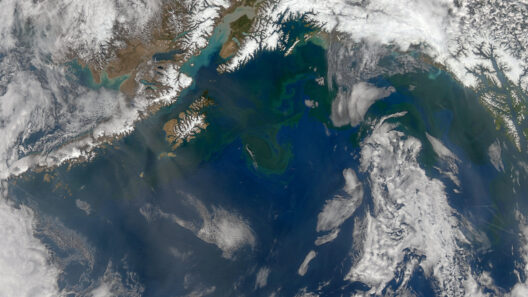
The acceleration of sea level rise is accompanied by oceanic changes, which introduce additional layers of complexity to the climate crisis. Oceans absorb a substantial portion of carbon dioxide emissions, resulting in ocean acidification, detrimental to marine ecosystems. Coral reefs, often dubbed the rainforests of the sea, exhibit alarming bleaching events, leading to substantial biodiversity loss. The ramifications extend beyond flora; as marine species grapple with changing habitats, entire fishing communities reliant on stable fish populations suffer economic hardship.
Moreover, global warming facilitates the alteration of ecosystems and habitats. Species find themselves mismatched with shifting climatic zones, prompting some to migrate toward cooler regions. This phenomenon, however, is not universally advantageous; many organisms, particularly those confined to specialized environments, face extinction. The extinction crisis exacerbates biodiversity loss, undermining ecosystem services that humans depend on for clean air, water, and fertile soil. The delicate balance of ecosystems is disrupted, leading to unpredictable consequences.
From an atmospheric perspective, increased temperatures correlate with a heightened frequency of extreme weather events. Hurricanes, cyclones, and typhoons exhibit increased intensity, wreaking havoc on populated areas. The devastation wrought by these natural disasters reflects not only the immediate impacts on human life but also long-term infrastructural damage. Recovery efforts can take years, draining resources and diverting attention from other pressing issues.
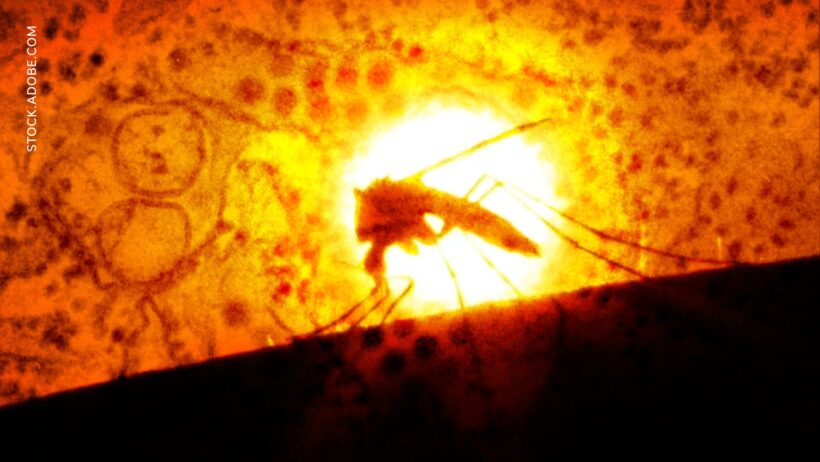
Health implications associated with a warmer planet are equally concerning. The prevalence of vector-borne diseases is skyrocketing as warmer temperatures extend the habitats of mosquitoes, ticks, and other disease carriers. Dengue fever, malaria, and Lyme disease are becoming increasingly prevalent in regions once deemed inhospitable to these pathogens. Furthermore, heatwaves pose significant threats to human health, particularly among vulnerable populations. As temperatures continue to rise, the risk of heat-related illnesses escalates, necessitating urgent adaptations in public health policies.
Addressing the climate crisis requires a multifaceted approach, integrating mitigation and adaptation strategies. Transitioning to renewable energy sources, such as solar, wind, and hydropower, is imperative in reducing greenhouse gas emissions. Furthermore, policies promoting energy efficiency and sustainable transportation are essential for curbing carbon footprints. Investment in reforestation and preservation of existing forests is equally crucial, as these ecosystems act as carbon sinks, sequestering CO2 from the atmosphere.
Adaptation strategies must also be robust, particularly for communities already facing the brunt of climate change. Building resilient infrastructure, developing sustainable agricultural practices, and ensuring equitable access to resources can fortify vulnerable populations against climate impacts. Moreover, raising public awareness of climate issues fosters a collective commitment to reducing emissions and promoting sustainable living.
In conclusion, global warming stands as a paramount challenge of our time, reshaping the very fabric of our planet. The interplay between climate, ecosystems, and human health underscores the urgency of action. By understanding the intricate tapestry of climate change, individuals, communities, and nations can galvanize efforts to combat its effects and work towards a more sustainable future. The stakes are indeed high, but with concerted efforts, there exists a pathway to a resilient and thriving planet.