

Energy conservation is a fundamental concept in both physics and science that revolves around the principle that energy cannot be created or destroyed, only transformed from one form to another. This principle is foundational for understanding numerous phenomena across various scientific disciplines, particularly in the realm of thermodynamics, mechanical engineering, and environmental science. Through this discourse, we will elucidate the various aspects and types of content associated with energy conservation.
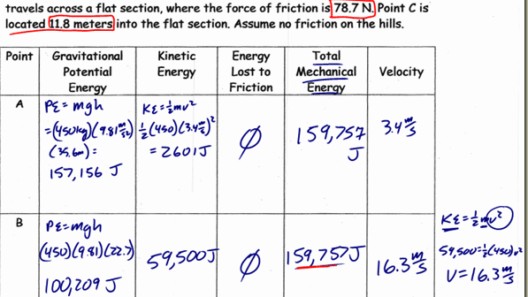
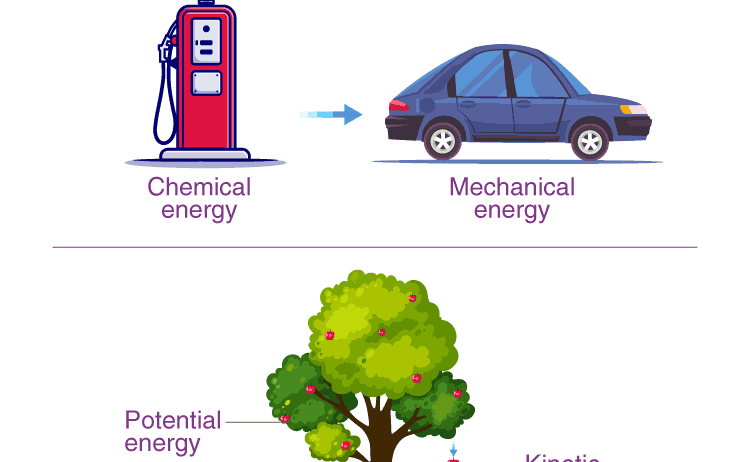
The law of conservation of energy posits that the total energy within an isolated system remains constant over time. This assertion is substantiated by empirical studies and mathematical formulations that demonstrate how energy transmutates between kinetic, potential, thermal, and other energy forms. For instance, when an object is lifted against the gravitational pull, potential energy accumulates. Conversely, when it is released, this potential energy transitions into kinetic energy as the object accelerates downward. Such transformations epitomize energy conservation in action.
In exploring the myriad manifestations of energy conservation, several types of content emerge. Scientific discussions often delve into mathematical models and equations that encapsulate energy transformations. One such equation is the principle of conservation of mechanical energy, which articulates that the sum of kinetic and potential energies remains constant in the absence of non-conservative forces like friction. The mathematical representation is elucidated as:
Total Energy (E) = Kinetic Energy (KE) + Potential Energy (PE)
Furthermore, in the context of thermal energy, energy conservation can be examined through the lens of the first law of thermodynamics, which states that heat added to a system equals the work done by the system plus the change in its internal energy. This law is pivotal in understanding concepts related to heat engines and refrigerators, where energy is transformed and transferred within the system while adhering to conservation laws.
Environmental implications of energy conservation are vast and multifaceted. As the world grapples with climate change, an increased understanding of energy conservation becomes imperative. The focus shifts to sustainable practices and technologies aimed at reducing energy waste. This discourse can branch into discussing renewable energy sources, such as solar, wind, and hydroelectric power, as well as energy efficiency measures in residential and commercial settings.
For instance, energy-efficient appliances play a significant role in conserving both energy and resources. By utilizing technologies that minimize energy consumption during operation, households can significantly reduce their carbon footprints. Additionally, building designs that incorporate passive solar heating and geothermal heating can further diminish the reliance on fossil fuels.
Another vital area of conversation pertains to the concept of energy audits. These assessments evaluate energy use within a facility or home, identifying opportunities for improvement and optimization. The insights gained from energy audits facilitate effective implementations of energy-saving measures, thus fostering a culture of conservation among consumers and industries alike.
In academia, energy conservation is also a subject of inquiry and research. Scholars and researchers explore advanced materials that enhance energy storage, such as developments in battery technology, supercapacitors, and thermal energy storage systems. These technologies are particularly crucial in facilitating the transition to a more sustainable energy landscape. Innovations aimed at improving energy density, longevity, and rechargeability are essential for enhancing the viability of renewable energy applications, especially in transport and large-scale energy distribution.
Education surrounding energy conservation is vital as well. In schools, curricula often integrate lessons about energy types, transformations, and the broader significance of conservation. Initiatives encourage students to partake in energy conservation programs, helping instill principles of sustainability in younger generations. Educational content may encompass practical tips for reducing consumption, scientific experiments involving energy transfer, or community projects that promote awareness regarding renewable energy sources.
Moreover, governmental policies play a crucial role in fostering energy conservation. Legislation aimed at mandating energy efficiency standards for appliances, vehicles, and buildings promotes systemic changes that encourage sustainable practices. Incentives for adopting renewable energy technologies and retrofitting buildings are additional facets of policy that facilitate energy conservation on a broader scale. The synergistic relationship between policy, technology, and public awareness culminates in more robust conservation efforts.
Furthermore, the socio-economic dimension of energy conservation cannot be overlooked. Globally, access to energy varies significantly between communities, impacting quality of life and economic development. Energy conservation strategies that are economically feasible can empower underprivileged communities, providing them with sustainable solutions that enhance their resilience and independence. These strategies may encompass community solar projects, small-scale wind installations, or localized energy cooperatives designed to foster self-sufficiency.
In the context of energy conservation, the interplay between individual actions and collective efforts is paramount. Each individual’s commitment to reducing energy consumption aggregates to significant impacts on a global scale. Simple acts, such as turning off lights when not in use, using public transport, and advocating for renewable energy policies, contribute to the overarching goal of energy conservation.
In conclusion, energy conservation, anchored in the fundamental principles of physics and science, encompasses a broad spectrum of topics ranging from theoretical frameworks to practical applications. By understanding the myriad forms of energy, the implications of our consumption patterns, and the importance of technological advancements, society can navigate toward a more sustainable energy future. From academic research and educational initiatives to policy formulation and community empowerment, the path to energy conservation is varied yet interconnected, ultimately leading to a more sustainable and resilient global environment.