

As we delve into the intricate relationship between global warming and the phenomenon of evaporation, one must pose this playful question: Have you ever pondered how much water is slipping through our fingers as temperatures rise? The increasing urgency of climate change reveals that the natural cycles of our planet are being hastened, and evaporation is one of the primary culprits. This article will explore the dynamics of evaporation escalation, the science behind it, and the broader implications for ecosystems and human society.
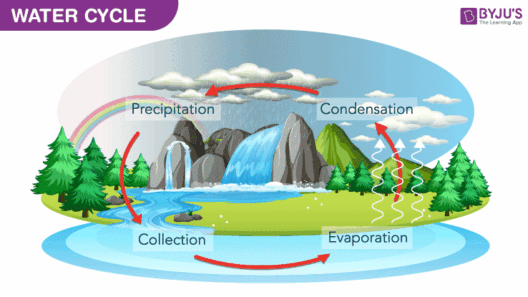
The processes of evaporation and transpiration, collectively known as evapotranspiration, are critical elements in the Earth’s hydrological cycle. Water from oceans, rivers, lakes, and even the soil can transition from liquid to vapor, floating back into the atmosphere. This transformation is not merely a physical alteration; it also serves as a vital mechanism for temperature regulation across the globe. However, global warming dramatically impacts this equilibrium.
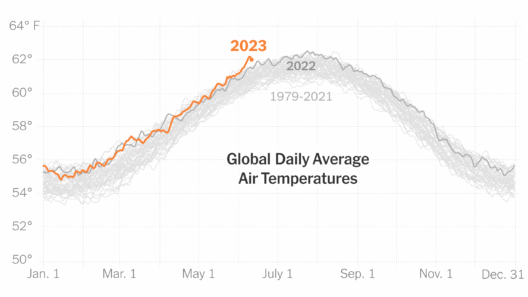
As the Earth’s temperature continues to increase, the capacity of the atmosphere to hold moisture expands. Warmer air can store more water vapor, which accelerates the rate of evaporation. It is estimated that for every degree Celsius increase in temperature, the air can hold approximately 7% more moisture. Consequently, areas that once had ample water resources may find themselves in precarious situations as evaporation outpaces precipitation.
This phenomenon has profound implications on land, agriculture, and ecosystem health. Drier conditions induced by accelerated evaporation capabilities can lead to unsustainable agricultural practices. Farmers may face an increasing challenge to maintain adequate soil moisture, exacerbating the issue of food security. Imagine a farmer’s frustration as they watch fields wilt under the sun, water nutrients evaporating as quickly as they can be applied. The agricultural sector must adapt by adopting more efficient irrigation techniques or shifting towards crops that are more resilient to drought conditions. This transition, however, is fraught with obstacles regarding resource allocation and economic viability.
Furthermore, evaporation escalation doesn’t merely hinder agricultural yield; it also poses significant risks to biodiversity. Terrestrial and aquatic ecosystems depend on balanced water levels. As evaporation increases and water bodies recede, habitats for countless species are threatened. Wetland ecosystems, in particular, are highly susceptible, as these delicate environments require specific moisture levels to thrive. A significant loss of wetland area could lead to irreversible damage, impacting not just plant life but also the numerous animals that rely on these habitats for survival.
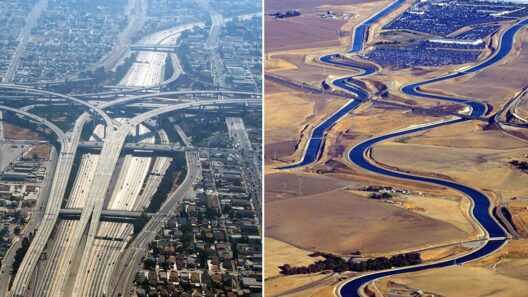
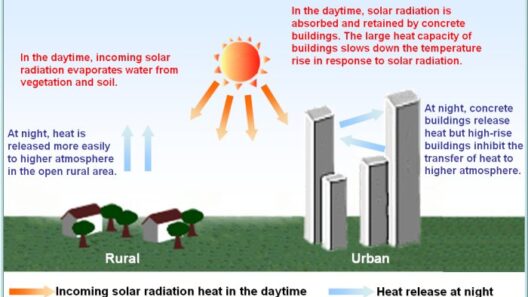
Moreover, the urban landscape faces its own challenges amidst rising temperatures and escalating evaporation rates. Cities, often termed “heat islands,” tend to experience even more acute temperature increases than surrounding rural areas. The concrete and asphalt absorb heat, causing air temperatures to soar, which in turn enhances evaporation. This cycle creates higher demands for water in urban settings, straining already stretched water supplies. As a result, urban planners are increasingly tasked with developing sustainable practices that mitigate water loss and promote green infrastructure.
In addition to immediate environmental consequences, the broader social implications merit thorough examination. Prolonged droughts lead to water scarcity, which ignites disputes over water rights and usage, significantly among communities reliant on shared water sources. Inter-regional conflicts over diminishing water supplies can destabilize societies, leading to a myriad of geopolitical tensions. For instance, the Nile Basin countries face ongoing disputes about water allocation; rising temperatures exacerbate the contention as evaporation reduces the Nile’s flow. Adapting to this shortage will require innovative policy solutions and international cooperation to manage shared resources effectively.
Interestingly, while we often focus on drought and evaporation, it is crucial to recognize the paradox that it presents when discussing global warming. The increase in vapor in the atmosphere can lead to greater precipitation in certain regions, resulting in intensified storms and floods. This contrasting phenomenon further complicates the climate change narrative, as communities must simultaneously prepare for both scarcity and excess. Such volatility highlights the necessity for adaptive management strategies across various socio-ecological realms.
To effectively tackle the challenge posed by evaporation escalation, a multipronged approach is essential. First and foremost, there must be an acceleration in adopting conservation practices, from households to large-scale agricultural producers. Simple actions, like using rainwater collection systems or xeriscaping, can significantly reduce individual water footprints. Additionally, innovations in water-saving technologies and methodologies should receive heightened attention and investment. Researchers and engineers are striving to create smart irrigation systems that minimize waste and maximize efficiency, leveraging data analytics and automation.
Moreover, public awareness campaigns can educate communities about the critical nature of evaporation in the context of climate change. Understanding its impacts empowers individuals to engage in policy dialogues and advocate for environmental stewardship. Citizens can participate in collective action initiatives aimed at preserving water resources, thus necessitating governmental support for sustainable practices that divert focus towards long-term ecological health.
In conclusion, the escalating rates of evaporation due to global warming present a formidable challenge impacting not only the natural environment but also human society as a whole. The interplay between rising temperatures and shifting water availability complicates our ability to maintain ecological balance and food security. However, with targeted action and awareness, it is possible to navigate this complex terrain. It necessitates a reevaluation of water management strategies, public engagement in conservation, and international cooperation to prevent this crucial resource from evaporating just as quickly as it is replenished. Addressing the dual challenges of drought and deluge will ultimately determine our resilience in the face of climate change.