

As the Earth’s temperature continues to ascend, robust evidence substantiates the ongoing phenomenon of global warming. This upward trajectory in temperatures has far-reaching implications for ecosystems, weather patterns, and ultimately, human survival. To comprehend the multifaceted evidence in the heat, it is essential to examine various elements contributing to the narrative of climate change.
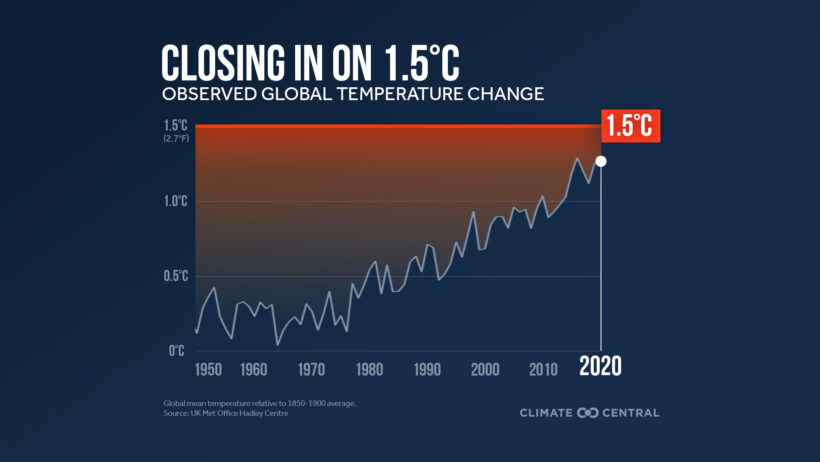
Firstly, the instrumental temperature records provide a quantitative backbone to the global warming discourse. Since the late 19th century, scientists have meticulously monitored temperatures using a network of ground stations. This data reveals a discernible upward trend around the globe. The last four decades have been particularly alarming, representing the warmest years on record. These statistics are not mere anomalies but rather significant indicators of a systemic shift in Earth’s climate.
Moreover, satellite observations furnish complementary data, offering insights into broader atmospheric conditions and surface temperatures. With advanced technology, satellites can track changes in Earth’s radiation levels and surface temperatures from space. Such measurements furnish a comprehensive understanding of warming trends, accentuating the stark contrast in temperature increases between land and ocean surfaces. The ocean, absorbing approximately 93 percent of the excess heat generated by greenhouse gases, has demonstrated considerable warming, impacting marine ecosystems significantly.
In addition to quantitative data, qualitative evidence emerges from biogeographical shifts, notably within flora and fauna. Species are responding to rising temperatures and altered precipitation patterns by migrating toward cooler areas or changing their reproductive cycles. For instance, certain butterfly species are moving their ranges northward, while plant blooming seasons have shifted earlier. These biological changes indicate a disruption of ecological balances, leading to cascading impacts on food webs and biodiversity.
The phenomenon known as urban heat islands (UHI) elucidates how human habitation amplifies temperature metrics. Urbanization alters local climates through the replacement of natural land with impervious surfaces like concrete and asphalt, subsequently retaining heat. Consequently, cities experience higher temperatures than their rural counterparts, creating a localized manifestation of global warming. Real-time examples include cities such as Phoenix and Los Angeles, which exhibit marked temperature disparities compared to surrounding areas, emphasizing the intersection between urban development and climate change.
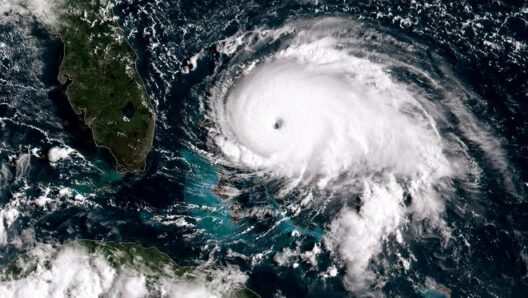
Atmospheric changes further accentuate the evidence of global warming through the increased frequency and severity of extreme weather events. The correlation between rising temperatures and intensified storms, heatwaves, and droughts has been extensively documented. Warmer air holds more moisture, leading to more intense precipitation events, while prolonged heatwaves can exacerbate drought conditions. These occurrences disrupt agricultural practices, threaten water supply, and pose substantial risks to human health.
To delve deeper into the oceanic implications of rising temperatures, one cannot overlook the phenomenon of ocean acidification. As CO2 levels rise, oceans absorb significant amounts of carbon dioxide, leading to higher acidity levels. This adverse change in chemical composition affects marine life, particularly organisms with calcium carbonate structures, such as corals and shellfish. Coral reefs, referred to as the “rainforests of the sea,” are particularly vulnerable to bleaching events attributable to elevated temperatures. The loss of these ecosystems would have dire consequences on marine biodiversity, fisheries, and coastal communities relying on these resources.
Permafrost thawing offers another striking piece of evidence in the climate change puzzle. Ancient organic materials trapped within permafrost release methane and carbon dioxide as they decompose, creating feedback loops that exacerbate warming. This phenomenon accentuates the urgency for addressing climate change, as permafrost holds vast amounts of carbon, estimated to be twice the amount currently present in the atmosphere. Thus, thawing permafrost not only reflects rising temperatures but also contributes to further acceleration of global warming.
Moreover, glacial retreat serves as a compelling visual representation of the implications of rising temperatures. From the majestic glaciers of the Arctic to the Andes in South America, ice masses are rapidly diminishing. The alarming rates of glacial melt contribute significantly to rising sea levels, threatening coastal communities with inundation. Satellite imagery starkly showcases this phenomenon, presenting a visual testament to climate shifts that is indisputable and profound.
While the evidence is overwhelming, the narrative of climate change is bolstered by comprehensive climate models that simulate future warming scenarios based on current trends. Such projections alarmingly predict significant temperature increases if greenhouse gas emissions continue unabated. The ramifications of failing to act are dire, underscoring the need for immediate global intervention.
Lastly, the human element entwines deeply with these environmental shifts. The socio-economic impacts of climate change are profound, affecting agriculture, public health, and infrastructure resilience. Vulnerable communities, particularly in low-lying sea regions, face existential threats as global warming escalates. Therefore, the discourse on climate change must integrate not just environmental strategies but socio-political frameworks to foster sustainable practices and resilience against its inevitable consequences.
In conclusion, the evidence in the heat unequivocally articulates the reality of global warming. From rising temperatures and species migrations to urban heat islands and extreme weather phenomena, various elements converge to create an undeniable narrative. The implications of this evidence stretch beyond scientific realms, functioning as a clarion call for immediate action to mitigate the repercussions of climate change. It is a collective responsibility to foster awareness and enact change, as the consequences of inaction will reverberate across generations, profoundly altering life on Earth as we know it.