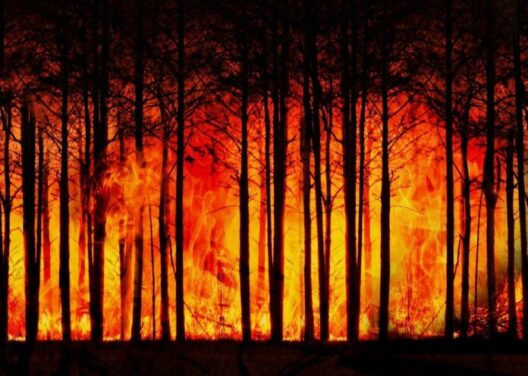



In the intricate tapestry of our planet’s ecosystem, forests play a seminal role, wielding immense power in the regulation of atmospheric conditions and the promotion of biodiversity. Yet, as global temperatures continue to ascend at alarming rates, the frightening reality of forest fires becomes an acute concern, exacerbated by the sinister specter of climate change. The interconnection between global warming and the ferocity of these blazes tarnishes the very essence of our verdant landscapes.
The quintessential relationship between fire and forest ecology has long been a subject of study. These naturally occurring phenomena can, in moderation, act as purgative events—clearing dead biomass and allowing new growth to flourish. However, as the drastic consequences of anthropogenic climate change unfold, wildfires have metamorphosed into rampant infernos that threaten not just flora and fauna, but the delicate balance of life on Earth.
Rising temperatures, a hallmark of global warming, serve as a precursor to increased fire incidence. Elevated atmospheric heat diminishes soil moisture, creating an optimal environment for flames to propagate. Rainforests, typically damp and resilient, are becoming increasingly susceptible to combustion. Drier conditions mean trees can no longer store water effectively, rendering them more ignitable. Furthermore, prolonged periods of drought, which are intensified by climatic shifts, lead to a cornucopia of dry vegetation—each blade of grass and fallen leaf forming a tinderbox primed for ignition.
Consider the unfathomable scale on which these elements converge—entire ecosystems stand as dormant kindling awaiting the spark of disaster. With climate change facilitating harsher weather patterns, the ferocity of these fires has become unprecedented. The 2019-2020 Australian bushfires illustrate this phenomenon starkly, where an estimated 3 billion animals perished, and an area larger than the size of Belgium was razed. This devastation hardly represents an isolated incident; rather, a harbinger of an increasingly fiery future fueled by global warming.
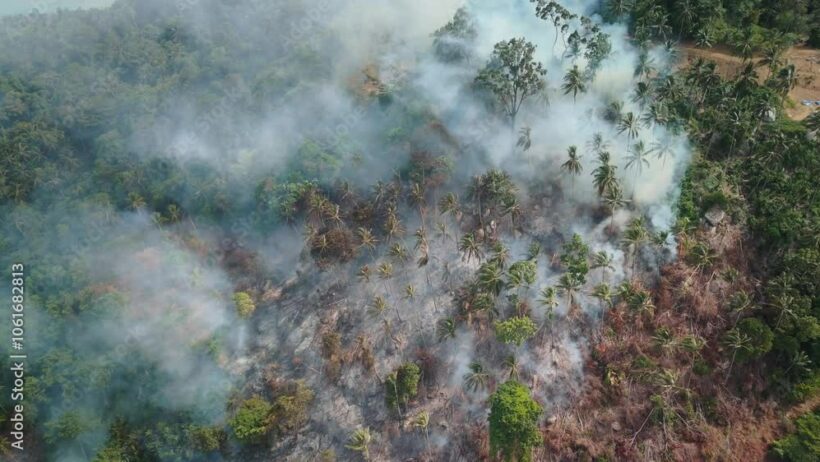
Enter the role of human activity, a significant accelerant in the fire narrative. Deforestation, driven by agriculture and urban expansion, strips landscapes of their natural resilience, eliminating protective flora that could otherwise limit the spread of flames. The cultivation of monocultures exacerbates this issue; vast expanses of uniform crops lack the biodiversity that helps maintain ecological stability. This leaves landscapes more vulnerable and susceptible to firestorms, transforming once-lush environments into desolate wastelands.
Yet, the very act of firefighting has evolved simultaneously, influenced directly by climatic change. Traditional strategies that relied on substantial ground resources are now sometimes futile against the vigorous flames of today’s wildfires. Firefighters are increasingly adopting preemptive measures, such as controlled burns—strategically igniting small fires under controlled circumstances to eliminate fuel and prevent larger blazes. Nevertheless, these tactics are fraught with risk, particularly in environments where the unpredictability of climate has rendered the very notion of control precarious.
Moreover, the frequency and intensity of wildfires compel us to reevaluate the very fabric of disaster management and land mitigation strategies. As the globe warms, the landscape of risk is shifting, laying bare the inadequacies of existing frameworks. Innovative strategies must be conceived, integrating technology and ecological understanding. Satellite monitoring now aids in tracking fire hotspots, while drones provide real-time assessments of wildfire spread, thereby enhancing response capabilities.
As we delve deeper into understanding the intricacies of these fires, one must confront the psychological and socioeconomic ramifications that accompany such devastating events. The human cost is profound—displacement, loss of livelihoods, and the psychological toll on affected communities reverberate long after the last ember fades. The cultural significance of land cannot be overstated, and for many, these ecosystems are inextricably linked to identity, tradition, and survival.
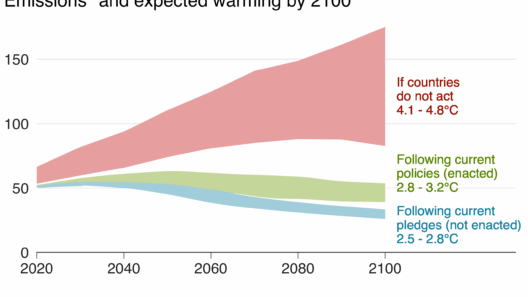
Furthermore, beyond the immediate devastation, the aftermath of forest fires casts a long shadow on global climatic stability. The carbon released during these conflagrations contributes to the very warming that exacerbates their occurrence. This feedback loop represents a critical dilemma, one that necessitates urgent and multifaceted responses. Active reforestation efforts and sustainable land management practices can mitigate the impact of wildfires while simultaneously sequestering carbon, thus playing a vital role in combating climate change.
Public engagement is paramount; understanding the connection between individual actions and collective consequences can foster a culture of responsibility. The narrative of fire and fury interlaces with awareness—educating communities about fire behavior, the signs of increasing wildfire risk, and sustainable practices is essential in forging a path toward resilience.
In the grand scheme of global ecology, the impact of climate change on forest fires offers a compelling lens through which to examine not only our present but also our shared future. The potential for transformation exists. By harnessing the power of innovation and adherence to sustainable practices, it may be possible to temper the fury of these increasingly frequent calamities. Together, humanity can cultivate a renewed alliance with the natural world, one where forests are not merely viewed as commodities but as vital allies in the battle against climate change.
In conclusion, the looming threat of forest fires, aggravated by global warming, necessitates a resolute and unified response. As awareness burgeons, so too does the opportunity for meaningful action—a rallying cry for individuals, communities, and nations to protect the sanctity of our ecosystems. The fight against the flames is not merely a fight for land, but a fight for our collective future, beckoning us to reconsider and reconnect with the environment that sustains us all.