

Florida’s West Central region, often celebrated for its sun-kissed beaches and balmy climate, is now confronting a harrowing reality in the wake of global warming. The picturesque sunsets and gentle breezes that entice millions of tourists also cloak profound changes that threaten the delicate equilibrium of its ecosystems. This is not just a local issue; it is emblematic of a global crisis that reverberates across continents and affects biodiversity, human health, and economic stability.
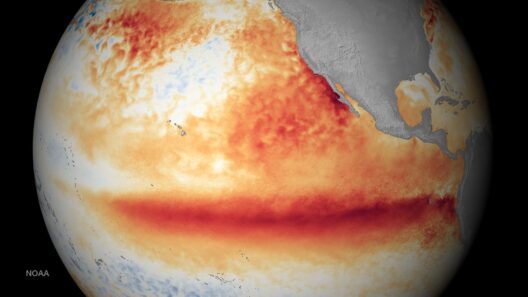
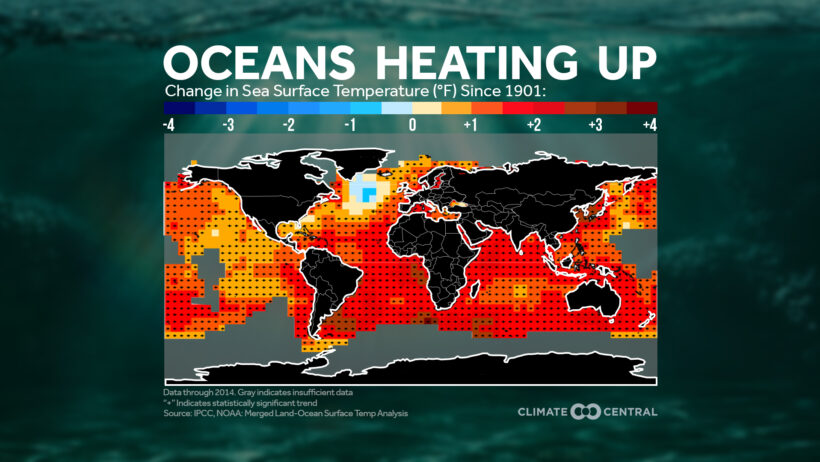
The phenomenon of rising temperatures is palpable in West Central Florida. Average annual temperatures have gradually ascended, with records indicating an alarming increase in heat waves and prolonged summer seasons. These shifts invite scrutiny into their causes and consequences. While many residents may express fascination with the sunny disposition of their locale, a deeper analysis unveils a tapestry of interlinked environmental factors that are intrinsically tied to human activity.
At the heart of Florida’s climatic transformation is the alarming rise in greenhouse gas emissions. The burning of fossil fuels, deforestation, and rampant urbanization contribute significantly to the carbon footprint. From the bustling streets of Tampa to the serene shores of Clearwater, carbon emissions are an omnipresent specter. Increased industrial activity, coupled with a burgeoning population reliant on vehicles, exacerbates the situation. The implications are stark—for every increase in carbon dioxide levels, a corresponding rise in temperature and erratic weather patterns ensues.
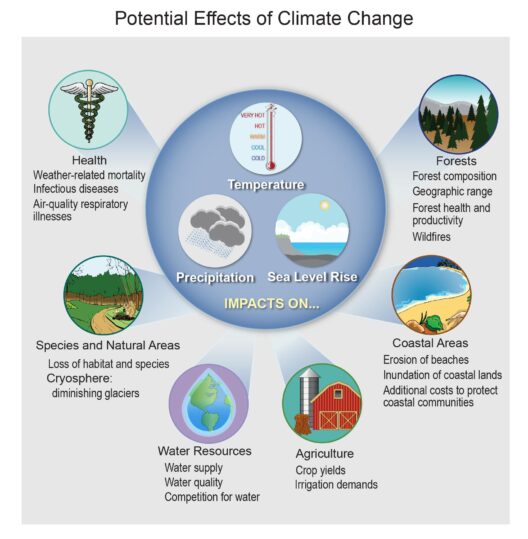
These fluctuations are not mere numerical abstractions; they translate into tangible consequences for the local populace. Coastal areas of West Central Florida are beginning to experience the ramifications of rising sea levels, a result of thermal expansion and glacial melt at the polar caps. Erosion threatens iconic beaches, while saltwater intrusion undermines the integrity of freshwater resources. The once-familiar landscape shifts dramatically, transforming local ecosystems that have thrived for millennia into vulnerable enclaves battling for survival.
The impacts extend beyond the inanimate. Flora and fauna in the region are also grappling with altered habitats and shifting migration patterns. Species that have adapted over generations face existential threats. The West Indian Manatee, native to Florida’s waters, is emblematic of this struggle. As seagrass beds diminish due to increased temperatures and nutrient runoff, the essential nourishing habitat for these gentle giants dwindles. Additionally, beloved species such as the Eastern Indigo Snake find themselves challenged by the encroachment of invasive species, which flourish in warmer conditions.
Pests and diseases, long relegated to the warm fringes of the state, are also moving inland as temperature increases bolster their survivability and reproduction rates. The West Central region, known for its agricultural output, now faces heightened challenges with crops susceptible to pests, increasing the reliance on chemical pesticides that can further disrupt local ecosystems and human health.
Moreover, the human dimension of global warming manifests in the health of communities. Respiratory issues, heat-related illnesses, and vector-borne diseases are surging as temperature averages climb. Vulnerable populations, including the elderly and those with preexisting health conditions, face disproportionate risks. The public health infrastructure must grapple with these emerging challenges amidst budget constraints, complicating efforts to ensure broad access to care.
As climate change reshapes the landscape, a paradox emerges. The allure of Florida’s beaches continues to draw millions, yet the environmental realities threaten the very essence of what makes this region special. Local governments and communities find themselves at a crossroads: to maintain a façade of balmy paradise, or to confront the burgeoning crisis and forge resilient pathways ahead. The latter option entails a concerted effort to integrate sustainable practices across sectors—from transportation to agriculture, from energy generation to urban planning.
Education thus becomes an indispensable tool in addressing this pressing crisis. Raising awareness about climate change and its local impacts fosters a sense of responsibility among residents. Initiatives promoting conservation, sustainable tourism, and reducing dependency on fossil fuels can empower communities towards a more climate-resilient future. Local leaders and activists are crucial in galvanizing collective action that seeks not merely to temporize the symptoms of climate change but to address its root causes.
Community engagement is essential in crafting solutions that resonate with residents’ values and lifestyles. Collaborations with regional businesses can champion eco-friendly practices, fostering a culture of sustainability. Restoration projects aimed at reviving wetlands and coastlines can enhance biodiversity while serving as natural buffers against storm surges. Such endeavors not only fortify the local environment but also reinvigorate the sense of place—ensuring that future generations will also cherish the beauty of West Central Florida.
In conclusion, Florida’s Warming West Central serves as a microcosm of a broader international dilemma. The intricate nexus of human activity, environmental changes, and socio-economic ramifications paints a complex picture requiring immediate and multifaceted responses. By addressing the root causes of climate change, fostering community resilience, and cherishing the natural world, the region can aspire to not merely adapt to new realities but thrive amidst the challenges inherent in an evolving climate.