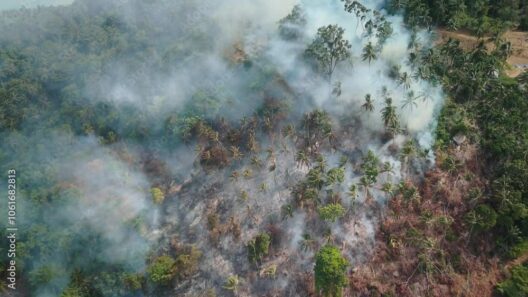


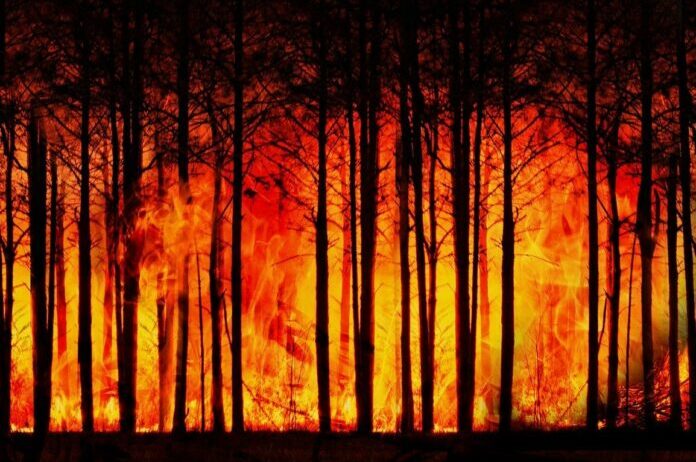

In recent years, the frequency and intensity of forest fires have increased dramatically across the globe, leading to urgent conversations about climate change and its multifaceted effects on our environment. As temperatures rise, the question emerges: is global warming the igniting force behind these devastating infernos? Investigating this profound topic unveils the intricate relationship between our warming planet and the increasing incidences of forest fires. Understanding the underlying mechanisms allows us to better grasp the challenges ahead and the imperative for collective action.
Forest fires are a natural phenomenon, playing an essential role in certain ecosystems. They facilitate nutrient recycling, promote biodiversity, and can even help in the regeneration of certain plant species. Yet, the alarming uptick in recent years transcends the boundaries of natural fire cycles, exerting profound consequences on global ecosystems. What causes this accelerated trend? Scientists pinpoint a potent mix of factors that intertwine with the omnipresent specter of climate change.
One of the most salient elements is the increase in temperature. As global temperatures elevate, so too does the moisture content in the air diminish, leading to drier conditions that are conducive to fire ignition and spread. Consequently, what was once a sporadic occurrence transforms into a rampant threat. Hotter temperatures combined with prolonged droughts create an arid environment where vegetation becomes desiccated and highly flammable. Moreover, we are witnessing a reduction in snowpack and earlier snowmelt, which exacerbates these conditions.
The phenomenon of “fire weather”—a term used to describe meteorological conditions that enhance the likelihood of fire outbreaks—has correspondingly intensified. Increased temperatures extend the fire season, rendering areas that are typically resilient to fire more susceptible. Regions that previously experienced limited fire risk are now grappling with accelerated incidences. Furthermore, abnormal weather patterns, fueled by shifting climatic conditions, contribute additional unpredictability to fire occurrences. This volatility illustrates a crucial point: climate change is not merely a future threat; it is an ever-present reality with immediate repercussions on our landscapes.
In addition to meteorological changes, the impact of human activities cannot be overlooked. Urbanization, land use changes, and deforestation contribute to the proliferation of fire risk. The expansion of human settlements into forested areas creates a precarious interface between humans and wildfires. A burgeoning population demands more resources, which often leads to a reckless exploitation of vulnerable habitats. Consequently, the intersection of human encroachment and climactic instability lays the groundwork for a catastrophic cycle that is difficult to interrupt.
Yet, there lies a deeper layer to this narrative. The synergy between climate change and forest fires presents an existential challenge that transcends local impacts and has significant global ramifications. Released carbon dioxide and other greenhouse gases from burning forests amplify climate change, creating a vicious cycle. Forests, revered as carbon sinks, are transformed into sources of emissions when subjected to fire. This duality exemplifies the intricacies of ecological balance and the urgency for remedial measures.
As awareness of these interconnected issues grows, so does the necessity for actionable solutions. Forest management practices are paramount in mitigating fire risks. Initiatives are being undertaken to promote controlled burns, which can serve to diminish the amount of combustible material in forested areas. Such practices, when executed judiciously, can curtail the severity of uncontrolled wildfires. Implementing comprehensive forestry policies and investing in sustainable land management techniques are also heightened priorities that demand immediate attention from governments and organizations alike.
Moreover, public education is crucial in fostering a culture of environmental stewardship. Engaging communities in dialogues about the significance of forest conservation, the ramifications of climate change, and the role of individual actions can bolster resilience against fire threats. Awareness campaigns that highlight the importance of maintaining healthy ecosystems can empower citizens to advocate for sustainable practices in their daily routines. Such initiatives not only bolster local engagement but can significantly contribute to the growing movement for climate justice.
Technological advancements further augment our arsenal against the climbing occurrences of forest fires. Satellite imaging and predictive modeling are playing increasingly pivotal roles in monitoring fire-prone areas. These tools enhance our capability to respond promptly and effectively. Moreover, innovations in fire suppression technologies are evolving, fostering new strategies that could significantly reduce containment costs and increase safety for firefighting personnel.
As we contemplate the implications of rising forest fires, it becomes evident that the solutions extend beyond mere fire suppression. A shift in perspective is necessary: we must view environmental preservation as integral to our survival. Global warming cannot be addressed in isolation as a separate entity; rather, it’s intertwined with myriad ecological dynamics, including forest health and fire management. What we face is a profound call to action—an invitation to rethink our relationship with the natural world and cultivate sustainable practices that prioritize balance and resilience.
In conclusion, while forest fires are not an anomaly of nature, the increasing intensity and frequency are undeniable indicators of our changing climate. The alarming rise in wildfires serves as a clarion call, emphasizing the urgency of mitigating climate change while ensuring the sustainability of our forests. The interplay between global warming and forest fires underscores a larger narrative—one that is continuously unfolding, urging us to engage, act, and transform our understanding of environmental harmony. It is high time we take a stand and address the root causes that fan the flames of these wildfires, for the health of our planet and future generations depends on it.