



Forests are often referred to as the lungs of our planet, playing a crucial role in regulating the Earth’s climate and supporting biodiversity. However, the exacerbating effects of global warming have led to a stark increase in forest fires, raising urgent questions about the resilience of trees and tropical ecosystems. Understanding the interrelation between climate change and forest fires necessitates an exploration of the underlying mechanisms that govern these natural phenomena.
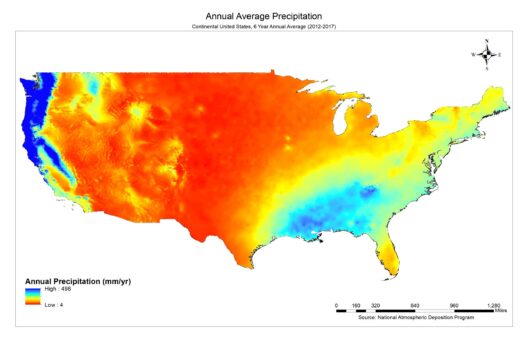
As temperatures rise and precipitation patterns become increasingly erratic, the likelihood of forest fires escalates. Dry spells and prolonged droughts create ideal conditions for fires to ignite and spread. The science behind this is straightforward; higher temperatures contribute to increased evaporation rates, thus desiccating soil and vegetation. Consequently, the ecosystem becomes a tinderbox, primed for combustion. The spurred frequency and intensity of fires is not merely a consequence of direct climactic alterations, but also indicative of broader environmental shifts.
Tropical ecosystems are particularly susceptible to the ravaging impacts of climate change. These regions harbor an extraordinary variety of flora and fauna, many of which depend on a stable environment for survival. The coupling of high humidity and temperature makes tropical forests typically resilient against fires; however, as global warming continues to intensify, these ecosystems are being forced to adapt to new realities. For instance, there have been documented instances where atypical weather patterns have led to the unusual occurrence of infernos in humid forest regions, a phenomenon previously considered improbable.
The biodiversity within these systems plays a pivotal role in mediating losses caused by events like forest fires. Trees have evolved intricate adaptations to withstand such threats, including thick bark and the ability to resprout after being scorched. Nevertheless, with escalating temperatures and increased frequency of fires, these adaptations may be insufficient to ensure survival. As a result, some species are being pushed to the brink of extinction, leading to a cascade of repercussions in ecosystem functionality.
Moreover, the interplay between deforestation and climate change cannot be overlooked. Human activities such as land clearing for agriculture and urban development not only increase the susceptibility of forests to wildfires but also diminish their ability to sequester carbon. The loss of forest cover translates to a decrease in the overall health of the ecosystem. The remaining patches of forest become isolated, limiting gene flow and ultimately reducing biodiversity. These fragmented habitats cannot withstand fires as effectively, creating a cyclical pattern of degradation.
Furthermore, trees within these ecosystems serve as critical components in regulating local climates. Through a process known as evapotranspiration, trees release moisture into the atmosphere, which contributes to precipitation patterns. However, when forests burn, this process is disrupted. Smoke and particulate matter released during fires alter atmospheric conditions, leading to further climatic anomalies. This intricate feedback loop illustrates the profound impact that forest fires have not only on local ecosystems but also on global climate dynamics.
The phenomenon of fire-adapted ecosystems must also be acknowledged. Certain forest types, particularly in the Mediterranean and seasonal tropics, have evolved alongside fire disturbances. These ecosystems have developed strategies to benefit from periodic burning, including serotinous cones that release seeds only after exposure to heat. However, the increasing severity and frequency of fires due to climate change threaten to undermine the delicate balance that has allowed these ecosystems to flourish. Ecosystems that once expertly managed fire are now grappling with an onslaught of unprecedented climatic events.
The impact of forest fires transcends ecological boundaries, interfacing directly with socio-economic factors. Communities that rely on forests for livelihoods—such as indigenous populations and rural farmers—face dire consequences as fires ravage their surroundings. The smoke from these fires also has far-reaching health implications, contributing to air quality deterioration even in distant urban centers. The socio-economic repercussions echo a fundamental truth: the health of forests and the health of human populations are inextricably linked.
Effective wildfire management strategies are necessary but often lack the foresight to address the root causes of the increasing intensity of fires. These strategies should encompass not only predictive modeling and early warning systems but also innovative approaches to forest conservation. Afforestation and reforestation efforts must be prioritized to bolster the resilience of affected ecosystems. Emphasizing sustainable land-use practices can mitigate deforestation and foster landscapes that are less susceptible to fire.
Education and awareness-raising initiatives play a crucial role in equipping both the public and policymakers with the knowledge required to confront this complex issue. Understanding the interplay between climate change and fire dynamics will enable communities to engage in responsible stewardship of their local environments. By fostering a collective sense of responsibility, society can work toward sustainable solutions that mitigate climate change’s impacts on forest ecosystems and global temperatures.
Ultimately, the increasing incidences of forest fires serve as a clarion call for immediate action. The intricate systems that govern tropical forests highlight the urgency of addressing the underlying factors contributing to climate change. The story of our planet’s forests is one of interdependence, resilience, and adaptability. A commitment to preserving these vital ecosystems holds the potential to combat climate change and enhance biodiversity, securing a sustainable future for generations to come.