


France, a veritable tapestry woven with contrasting climates, from the torrential raindrops of Paris to the effulgent rays caressing the Mediterranean shores, epitomizes the kaleidoscopic nature of weather patterns across its diverse landscape. Each region unfolds a unique narrative, painted by the brush of meteorological phenomena, cultivating an allure that has charmed millions. Understanding the nuances of France’s climate reveals not just data points; it unveils a story, one that speaks of agriculture, culture, and the soul of a nation.
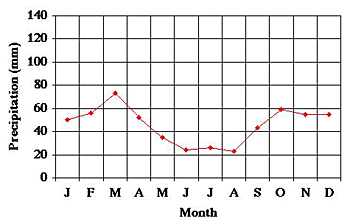
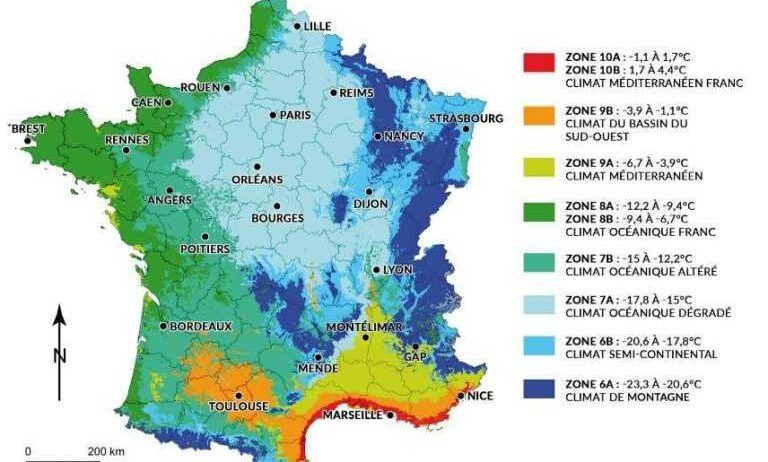
To commence this exploration, Paris, the fabled City of Lights, exemplifies the quintessential urban climate transition. With its temperate oceanic climate, characterized by relatively mild winters and warm summers punctuated by unpredictable rain, the city is akin to a well-worn novel—each shower a page turned, each sunny afternoon a chapter concluding. The dominant winds from the Atlantic, laden with moisture, frequently drench its streets, offering a support for the lush greenery that flowers under the iconic Eiffel Tower.
Consider the metaphor of Parisian rain: it serves as a gentle reminder of the city’s essence—a blend of chaos and romance. Just as the drops create transient echoes against cobblestones, they shape the character of the city, pooling in puddles that reflect the ennui of life and the vibrancy of art. Even as Parisians scurry beneath their umbrellas, the rain fosters an ambience that invites introspection, creativity, and a unique sense of community, drawing people closer as they seek shelter from the tempest.
Contrast this with the French Riviera, a shimmering jewel strung along the azure coast of the Mediterranean. Here, the climate shifts dramatically; the Mediterranean climate reigns supreme, characterized by hot, dry summers and mild, wet winters. In stark juxtaposition to the Parisian downpours, the Riviera basks in sunlight, with clear skies nurturing a landscape ripe with fragrant lavender fields and fruitful vineyards. The sun-drenched days stretch languorously, inviting leisurely pursuits—from lounging on the sandy beaches of Nice to sipping fine rosé with views of the sun setting over the Promenade des Anglais.
The charm of the Riviera parallels an artist’s palette where every hue radiates vibrancy. The region thrives under the relentless sun, a beacon for flora and fauna alike. Its diverse ecosystem, ranging from the Mediterranean maquis to the terraced vineyards of Provence, creates symphonic echoes of life, inviting exploration and admiration. The Mediterranean coast summons tourists not merely to bask in its warmth but to partake in an ethos of living—an ethos where nature’s temperature influences the tempo of life.
Transitioning from the radiant south to the rugged landscapes of the French Alps, one encounters yet another metamorphosis in the climate spectrum. The high-altitude terrain presents an audacious backdrop with its alpine climate, marked by harsh winters and cool summers. Here, snow-laden peaks and shimmering glaciers unfurl like a rugged tapestry, etching a stark contrast to the gentleness of the Riviera. The climate in the Alps does more than affect the weather; it shapes the lifestyle. Communities embrace winter sports, reveling in the spirit of camaraderie that can only blossom under a shared passion for the slopes.
The excitement of descending powder-laden runs on a crisp winter’s day illustrates the intertwining of climate and culture. Each snowfall brings a flurry of activities—skiing, snowboarding, and après-ski gatherings—all accompanied by the invigorating chill that refreshes both body and spirit. The mountains, with their imposing silhouettes, stand not merely as geographical features but as sentinels that guard traditions, livelihoods, and the very essence of alpine life.
As one traverses the rich breadth of France, it becomes evident that climate not only influences agriculture but also arts and cuisine, intricately entwining with the country’s heritage and identity. From the vineyards basking under the Indochina sun in Bordeaux to the crisp apples harvested in Normandy, regional climates dictate what can flourish and, subsequently, how communities touch and transform the bounty into culinary delights. The scents of fresh baguettes mingling with ripe cheeses tell tales of the land itself, offering a gastronomic journey that mirrors the complex tapestry of France’s climates.
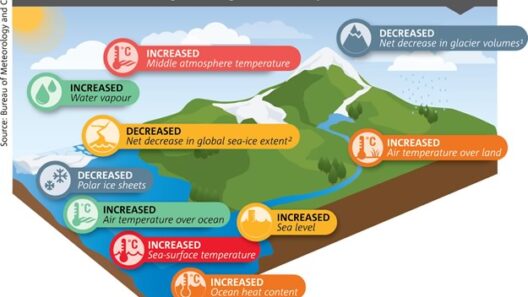
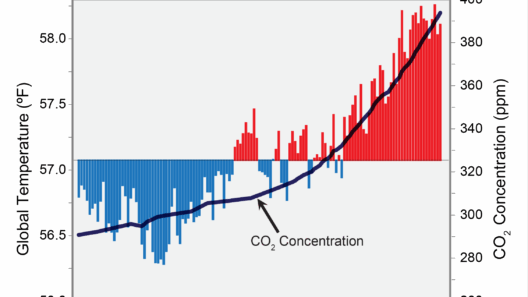
Critics may argue that climate change disrupts the traditional rhythms of these climatic cycles, casting uncertainty over agricultural yields and tourism. Indeed, the once-predictable seasons become ephemeral as anomalies like prolonged droughts or unseasonable frost disrupt the age-old dance between nature and human endeavor. Such fluctuations can become harbingers of economic ripples impacting not just local communities but the global stage. This is where France stands at a precipice, with opportunities arising to promote sustainable practices—ecosystems flourishing side by side with innovation.
In conclusion, France’s climate greatly embodies a dynamic interplay of contrasts—timeless and ephemeral, harsh yet gentle. From the poetic whispers of Parisian rain falling upon the monument-laden streets to the idyllic embrace of coastal sunshine on the Riviera, each climate serves as a canvas painted by both nature and human spirit. Climate shapes not merely environments, but the core of cultural identity, entwining the stories of the people with the land they inhabit. As storms test the resilience of communities, the sunshine inspires hope—a reminder that from the influences of weather emerges the collective story of France. Embracing this diversity offers a pathway not merely to resilience but to celebrating the very essence of what it means to thrive amidst the capriciousness of climate.