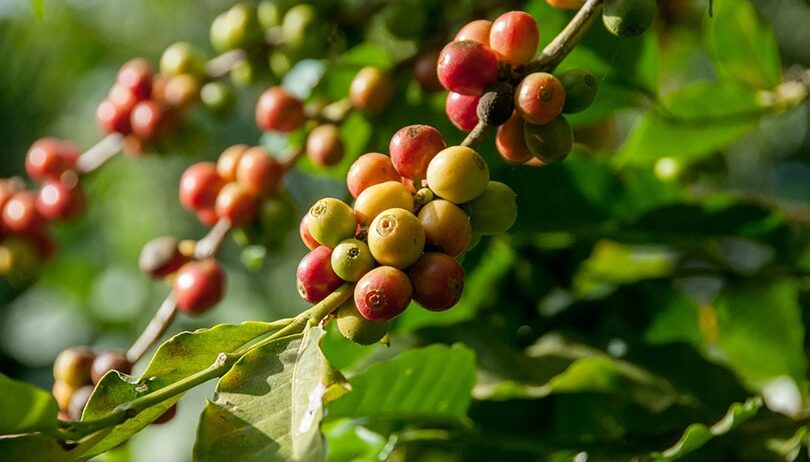

Coffee, with its rich aroma and invigorating capabilities, is not merely a beverage; it embodies a complex interplay between agricultural practices and environmental conditions. The journey from bean to brew is nuanced, requiring a specific climate for the cultivation of high-quality coffee beans. This exploration delves into the climate conducive to coffee growth, the environmental challenges it faces, and the implications of climate change on coffee cultivation.
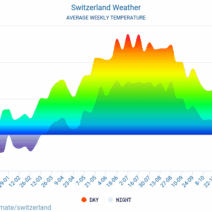
The ideal conditions for coffee cultivation can be characterized by specific climatic prerequisites. Most notably, coffee thrives best in regions that feature a tropical climate, which is typically defined by warm temperatures and significant rainfall throughout the year. Most coffee species, particularly Coffea arabica, require temperatures ranging from 60°F to 70°F (15°C to 24°C) to flourish. Exceeding these temperature thresholds can lead to detrimental effects on plant health, potentially stunting growth or reducing yield quality.
Altitude is another critical factor in the coffee-growing milieu. Coffee plants are most productive at altitudes between 2,000 and 6,000 feet (600 to 1,800 meters) above sea level. Higher elevations lead to cooler temperatures, which can foster a slower maturation of coffee cherries, allowing for more complex flavors to develop. The interaction of altitude, temperature, and shade creates a microclimate that supports the unique profiles of various coffee origins.
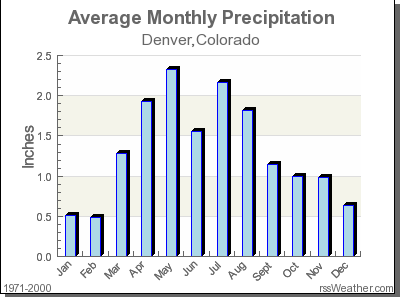
Rainfall, or precipitation, plays an equally significant role, acting as the life force for coffee plants. Optimal conditions typically require between 40 to 100 inches (1,000 to 2,500 millimeters) of rainfall annually, distributed evenly throughout the year. This consistency helps to maintain soil moisture, which is essential for proper root development. Coffee cultivation often coincides with distinct wet and dry seasons, allowing farmers to cultivate, harvest, and process their crops effectively.
Soil conditions also merit attention in this discussion. Rich, well-drained soils, typically volcanic in origin, provide the essential nutrients that coffee plants need. The interplay of soil pH, organic matter, and microbial activity contributes to nutrient availability, influencing the overall health of coffee plants. Moreover, these soil conditions can imbue the beans with distinctive flavor notes, adding to the coffee’s allure.
While the typical environment for coffee cultivation is primarily tropical, a notable phenomenon deserves recognition: the impact of climate change on traditional coffee-growing regions. The climate has shifted noticeably over the past few decades, posing substantial challenges to farmers and producers. Rising global temperatures have forced many coffee-growing regions to grapple with unfavorable conditions, including increased susceptibility to pests and diseases, erratic rainfall patterns, and soil degradation.
Studies indicate that a mere 1.5°C increase in global temperatures could reduce the potential coffee-growing areas by as much as 50% by the year 2050. This alarming trend emphasizes the urgency surrounding climate action. Farmers in regions such as Central America might soon find their high-altitude coffee farms becoming nonviable as warmer climates encroach upon traditionally suitable elevations.
Adverse environmental conditions are not merely theoretical concerns but translate into tangible consequences for coffee production. Increased rainfall intensity can lead to soil erosion, diminishing the land’s fertility and altering the delicate balance of the ecosystem. Conversely, droughts can severely restrict water availability, placing additional stress on coffee crops and making it increasingly difficult to sustain production levels.
The socio-economic ramifications of these environmental changes are profound. Coffee cultivation is not just an agricultural practice; it is the backbone of many economies in developing countries. Millions of smallholder farmers rely on coffee for their livelihoods. Thus, as climate change threatens the viability of coffee production, entire communities become vulnerable to economic instability and food insecurity.
Adaptive measures are imperative in this evolving landscape. Sustainable agricultural practices can enhance resilience against climatic shifts. Techniques such as agroforestry, which integrates coffee farming with tree planting, can mitigate some of the adverse effects of climate change. These systems not only conserve biodiversity but also help regulate temperature and moisture levels, creating a favorable microclimate for coffee crops.
Additionally, developing drought-resistant coffee varieties through selective breeding or biotechnological methods can bolster farmers’ defenses against climate variability. Investing in research and development that aims at understanding the adaptability of coffee plants to new environmental conditions becomes paramount as climate patterns continue to change.
Moreover, consumer awareness and action can play a role in mitigating the impact of climate change on coffee. Buying sustainably sourced coffee and supporting initiatives that promote environmental stewardship can create a ripple effect, encouraging more sustainable farming practices across the industry. Engaging consumers in conversations about climate change, coffee sourcing, and ethical consumption creates an informed buyer base, which can enhance demand for sustainably grown coffee.
Understanding the intricate relationship between climate and coffee cultivation stretches far beyond mere fascination; it encapsulates the broader narrative of climate interdependence. The journey from bean to brew reveals the underlying vulnerabilities of this cherished beverage. As climate change continues to reshape global ecosystems, the necessity for responsible practices, both in farming and consumption, becomes increasingly pressing. The vigilance of stakeholders at all levels is required to ensure that future generations can continue to savor the complex flavors and rich experiences associated with coffee.