


Climate change, a grave issue confronting humanity, is the harbinger of wild weather extremes. As global temperatures rise, the atmospheric dynamics that govern weather patterns are undergoing radical transformations. This leads to an alarming prevalence of extreme weather events, oscillating dramatically between droughts and deluges. Understanding the nexus between global warming and these weather fluctuations is crucial for devising effective mitigation strategies.
In essence, the concept of climate change encapsulates the long-term alteration of temperature and typical weather patterns in a place. While the planet has naturally undergone climatic shifts throughout geological time scales, recent anthropogenic influences have catalyzed an unprecedented rate of change. Our emissions of greenhouse gases, predominantly carbon dioxide from fossil fuel combustion, have exacerbated the greenhouse effect, trapping additional heat in the Earth’s atmosphere.
Commencing with droughts, these periods of protracted dry conditions are not merely an inconvenience; they pose profound risks to agriculture, water supply, and ecosystems. Regions historically considered temperate are witnessing shifts in precipitation patterns. For instance, areas such as the western United States increasingly experience multi-year droughts, leading to significant agricultural losses. The interplay of elevated temperatures due to climate change intensifies evaporation rates, thereby depleting surface water indices far more rapidly than recharging aquifers can compensate for.
Conversely, the correspondence between drought and deluge may seem paradoxical, yet this phenomenon elucidates a broader narrative. Regions affected by drought may eventually succumb to torrential rainfall. The increasing capacity of the atmosphere to hold moisture, estimated to rise by approximately 7% for every 1°C increase in temperature, underscores the potential for extreme precipitation events. When moisture-laden atmospheres collide with cold fronts or other climatic events, the result can be catastrophic flooding, as seen in numerous flash flood scenarios around the globe.
This duality in weather extremes engenders a litany of challenges. Communities are caught in a ping-pong of weather instability. Prolonged droughts diminish food security, while subsequent deluges can obliterate crops and disrupt transportation networks. Additionally, the economic ramifications are staggering. Agriculture—particularly in developing nations—suffers tremendously as the cost of mitigating strategies rises, instigating a vicious cycle of poverty and resource depletion. As climate variability continues to intensify, attention must focus on how best to adapt our agricultural methodologies to create resilience against shifting weather patterns.
Given the concrete instability wrought by this meteorological oscillation, scientists and policymakers advocate for the implementation of climate adaptation strategies. These include developing drought-resistant crops, enhancing water conservation techniques, and investing in infrastructure capable of managing stormwater effectively. Integrated water resource management, which concurrently considers both the water supply and flood management, is imperative for sustainable development.
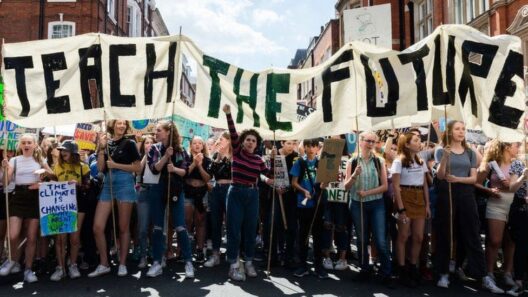
Besides agricultural and infrastructural adaptations, public awareness and education play pivotal roles. Communities should be aware of the clear link between climate change and extreme weather events. Stakeholders at all levels—government agencies, non-profit organizations, and individual citizens—must engage in dialogue around climate resilience. Public engagement through educational initiatives can empower communities to take proactive measures in addressing the ramifications of climate variability.
Furthermore, the socio-political ramifications can never be understated. Climate-related disasters exacerbate existing inequalities, often leaving marginalized communities disproportionately affected. Access to resources, land, and adaptive measures is often hampered by social stratifications. The climate crisis thus acts as a magnifying glass, illuminating disparities in wealth, power, and access to information. Understanding climate change through the lens of equity is essential to mobilizing an inclusive response, ensuring that all community voices are heard in the conversations about resilience and adaptation.
While the notion of transitioning from drought to deluge is alarming, it is essential to remember that the trajectory of climate change is not predetermined. Collective action toward mitigating greenhouse gas emissions is paramount. Transitioning from fossil fuels to renewable energy sources, enhancing energy efficiency, and developing carbon capture technologies are indispensable components of reducing the atmospheric concentrations of greenhouse gases. Such actions necessitate not only governmental policy shifts but also commitment and advocacy from private sectors and individuals alike.
Moreover, international cooperation is critical in addressing a global crisis that affects every corner of the Earth. Climate agreements, such as the Paris Accord, underscore the necessity of a united front in combatting this evolving threat. Countries must prioritize not only their own national interests but also global sustainability goals, recognizing that the repercussions of climate change transcend borders and affect shared resources like the atmosphere and oceans.
As the world continues to grapple with the severe impacts of climate change, the patterns of wild weather movements—spiraling from drought to deluge—will only become more pronounced. Adaptation and mitigation are essential tools in the ongoing battle against this existential threat. Comprehending the complex interplay between climate change and weather extremes is critical for fostering resilience, diminishing vulnerability, and striving towards a sustainable future. In this pursuit, the collective responsibility of not just governments, but every single individual, becomes paramount. A unified, informed, and proactive society can pave the way for a more stable environment in the face of climatic upheaval.